 EN
EN



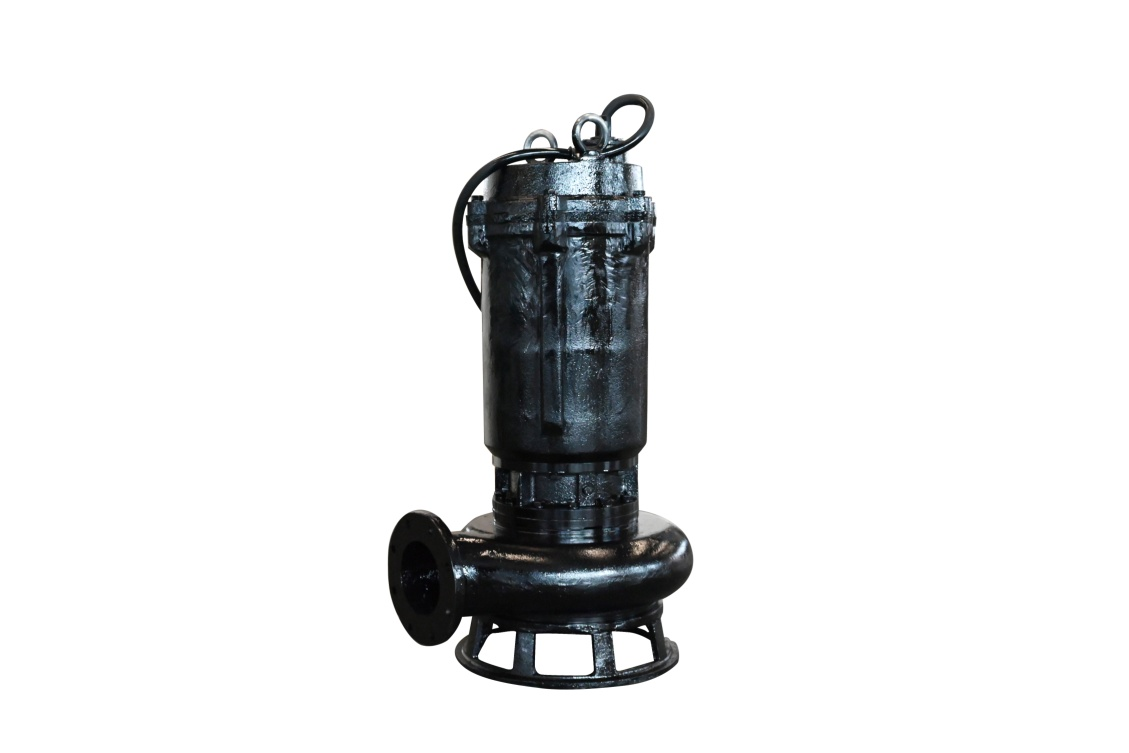
The Mechanics of Heavy Waste Handling in Submersible Sewage Pumps
Impeller Technology and Solid-Cutting Capabilities
How the impeller is designed in submersible sewage pumps really matters when dealing with heavy waste loads. These impellers work as the main parts that move waste through the system using centrifugal force. Modern impeller designs can tackle all sorts of solid waste sizes and materials, which helps keep things flowing without getting stuck. Pumps with these newer impellers run better overall and can push through thicker stuff too. Industry data shows that pumps featuring this kind of impeller tech actually handle solids much better, cutting down on stoppages and repair bills. For places like city sewer systems and factories where waste comes in many different forms, being able to break down and process solids properly just makes sense for keeping operations running smoothly day after day.
Motor Power and Torque Requirements
How much power a motor has makes all the difference when it comes to moving solid waste through sewage systems. Simply put, pumps with higher power ratings generate more force to push those stubborn solids along pipelines, which cuts down on clogs and backups. Torque matters too for dealing with thick waste materials. It keeps things moving consistently without putting too much stress on the pump parts. Industry professionals often emphasize finding the sweet spot between motor power and torque levels depending on what kind of waste needs handling. Facilities that deal with regular heavy loads benefit most from this balance. Pumps configured properly last longer and run smoother over time, meaning fewer unexpected breakdowns during critical operations when maintenance crews are already stretched thin.
Construction Materials for Abrasion Resistance
What materials go into building submersible pumps really matters when it comes to how long they last, especially around all that gritty waste stuff. Most manufacturers stick with cast iron, stainless steel or those tough high chrome alloys because they just don't wear down as fast and hold up against rust better than cheaper alternatives. Newer materials on the market have actually made these pumps last longer too. Some field tests showed maintenance crews spending way less time fixing them and companies saving money overall when they invested in quality materials upfront. Practical experience backs this up too. Pumps built with proper materials keep running smoothly even in tough spots like sewage systems or chemical plants where regular equipment would break down within weeks. Getting the materials right means fewer breakdowns, less downtime, and ultimately lower repair bills down the road.
Types of Submersible Pumps Optimized for Solid-Laden Waste
Grinder Pumps vs. Non-Clog Vortex Pumps
For dealing with waste that contains solids, there are basically two kinds of submersible pumps worth considering: grinders and vortex models. Grinder pumps work best when the waste needs breaking down into smaller pieces so it doesn't cause problems further along the system. The blades inside these units chop up the material until it becomes a sort of slurry that flows easily through pipes even if they're pretty narrow. Vortex pumps take a different approach altogether. They have this open design that lets solid stuff pass through without getting cut up at all. This means less damage to internal parts over time, which makes them great for situations where the fluid contains various sized solids. Industry experience shows that grinders handle fibrous materials particularly well, whereas vortex pumps tend to last longer in applications where keeping things unclogged and minimizing maintenance downtime matters most.
High-Capacity Industrial Models for Municipal Use
Big capacity industrial pumps are absolutely essential for managing sewage in cities across the country. These machines can move massive amounts of waste through the system, which is why they're so critical to urban infrastructure projects. Most models come built tough enough to run nonstop even when pushed hard day after day. The best ones include things like energy saving motors and improved hydraulic components that help push waste through those long underground pipes without clogging up. Cities that switched to these upgraded pumps report better overall performance plus way fewer breakdowns during routine maintenance checks. For anyone dealing with big scale waste problems, investing in quality high capacity pumps makes all the difference between smooth operations and constant headaches down the line.
Compact Designs for Residential Septic Systems
Space limitations in homes mean compact sewage pumps are pretty much essential nowadays. They fit into tight spots but still get the job done when it comes to managing household waste. What makes them work so well is how they manage to pack enough power into such a small package without needing big bulky parts everywhere. Homeowners love that these pumps don't take up much room either. Most people find them straightforward to install themselves, and once set up, they rarely need attention. Many folks who have used them report that these little machines just keep going year after year with hardly any problems at all. For anyone dealing with septic systems in limited spaces, getting one of these compact models really does solve multiple issues at once.
Real-World Applications: From Septic Tanks to Municipal Systems
Handling Raw Sewage in Urban Wastewater Plants
Dealing with raw sewage is no small task in cities where populations pack together so densely. The sheer amount of waste flowing through these systems creates all sorts of problems for municipal authorities. That's where submersible pumps come into play. These devices sit right down in the muck and grime, doing their job without getting bogged down literally. They keep things moving along smoothly even when faced with massive amounts of waste coming in at once. Cities that have installed modern pumping systems report better performance across the board. Some污水处理 plants have seen their output jump while spending less time stuck waiting for backups to clear. Overall, these pumps help ensure city sewers stay clean enough to meet regulations and prevent those nasty overflows that nobody wants to deal with during rainstorms.
Agricultural and Industrial Waste Management
Submersible pumps play a key role in handling waste from farms and factories where there's often a lot of solid material mixed in. More companies are looking for pumps that can tackle this kind of thick, messy waste as they try to find dependable ways to manage their waste streams. Take dairy farms for instance, they constantly have to move manure and other thick substances through their systems. Industrial plants run into similar problems with all sorts of sludge and leftover materials after processing. We've seen plenty of actual installations where these submersible pumps keep operations running smoothly even when dealing with really dense waste mixtures. The pumps just keep going without clogging up, which means less downtime and fewer headaches for maintenance crews trying to clear blockages.
Flood Control in Basements and Sump Pump Installations
Submersible pumps play a really important role in controlling floods, especially in those basements where water tends to collect. Installing sump pumps helps stop water from building up and causing damage through proper drainage. Getting these pumps set up right matters a lot for them to work properly. The way the discharge lines are arranged and regular checks to make sure everything runs smoothly are part of good installation practice. A properly installed sump pump system makes a big difference in reducing flood risks. Looking at actual data from flood-prone areas shows that homes with working sump pumps tend to have far fewer basement flooding problems than those without them. This just goes to show how much of a difference proper installation can make when it comes to protecting property from water damage.
Conclusion
Submersible pumps are really useful in all sorts of situations. They're essential for managing wastewater in cities, dealing with waste in farms and factories, and even controlling floods around homes. What makes these pumps stand out is their tough build and ability to work in different conditions. Many people choose them because they handle waste filled with solids without breaking down and keep working reliably over time. With more people moving into cities and farming needs increasing, submersible pumps remain important for keeping our environment clean and protecting buildings from water damage. Cities especially depend on them to prevent backups during heavy rains or storms when regular systems might fail.
Ensuring Reliability: Maintenance and Operational Considerations
Routine Cleaning and Debris Prevention Strategies
Keeping submersible pumps running reliably over time really depends on sticking to a good maintenance routine. When we catch small problems before they become big ones, we save money on repairs and keep our pumps performing at their best. One thing worth focusing on? Keeping those pesky bits of debris out of the system. Most folks install strainers or screens because nothing clogs up a pump faster than dirt and grit getting stuck inside. Industry data shows that pumps maintained regularly last much longer than neglected ones. For most installations, weekly cleaning of intake screens works wonders, while monthly checks of motor parts and other components help spot wear and tear before it becomes a problem. Some operators even swear by quarterly deep cleans for maximum efficiency.
Monitoring Wear on Critical Components
Submersible pumps have several important parts that need checking from time to time so they don't break down when least expected. The main ones we worry about are usually bearings, seals, and those spinning impeller things.这些东西 tends to get worn down after years of dealing with all sorts of garbage and stuff floating around in the water. Catching problems early makes a big difference in how well the whole system runs. If someone actually looks at these components regularly and replaces them before they fail completely, it saves tons of headaches later on. According to some industry numbers, pumps that get proper attention last roughly 30% longer than those left alone to rot. That's why smart operators schedule regular inspections instead of waiting for something to go wrong.
Addressing Common Challenges in Heavy Waste Operations
Dealing with heavy waste materials in industrial settings brings a whole set of headaches for plant operators. The pumps used in these situations get clogged all the time because there's so much solid matter mixed into the waste stream. This constant battle against blockages wears down equipment quickly. Pump makers keep coming up with better designs though. They've developed things like stronger impellers and special features that help prevent clogs from forming in the first place. Take sewage pumps as an example. Recent improvements mean some models now handle much thicker sludge without breaking down as frequently as older versions did. Industry professionals point out that getting these upgraded pumps installed makes a big difference in day-to-day operations. Plants run smoother overall when their pumping systems don't shut down every few weeks for maintenance.