 EN
EN



Assess Your Farm's Water Needs
Identify Water Source Characteristics
Knowing what kind of water we have access to matters a lot when planning farm irrigation systems. Farmers need to look at nearby water sources first rivers, lakes maybe even underground water reserves. This helps figure out just how much water they actually have available for crops. Water quality is another big deal too. Salty water, dirt particles floating around, or other contaminants in the water can really hurt crop growth over time. The USDA NRCS folks have found that salty water especially tends to cut down on plant productivity, so checking all these things makes sense before setting up any system. Looking at how water availability changes throughout seasons and checking past records about rainfall patterns helps determine if there will be enough water coming through consistently without running dry during critical growing periods.
Calculate Crop Water Requirements
Getting crop water requirements right is key to good irrigation management. The process starts by looking at what different crops need during their various growth phases so farmers can plan properly. Take it from experience most plants drink more water when they're growing leaves and stems compared to when they start producing flowers or fruit. Local weather information helps figure out how much moisture actually evaporates from both soil and plants each day. Creating a basic water budget allows growers to keep track of available resources versus what crops demand, making it possible to adjust watering schedules as needed. This approach not only saves water but also keeps plants healthier overall, though it does take some trial and error to get everything balanced just right.
Determine Irrigation System Type
Selecting an appropriate irrigation system requires looking at multiple important considerations. Start by evaluating different types such as drip, sprinkler, or surface irrigation based on what kind of crops need watering and how fields are laid out. Drip irrigation tends to perform well for plants like tomatoes or grapes where water conservation matters most, whereas sprinklers might make sense for bigger fields with relatively flat terrain. When comparing systems, think about upfront expenses versus day-to-day running costs too. Labor requirements and regular maintenance will affect overall spending over time. Connecting new irrigation setups with whatever infrastructure already exists makes financial sense. Doing so cuts down on what needs to be purchased anew while making better use of what's already there. Many farmers find this approach pays off in both reduced expenses and improved performance down the road.
Types of Agricultural Water Pumps
Centrifugal Pumps for Surface Water
Centrifugal pumps work by turning rotational motion into the energy needed to push water around, basically spinning it outwards through centrifugal force. Farmers love these pumps because they handle huge amounts of surface water so well, which makes them super useful on farms. The good news is they don't break down much and need very little upkeep compared to other systems. That's why many growers use them for things like flooding fields during irrigation season or getting water spread across big tracts of farmland. Take rice paddies for example these days most operations rely on centrifugal pumps to bring in water from nearby rivers or reservoirs and distribute it evenly across their fields without constant monitoring.
Submersible Pumps for Deep Wells
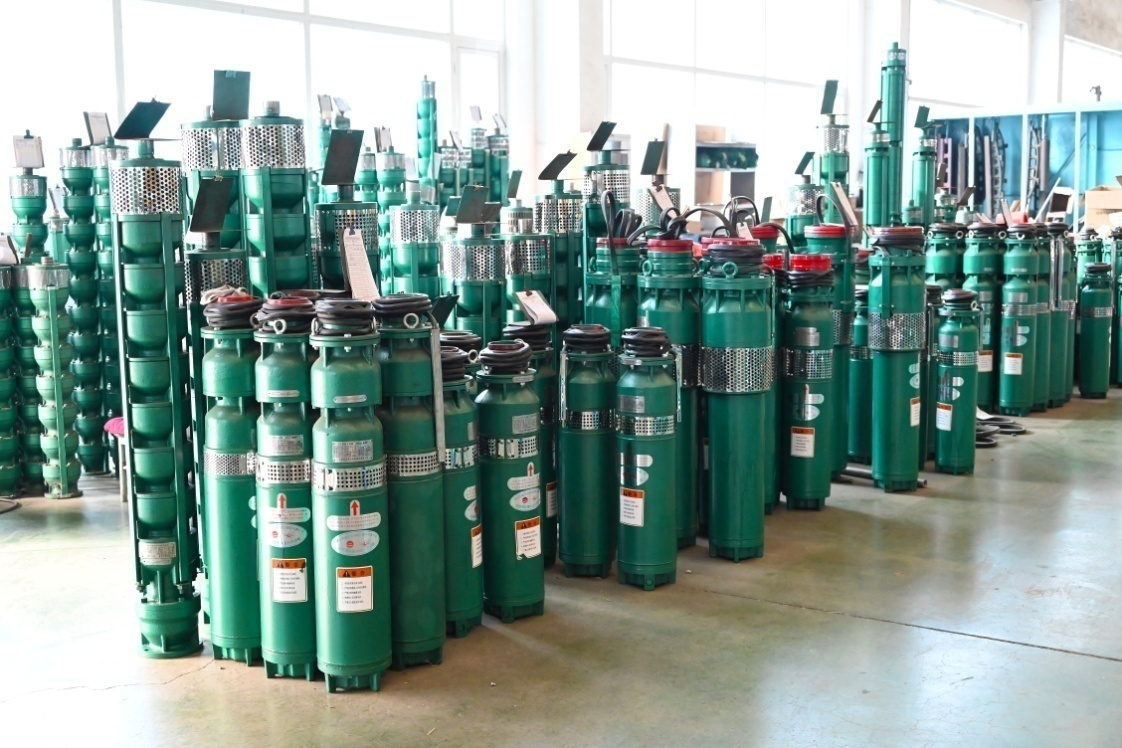
Submersible pumps work best when completely underwater, which makes them great for pulling groundwater out of those deep wells we see around farms and rural areas. These pumps actually use less power than regular surface pumps because their design lets them move water more efficiently. Plus, being submerged right in the water source helps keep things clean since there's no chance of air getting into the system. When installing one of these bad boys, folks need to think about how deep they're going to put it down there. Getting the right size matters too if the well doesn't want to end up short on water during peak usage times. Most experienced installers will tell anyone listening that matching pump capacity with actual water demand is what keeps everything running smoothly without wasting electricity.
Solar-Powered Pump Solutions
Solar pumps offer farmers a greener way to water their crops while cutting down on fuel expenses and monthly bills. The technology works by capturing sunlight through panels which then powers the pump mechanism. Farmers across arid regions have seen real benefits from switching to these systems, with some reporting savings of hundreds of dollars each month on electricity alone. Still worth noting though, proper setup matters a lot. A farmer needs to check how much sun hits their field throughout the year and calculate what size system will actually handle their watering needs without falling short during dry spells.
Self-Priming Pumps for Variable Conditions
Self priming pumps work by removing air on their own so water can start flowing without manual help, which means they handle pretty much any environment thrown at them. Farmers find them especially useful when drawing water from all sorts of places like nearby streams or muddy ponds during rainy season. What sets these apart is how well they cope when water levels change throughout the day or week. But don't think they'll last forever without some TLC. A good cleaning schedule and checking those parts that wear down over time keeps them running smoothly through summer droughts and winter floods alike. Proper care ensures crops get enough water no matter what Mother Nature throws our way.
Key Features to Consider
Flow Rate vs. Pressure Requirements
Getting the hang of flow rate versus pressure matters a lot when picking out pumps for farm irrigation. Flow rate basically tells us how much water moves through per minute, while pressure indicates how hard the water pushes against whatever it hits. Farmers deal with all sorts of different situations in their fields, so what works for one crop won't necessarily suit another. Take lettuce plants for example they often need good coverage across wide areas, hence needing higher flow rates. On the flip side, those drip lines used around fruit trees typically call for stronger pressure to get moisture down deeper into the dirt where roots actually grow. Agricultural engineers have been looking at this stuff for years now, and most agree matching pump specs to what each particular crop demands really boosts overall system performance without wasting resources unnecessarily.
Energy Efficiency & Power Sources
Getting better energy efficiency matters a lot when running those big agricultural pumps because it saves money over time. Most farmers have options between electric, solar, and diesel power for their pumping needs, and each comes with different pros and cons depending on what works best for them. Electric pumps tend to be pretty reliable around farms, which makes sense why many stick with them. Solar powered ones are becoming popular too, particularly down south where there's plenty of sunshine all year round. These cut down on fossil fuel reliance without needing constant maintenance checks. For folks out west or in really remote spots where electricity lines don't reach, diesel still makes sense despite higher fuel costs. Picking the right kind of power isn't just about saving cash at the end of month though. It affects how green operations actually run, so thinking through these choices helps manage resources wisely in the long haul.
Durability for Harsh Environments
Picking out a tough pump matters a lot when it comes to keeping things running smoothly through rough weather. Farm equipment needs to handle whatever nature throws at it from freezing winters to blistering summers across all those different growing zones. Farmers should check what kind of material goes into making these pumps. Look for stuff that resists rust and has solid build quality meant for field work. When pumps break down because they couldn't stand up to bad weather, entire fields suffer. Water systems get disrupted and crops take a hit. That's why investing in sturdier designs pays off big time. Good quality pumps mean fewer breakdowns during critical seasons and better water management overall, something every farmer knows is worth their while.
Maintenance & Long-Term Considerations
Regular Performance Checks
Keeping an eye on how well agricultural pumps perform is really important if farmers want them to keep running efficiently over time. When folks check things like water flow and pressure levels on a regular basis, they spot potential issues long before those problems start messing with crop irrigation. Most experienced technicians suggest doing a quick monthly inspection of critical components looking for any signs of wear or loose fittings that might be causing leaks. Farmers should pay attention to odd sounds coming from the pump or when it just doesn't seem to deliver water as strongly as usual these are red flags that something needs fixing sooner rather than later. Sticking with this routine maintenance habit extends the lifespan of expensive equipment while making sure fields get reliable water supply throughout growing seasons.
Preventing Sediment Damage
When sediment and dirt get into pumps, they really mess with how well everything works, sometimes causing the whole thing to slow down or even stop working completely. Keeping things clean regularly and putting in good quality filters makes all the difference. Filters act as a barrier, catching those pesky particles before they can clog up the works inside the pump housing. Farmers know this all too well from experience. Studies looking at farms across different regions found that fixing damage caused by dirt buildup costs thousands in repairs each year plus lost time when equipment isn't running. So while nobody likes extra maintenance work, spending a little time on prevention now saves headaches later on, especially during critical growing seasons when water needs are at their peak.
Winterization & Storage Tips
Getting pumps ready for winter is really important if we want to prevent them from freezing up or getting damaged when temperatures drop. Start off by making sure every last drop of water is drained out of the pump system. Any parts that can be taken off should go inside somewhere warm until spring comes around again. After everything's dry, pour some good quality antifreeze into all those spots where water would normally sit. Storing the whole thing somewhere dry away from frost makes a big difference too. People who take these steps usually find they spend way less money fixing broken pumps later on, plus their equipment lasts much longer than those who skip this prep work. Most folks agree that spending a few hours now saves headaches come springtime when things need to start working properly again.