 EN
EN



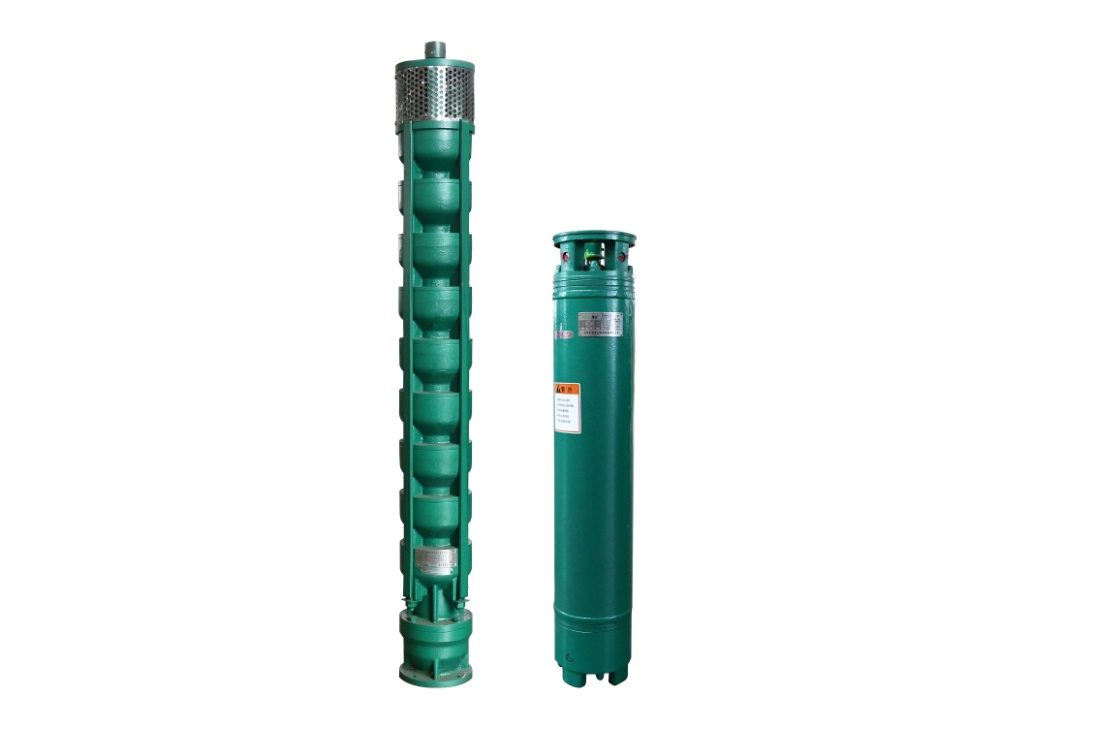
Addressing Critical Water Needs in Remote Rural Areas
Overcoming Depleting Groundwater Resources
Groundwater levels are dropping fast, and this problem hits hardest in rural communities that depend so much on these hidden water sources. The numbers tell a troubling story worldwide, which means we really need better ways to manage our underground water supplies. Two approaches have shown promise in fighting this issue: collecting rainwater when it falls and refilling aquifers through special techniques. Rainwater harvesting systems gather stormwater runoff and store it for later use, cutting down how much people draw from their wells. Aquifer recharge works differently but just as important it pumps treated water back into the ground to replenish what's been lost over time. Getting local folks educated about these options makes all the difference. When communities understand why preserving groundwater matters, they tend to support and participate in conservation efforts. This kind of grassroots awareness builds lasting protection against continued water loss.
Solar-Powered Pumps for Sustainable Access
Putting solar tech together with deep well water pumps gives rural areas a greener way to handle their water problems. These solar powered pumps run off clean energy from the sun, which helps protect the environment and makes getting water much easier for people living far from cities. When we look at regular pumping systems versus these solar ones, farmers save money because they don't need as much fuel or electricity from outside sources. The cost difference adds up over time, and it fits right in with what's happening across farming today where more folks are turning to renewables. We're starting to see villages switch to solar power for their water needs, and this change matters a lot. It creates better conditions for long term growth without putting extra strain on old fashioned power grids that many remote places still depend on.
Protecting Communities from Contaminated Water Sources
People living near polluted water sources face serious health risks that demand action before problems get worse. When water gets contaminated, it often causes stomach problems and other illnesses, something researchers have documented through their work on disease-causing organisms in water. Keeping water safe requires thorough checks and proper treatment methods like filtering out impurities and adding chemicals to kill harmful bacteria. We've seen real world examples where communities came together to make a difference. In some villages, locals started testing their own water regularly and worked with experts to install better purification systems. These grassroots approaches have proven particularly effective in remote regions where resources are limited. By taking these steps, towns and neighborhoods can protect residents from dangerous contaminants and provide everyone with access to drinking water they can trust.
Boosting Agricultural Efficiency and Food Security
High-Capacity Irrigation for Crop Reliability
Big irrigation systems play a vital role in keeping crops reliable and increasing what farmers get from their land. Research from the Food and Agriculture Organization shows that when farms use good irrigation methods, they often see about a 20% boost in harvests. The main job of these systems is to get water to plants regularly and in enough quantity so they can grow well even when weather conditions aren't great. Farmers have several options available today for watering their fields. Drip irrigation works really well for certain types of crops, while traditional sprinklers might be better suited for others depending on soil type and local climate factors. When neighboring farmers work together too, things improve even more. Sharing access to shared water sources or pooling equipment costs makes sense economically and helps build stronger farming communities overall.
Cost-Effective Operation With Energy-Efficient Models
Switching over to those newer water pumps that save energy can really cut down on expenses for farmers in the long run. The thing is, these pumps just don't eat up as much electricity as older models do, which means lower bills at the end of each month. And guess what? A bunch of government agencies actually have programs to give farmers a hand with making this switch. Take the USDA for instance they've got grant money available specifically for folks wanting to go green with their farming methods. When we talk about why this matters beyond pocketbook stuff, there's also the environmental angle. Less energy used means fewer emissions floating around from farm operations, and that helps keep our planet healthier overall while still getting crops grown.
Success Stories: Agricultural Transformation Case Studies
Many farmers around the world have seen their lives change when better irrigation methods come into play. Take Kenya for example. When local farmers started using submersible water pumps, their crops actually grew about 40% more than before. With bigger harvests came more money in pockets, which then got spent on things like school fees and medicine for families. What really makes these projects work? Good quality equipment that doesn't break down every week, plus everyone in the village getting involved together rather than just outsiders bringing in solutions. The numbers tell the story pretty clearly too. More food grown means more cash earned, and those kinds of results are what other farming communities look at when they want to improve their own situation without waiting forever for government help.
Economic Viability and Long-Term Rural Development
Reducing Infrastructure Costs Through Self-Sufficiency
When rural areas develop their own water solutions, they actually save money in the long run because they don't have to rely so much on outside water suppliers. Using stuff already available locally cuts down on how much it costs to build these systems from scratch. Take some villages in India where people set up their own water supply networks. They managed to cut what they spent on buying water by around 30%, which helped stabilize the local economy quite a bit. The best part? These setups work with whatever land features exist nearby and depend on neighbors helping each other out rather than big corporations. This approach creates something that lasts longer than temporary fixes while keeping everyone involved in the process.
Government Subsidies and Pump Adoption Programs
When it comes to getting water pumps into rural areas, government money makes all the difference. Financial help from the state really pushes farmers toward better irrigation setups. Take the Philippines for instance where folks can get backed loans specifically for buying those self priming water pumps we talk about so much. Since they started doing this, crop yields just shot up across the board. What's interesting though is how these initiatives usually come with workshops teaching sustainable farming methods alongside the equipment purchase. Farmers learn not only how to maintain their new gear but also ways to protect soil health and conserve water resources over time. This combination of hardware upgrades plus education creates lasting improvements in village economies without burning through resources needlessly.
Ensuring Durability With Proper Maintenance Practices
Keeping water pumps and irrigation systems well maintained makes all the difference when it comes to how long they last and how efficiently they work. Setting up a regular maintenance routine helps avoid those frustrating surprise breakdowns that nobody wants, plus it keeps equipment running longer than expected. What do we actually need to do? Check out those pump parts regularly, make sure filters stay clean, and don't forget to lubricate anything that moves. The numbers back this up too someone did some research showing proper care can double a pump's useful life, which obviously saves money over time. Dr. Smith at the Irrigation Institute puts it simply enough, saying that sticking with routine inspections and fixing small issues before they become big problems isn't just good practice, it's essential if farmers want their operations to be sustainable in the future.