 EN
EN



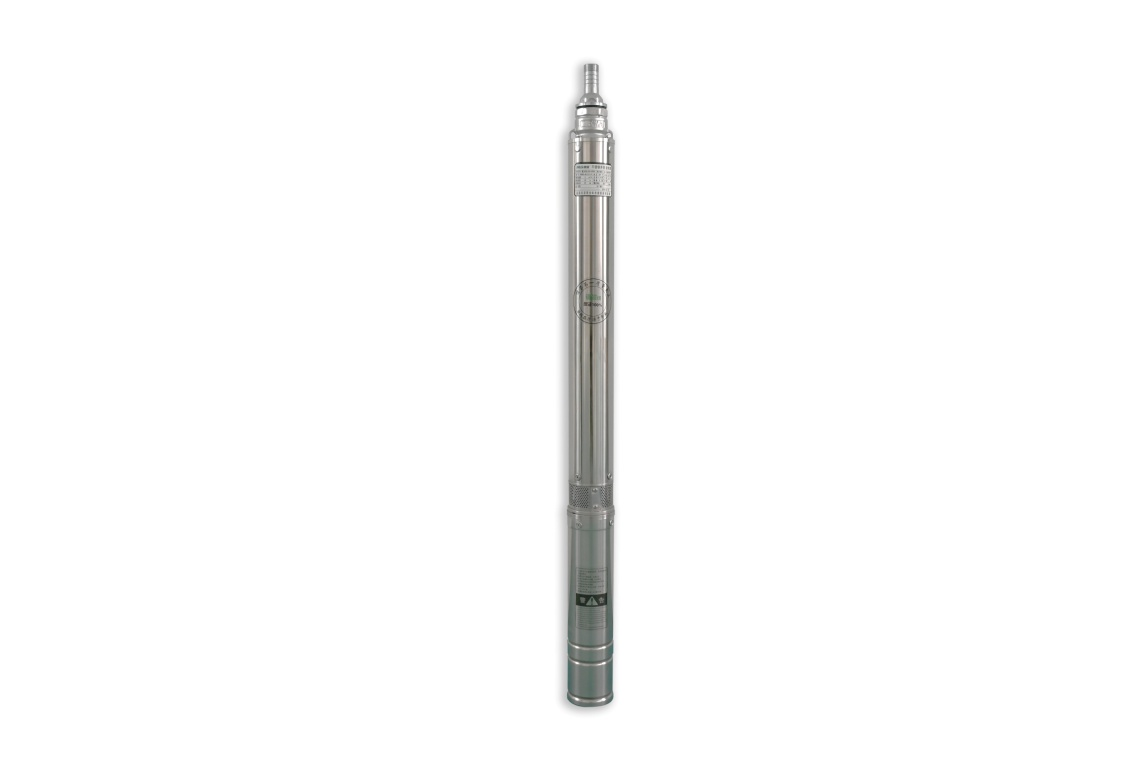
Corrosion Resistance in Harsh Environments
Stainless Steel vs Cast Iron: Chemical Compatibility
When it comes to resisting corrosion, stainless steel really stands out against cast iron, especially where there are lots of acids and alkalis around. What makes stainless steel so tough in these rough conditions? Well, basically, the way it interacts chemically with its surroundings means it doesn't break down as quickly as other metals would over time. For anyone working with sewage systems, how long parts last matters a lot. That's why most plumbers and engineers reach for stainless steel pumps when they need something that won't rust away after just a few months underground. Real world data from wastewater treatment plants shows stainless steel parts fail much less often than their cast iron counterparts in corrosive settings. This has made stainless steel pretty much standard equipment wherever people want pump systems that actually last through years of constant exposure to harsh chemicals.
Applications in Septic Tank and Sewage Systems
Stainless steel submersible pumps work really well in septic tank applications because they can handle the tough sludge conditions found there. They stand up to both the abrasiveness and corrosion from sewage while running more efficiently than other options. Many municipalities have installed these pumps successfully across different types of sewage systems, and operators report seeing noticeable drops in maintenance expenses over time. Industry professionals generally agree on their effectiveness since they need very little upkeep and tend to keep working reliably even after years of service. The efficiency saves money in the long run for facilities dealing with complicated sewage issues, though some smaller operations might find the initial investment a bit steep compared to cheaper alternatives.
Enhanced Durability and Longevity
Abrasion Resistance for Sand-Laden Fluids
Stainless steel stands out because it resists abrasion so well, especially important when working with fluids loaded with sand. This matters a lot since sand and grit will wear down equipment over time, hurting both how well pumps work and how long they last before needing replacement. Take electric submersible pumps for example researchers looked at these systems and found that more solid particles in the fluid meant shorter pump life and worse performance overall. Switching to stainless steel components means less downtime for repairs and fewer times technicians have to climb into wells to fix things, keeping operations running smoothly year after year. Tests comparing different materials consistently point to stainless steel lasting much longer under harsh conditions, which explains why many oil and gas companies specify it whenever there's going to be contact with abrasive substances.
Reduced Wear in Well Pump Operations
Stainless steel really cuts down on wear during well pump operations because it just holds up better than most other materials out there. The maintenance costs drop quite a bit when using these pumps over time. For folks running systems that need pumps working nonstop day after day, this makes all the difference. Studies have shown that stainless steel well pumps tend to last much longer than ones made from different materials. What makes stainless steel so good? It has natural strength plus it doesn't get worn down easily by gritty stuff in the water. Even when pressure builds up constantly, these pumps keep performing at decent levels. And let's face it, longer lasting equipment means fewer headaches for operators who would otherwise spend money on replacements and fixes all the time.
Superior Performance in Extreme Conditions
High-Pressure Capabilities for Deep Wells
Stainless steel submersible pumps pack serious pressure handling power, making them great choices for deep well installations where regular pumps simply won't cut it. Built to tackle those tough jobs down below ground level, these pumps keep pulling water out efficiently even when things get really rough underground. What sets stainless steel apart is how it stands up against intense pressure situations. Most standard submersibles start struggling around 50-60 psi, but good quality stainless models can handle over 100 psi without breaking a sweat. That kind of strength matters a lot in deep well operations where failure isn't an option. The heavy duty build doesn't just mean better performance though. It translates into longer service life too, which saves money over time. When companies need reliable water extraction from depths where ordinary equipment fails, investing in stainless steel makes all the difference between smooth operation and constant repairs.
Temperature Tolerance in Industrial Settings
Stainless steel pumps really stand out when it comes to handling tough industrial environments because they can take on some serious heat. Regular pumps just don't cut it in these situations since they tend to break down when things get too hot. Stainless steel versions work across much wider temperature ranges which means they last longer and keep running smoothly even when temps spike. Take the oil and gas industry for instance where equipment constantly faces blistering conditions. We've seen stainless steel pumps handle temperatures well past 150°C without missing a beat. Actual field reports back this up too many plants have switched to them after struggling with other materials failing under pressure. When looking at what makes a good industrial pump, the fact that stainless steel holds up so well against heat while still being versatile enough for different applications definitely puts it ahead of the competition.
Energy Efficiency and Cost Savings
Optimized Motor Design for Submersible Water Pumps
Stainless steel submersible water pumps with their improved motor designs really boost energy efficiency when compared to older models on the market today. Many of these newer pumps come equipped with something called variable frequency drives, or VFDs for short. What makes them so good is how they adjust the motor speed based on what's actually needed at any given moment, cutting down on wasted power and saving money over time. Some tests show that VFDs can cut energy usage almost in half sometimes, which means big savings for businesses and homeowners alike. Energy.ca.gov backs this up with their research findings. Beyond just saving cash on electric bills though, there's another benefit too. Less energy consumption means fewer carbon emissions going into our atmosphere, helping out the environment while we work towards solving bigger climate issues facing us all right now.
Lower Lifetime Costs vs Traditional Models
When it comes to money saving in the long run, stainless steel submersible pumps beat out traditional models hands down because they just don't cost as much overall when looking at their entire life cycle. What makes these pumps stand out? They last longer, need way less maintenance work, and won't need replacing nearly as often. Sure, the initial price tag might be steeper than other options on the market, but according to various industry reports, the bottom line ends up being much cheaper in the end. Real world experience shows that facilities running these pumps see far fewer breakdowns, spend less time waiting for repairs, and cut back dramatically on those costly service calls. Many businesses have actually done the math and found that switching to stainless steel pumps pays off big time down the road, not only saving cash but also keeping operations running smoothly without constant hiccups.