 EN
EN



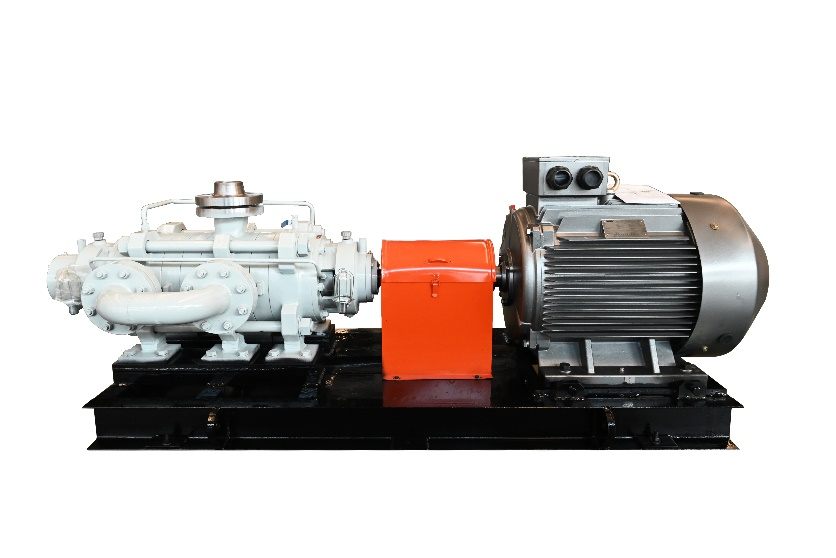
Core Operating Principles of Horizontal Centrifugal Pumps
Horizontal centrifugal pumps achieve fluid transport through controlled energy conversion processes. These pumps use rotational force to transform mechanical energy into hydraulic energy, making them essential for industrial applications that demand reliability and high efficiency.
How Centrifugal Force Enables Efficient Fluid Movement in Industrial Systems
When an impeller spins really fast, it creates centrifugal force that pushes fluid outwards from the middle area. What happens here is pretty interesting - the spinning motion turns mechanical power into movement energy, which allows these big systems to push water at impressive speeds sometimes reaching around 15 thousand cubic meters per hour. A recent study published in the Fluid Dynamics Report back in 2024 showed something fascinating too. They found that when engineers tweak the shape of impellers just right, they can actually cut down on wasted energy by somewhere between 18 to 22 percent over standard models. That kind of efficiency makes a real difference in operational costs for industrial applications.
Impeller Dynamics and Pressure Differential: The Science Behind Smooth Flow Delivery
Impeller blade curvature and rotational speed directly affect pressure generation. As fluid exits the impeller tips, a low-pressure zone forms at the eye, sustaining continuous suction. Modern horizontal centrifugal pumps maintain pressure differentials exceeding 35 bar while achieving hydraulic efficiencies of 85–92% (Pump Industry Analysis 2023).
Hydraulic Performance Under Solid-Liquid Two-Phase Flow
Specialized impeller designs allow these pumps to handle slurries with up to 70% solid concentration by mass. Angled vanes and reinforced wear plates minimize turbulence from particles as large as 5 mm, ensuring consistent flow performance in demanding environments.
High Hydraulic Efficiency Through Optimized Volute Casing Design
The volute casing’s gradually expanding cross-section efficiently converts kinetic energy into static pressure, with energy losses as low as 3%. Computational fluid dynamics (CFD) models indicate that tapered volute designs improve efficiency by 6–8% in high-flow conditions compared to traditional spiral configurations.
Energy Efficiency and Variable Speed Control for Reduced Operational Costs
Energy Efficiency of Horizontal Centrifugal Pumps in Large-Scale Industrial Applications
In water treatment and chemical processing facilities, horizontal centrifugal pumps operate at 80–92% hydraulic efficiency. Their streamlined impellers reduce turbulence, enabling reliable transfer at flow rates up to 12,000 m³/h—ideal for high-volume operations.
Reducing Energy Consumption with Advanced Control and Variable Speed Technologies
Variable frequency drives (VFDs) reduce energy consumption by 30–60% by adjusting motor speed to match real-time demand. A 2024 study of manufacturing fluid networks found that VFD-equipped pumps cut annual energy costs by $58,000 per unit through precise torque control.
Precision Flow Regulation Using Variable Frequency Drives (VFDs)
VFDs deliver ±2% flow accuracy by converting fixed-frequency power to adjustable outputs between 0–60 Hz. This eliminates the need for throttling valves, which are responsible for 15–20% of system energy waste, as shown in motor efficiency research.
Matching Dynamic Process Demands with Variable Load Capabilities
These pumps sustain 92% efficiency across 40–110% load ranges thanks to adaptive impeller vanes and responsive VFD algorithms. Integrated pressure sensors automatically adjust performance in response to viscosity changes in petroleum pipelines and mining slurries, maintaining stability during fluctuations in demand.
Wear Resistance and Performance in Slurry Transport Applications
Impact of Particle Size and Concentration on Pump Efficiency
The properties of slurry have a major effect on how well pumps actually perform. When particles are bigger than 200 microns, they can cut down hydraulic efficiency by as much as 18%, according to research from Wear in 2020. And if the solid content goes over 30% by weight, there's definitely going to be more recirculation losses too. Shape matters quite a bit here as well angular particles tend to wear things down far worse than round ones do. Alumina based slurries are particularly bad news for equipment lifespan studies show these kinds of mixtures destroy impellers about 2.3 times quicker compared to regular limestone based stuff. That kind of finding comes straight from the Wear Journal back in 2020.
Erosive Wear Characteristics in Horizontal Centrifugal Slurry Pumps
Three dominant erosion mechanisms affect slurry pumps:
- Microcutting from sharp-edged particles (accounts for 55–60% of material loss)
- Deformation wear due to high-velocity impacts near volute tongues
- Corrosion-assisted erosion in chemically aggressive environments
CFD-DEM simulations from 2023 Engineering Failure Analysis research show peak wear occurs at 65–75% of impeller radius, with wear depth rising exponentially when slurry velocities exceed 3.8 m/s.
Energy Loss Due to Erosion in Industrial Pumps
Surface roughness from erosion increases power consumption, as demonstrated below:
| Surface Condition | Efficiency Loss | Energy Cost Increase |
|---|---|---|
| Polished (Ra 0.8μm) | 0% Baseline | $0/kWh |
| Moderately Worn (Ra 3.2μm) | 9.7% | $1,420/month |
| Severely Worn (Ra 12.5μm) | 22.4% | $3,310/month |
Data scaled for 200 kW pump operating 6,000 hours annually (Wear, 2020)
Trade-offs Between Material Hardness and Hydraulic Efficiency
Hardened alloys (55–62 HRC) reduce erosion by 40–60%, but typically lower pump efficiency by 4–7% due to:
- Limited surface finish capabilities
- Boundary layer separation from reduced material ductility
- Increased vortex formation in discharge zones
Advanced duplex stainless steels now offer an optimal compromise, providing 48 HRC hardness while retaining 88% of baseline hydraulic efficiency in coal slurry applications.
Reliability, Maintenance, and Design Advantages of Horizontal Centrifugal Pumps
Robust bearing and seal configurations ensuring fluid handling reliability
Bearing systems designed for precision and sealing tech with multiple layers really boost system reliability. A recent study from the Hydraulic Institute in 2024 found that pumps featuring silicon carbide mechanical seals can run about 12 percent longer when dealing with abrasive fluids compared to regular models. The combination of these parts stops leaks even when there's a pressure difference of around 25 bar, which means fewer breakdowns for those important fluid transport operations where downtime is not an option at all.
Simplified maintenance access enabled by horizontal split-case design
With a horizontal split-case setup, technicians can get right into those internal parts like impellers and wear rings without having to tear apart all the piping or mess with motor connections. According to some industry data collected across 48 chemical facilities last year, this kind of arrangement cuts down typical repair time by around 30% when compared to vertical turbine models from what the Hydraulic Institute reported in their 2023 findings. The front and back pull out features really help when checking rotor assemblies too. For companies operating in industries where unexpected shutdowns cost upwards of fifteen grand every single hour, these kinds of savings make all the difference in the world.
Structural simplicity and long-term maintenance advantages
With 35% fewer components than multi-stage vertical pumps, horizontal centrifugal units achieve mean time between failures (MTBF) exceeding 35,000 hours in water treatment settings. Key maintenance benefits include:
- 40% lower lubricant consumption via hydrodynamic bearings
- 5-year service intervals for main shaft bearings in clean fluid operations
Facilities report up to 40% lower lifecycle costs over ten years, especially when handling non-abrasive fluids at moderate temperatures.
FAQ
What are horizontal centrifugal pumps used for?
Horizontal centrifugal pumps are essential for industrial applications requiring reliable and high-efficiency fluid transport, such as water treatment and chemical processing facilities.
What makes centrifugal force effective in fluid movement?
The centrifugal force generated by fast-spinning impellers transforms mechanical energy into hydraulic energy, enabling large systems to transport fluids at high speeds efficiently.
How do variable frequency drives benefit centrifugal pumps?
Variable frequency drives (VFDs) reduce energy consumption by adjusting motor speed to real-time demand, resulting in lower operational costs and increased flow accuracy.
What is the impact of slurry properties on pump efficiency?
Slurry particle size and concentration significantly affect hydraulic efficiency, with larger particles and high solid content leading to increased recirculation losses.
How does wear affect centrifugal pumps?
Erosive wear leads to increased power consumption and decreased efficiency; however, advanced materials and designs can mitigate these effects.
What are the maintenance advantages of horizontal centrifugal pumps?
Horizontal centrifugal pumps offer simplified maintenance access due to their split-case design, leading to reduced repair times and lower lifecycle costs.
Table of Contents
- Core Operating Principles of Horizontal Centrifugal Pumps
-
Energy Efficiency and Variable Speed Control for Reduced Operational Costs
- Energy Efficiency of Horizontal Centrifugal Pumps in Large-Scale Industrial Applications
- Reducing Energy Consumption with Advanced Control and Variable Speed Technologies
- Precision Flow Regulation Using Variable Frequency Drives (VFDs)
- Matching Dynamic Process Demands with Variable Load Capabilities
- Wear Resistance and Performance in Slurry Transport Applications
- Impact of Particle Size and Concentration on Pump Efficiency
- Reliability, Maintenance, and Design Advantages of Horizontal Centrifugal Pumps
-
FAQ
- What are horizontal centrifugal pumps used for?
- What makes centrifugal force effective in fluid movement?
- How do variable frequency drives benefit centrifugal pumps?
- What is the impact of slurry properties on pump efficiency?
- How does wear affect centrifugal pumps?
- What are the maintenance advantages of horizontal centrifugal pumps?