 EN
EN



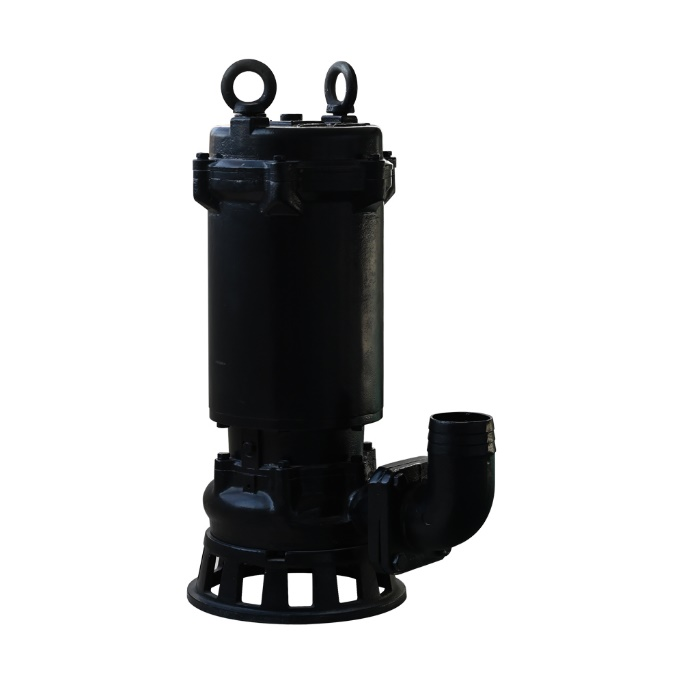
Understanding Sewage Pump Functions and System Requirements
What is a sewage pump system and how does it function?
Wastewater pump systems are responsible for moving sewage that contains all sorts of stuff like food particles, paper products, and even small objects from where it's collected to treatment plants. The system typically consists of submersible pumps sitting in wet wells along with various control devices that help push the waste through pipelines no matter how steep the terrain gets. What makes these different from regular water pumps is their ability to handle bigger chunks. They have specially built impellers and open channel designs that can deal with solid materials measuring around three inches across. A recent look at twelve city sewer systems in 2024 confirmed this capability. Some main parts of these systems would be things like the pump housing itself, intake screens to catch larger items before they cause problems, and electrical controls that monitor everything running smoothly throughout the entire process.
- Grinding mechanisms for solid waste reduction
- Float switches for automated level detection
- Corrosion-resistant housings (cast iron or stainless steel)
Core hydraulic parameters: Flow rate and total dynamic head
When designing systems, there are really two main numbers that matter most: how much water moves through per minute (GPM) and what's called total dynamic head or TDH. The TDH basically adds together how high the water needs to be lifted plus all those little losses that happen as it travels through pipes and bends. For cities and towns running their water systems, pumps need to work pretty well around 85% of the time when things get busy, handling anywhere from about 1,500 up to maybe 10,000 gallons each minute. A recent study by Ponemon Institute shows something important here too. They found that roughly two thirds of early pump breakdowns come down to messed up TDH math. And these mistakes aren't cheap either. Municipalities end up spending more than seven hundred forty thousand dollars every year just fixing these problems and paying extra for energy waste.
Key performance requirements in municipal wastewater infrastructure
Modern sewage pumps must meet three operational benchmarks:
- Material durability: 316L stainless steel components resist hydrogen sulfide concentrations up to 50 ppm, commonly found in sewer gas.
- Flow adaptability: Variable frequency drives (VFDs) adjust pump speed to accommodate daily flow variations ranging from 30% to 250% of baseline.
- Clog resistance: Discharge passageways should align with local codes, typically allowing solids of 2–4" in diameter for municipal systems.
Types of Sewage Pumps for Municipal Applications
Submersible Pumps: Reliability and Integration in Wet Wells
Submersible pumps work best when they're completely underwater, which makes sense why folks use them so much in those deep wet wells and places needing to move lots of water at once. Most are built with materials that won't rust easily either stainless steel or cast iron depending on what environment they'll face. The newer models tend to run pretty efficiently too, getting over 80% hydraulic efficiency in most cases. According to research published last year looking at coastal infrastructure projects, operators reported cutting down on maintenance expenses around 40% when switching from traditional dry pit systems. This seems to happen because the motors stay sealed away from contaminants and there's just less chance of cavitation problems developing over time.
Grinder vs. Cutter Pumps: Managing Solid Waste in Sewer Lines
Grinder pumps break down solid waste into particles about 6 to 10 millimeters in size, which works well for regular home sewer lines and smaller wastewater treatment facilities. On the other hand, cutter pumps are designed specifically for those tough stringy stuff like old rags and plastic bits. These machines come equipped with sharp blades that can cut through materials up to around 50 mm without getting stuck or blocked. Most city maintenance crews tend to go with cutter pumps when dealing with main sewer trunks because these lines typically carry way more debris than what's considered normal, sometimes over 1,500 parts per million worth of junk floating around.
Dewatering and Sludge Pumps in Advanced Treatment Stages
After primary treatment, centrifugal sludge pumps with abrasion-resistant coatings transfer biosolids containing 15–30% solids. Progressive cavity pumps excel in thickened sludge applications, delivering flow rates up to 300 m³/h with 90% energy efficiency. Their hardened alloy rotors support over 10,000 hours of operation in high-solids environments.
Comparative Suitability of Pump Designs for Large-Scale Systems
| Pump Type | Flow Range (m³/h) | Max Solids Size | Primary Applications |
|---|---|---|---|
| Submersible | 100–2,500 | 80 mm | Wet well drainage |
| Grinder | 10–200 | 10 mm | Residential lift stations |
| Cutter | 50–1,200 | 50 mm | Municipal trunk lines |
| Progressive Cavity | 30–300 | 6 mm | Sludge dewatering |
Large-scale systems processing more than 50,000 m³/day often combine submersible pumps for raw sewage intake with progressive cavity pumps for sludge transfer, reducing energy consumption by 25% compared to single-type configurations.
Critical Selection Criteria for Effective Sewage Pumping
Solids Handling Capacity Relative to Waste Composition
Sewage these days is full of all sorts of stuff beyond just what we expect. Think about it: there are textile fibers floating around, various personal hygiene items, plus leftover bits from manufacturing processes. According to some city studies, between 18 and 32 percent of solid waste in sewers measures over 25 millimeters in size. That means pumps need special impellers with tough cutting blades and outlets at least three inches wide to handle everything properly. When it comes to pumps themselves, experts really push for models that keep recirculation below 2% when dealing with things that won't break down naturally. Wet wipes are a big problem here they were responsible for about 41% of all blockages reported by municipalities last year alone. No wonder plumbers get so frustrated!
Pumping Distance, Elevation, and Head Pressure Demands
Getting the total dynamic head (TDH) right matters a lot if we want to avoid system failures down the road. Take a typical scenario where there's a 1.5 mile long force main needing to push water up an 80 foot elevation. The pumps here generally need to produce somewhere between 145 to 160 pounds per square inch, but don't forget about those pesky friction losses either which can eat up anywhere from 15% to 25% of that power when flows are at their highest. Smart operators know variable frequency drives are game changers for keeping pressure stable when demand drops off. These devices cut down on wasted energy significantly compared to older fixed speed systems, saving roughly 22% in electricity costs according to field tests across various installations.
Pipe Diameter and System Friction Effects on Efficiency
| Pipe Size | Flow Velocity | Friction Loss | Recommended Pump Type |
|---|---|---|---|
| 4-inch | 6-8 fps | 12 ft/100ft | Grinder pumps |
| 6-inch | 4-6 fps | 5 ft/100ft | Non-clog centrifugal |
| 8-inch | 3-5 fps | 2 ft/100ft | Vortex impeller pumps |
Undersized piping increases energy costs by 18–30%, while oversized lines raise sedimentation risks, according to hydraulic modeling data.
Matching Pump Capacity to Plant Flow Variability and Peak Loads
During heavy storms, city drainage systems often deal with water volumes that can reach triple their normal levels. The good news is smart monitoring tech lets operators tweak things on the fly when needed. Some real world tests have found something interesting too: when they paired those standard 150 horsepower pumps with AI controllers that predict problems ahead of time, there was around a 37 percent drop in system overloads. For anyone designing these systems, it's generally wise to build in somewhere between 15 and 20 extra capacity just to be safe. That kind of buffer helps accommodate the gradual increase in demand we typically see happen naturally over about five years as neighborhoods expand and develop.
Durability, Materials, and Long-Term Operational Resilience
Municipal sewage pump systems demand rigorous material selection to withstand decades of exposure to corrosive compounds. Three engineering priorities define infrastructure-grade durability:
Corrosion-resistant materials for extended service life
Stainless steel (316/304 grades) and duplex alloys dominate modern construction, offering superior resistance across pH 2–12 environments. These materials outperform cast iron in saltwater exposure tests by a 3:1 margin while maintaining tensile strength above 550 MPa.
Mechanical seals and wear protection in high-abrasion environments
Double mechanical seals with silicon carbide faces prevent leakage even in wastewater with over 100 ppm sand. Hardened impeller coatings now reduce erosion-related efficiency loss by 62% under Design for Reliability standards.
Case study: Stainless steel submersible pumps in coastal wastewater plants
A seven-year evaluation of tidal zone installations revealed that 316L stainless steel pumps retained 95% of their original flow capacity, compared to 67% for epoxy-coated alternatives. This enhanced corrosion resistance translates to a 40% longer service life in chloride-rich conditions.
Energy Efficiency, Maintenance, and Total Cost of Ownership
Optimizing Energy Use With Efficient Motors and Variable Frequency Drives
The Water Environment Federation reports that sewage pumping takes up anywhere from 40 to 60 percent of the total energy consumed at most wastewater treatment facilities. When paired together, IE4 and IE5 class high efficiency motors along with variable frequency drives can cut down on electricity usage by roughly 15 to 30 percent simply by adjusting how much water flows through the system. These systems work especially well for plants processing between eight thousand and twenty thousand gallons each minute. During times when demand drops off, VFD technology stops wasting energy but still keeps the necessary pressure levels steady throughout the entire process without any interruptions or fluctuations.
Smart Controls and Real-Time Monitoring for Predictive Maintenance
Supervisory control and data acquisition (SCADA) systems reduce maintenance costs by 18–25% (EPA 2023) by enabling early detection of issues such as:
- Impeller wear via vibration analysis
- Seal leakage through sensor alerts
- Flow imbalances in parallel pump setups
This shift from scheduled to condition-based maintenance improves system reliability.
Balancing Upfront Costs With Long-Term Reliability and Downtime Reduction
Although premium corrosion-resistant pumps carry a 20–35% higher initial cost, they offer 12–18 years of service–40% longer than standard models in coastal environments. A lifecycle cost analysis of 72 municipal installations showed:
| Factor | Impact on 20-Year TCO |
|---|---|
| Energy optimization | 28% cost reduction |
| Predictive maintenance | 19% downtime savings |
| Material durability | 34% repair avoidance |
Engineers prioritize pumps with mean time between failures (MTBF) exceeding 85% despite higher purchase prices, given that unscheduled downtime averages $2,100 per hour during treatment bottlenecks.
FAQ Section
What types of materials are suitable for sewage pump components?
Components such as 316L stainless steel and duplex alloys are ideal due to their superior resistance in environments with pH levels between 2 and 12.
How can systems achieve energy efficiency?
Pairing IE4 and IE5 class high efficiency motors with variable frequency drives can reduce electricity usage by adjusting water flow.
What is the significance of total dynamic head (TDH) in pump systems?
TDH combines elevation and losses during water travel. Accurate calculation reduces energy waste and prevents system failures.
Why might municipalities prefer cutter pumps for certain applications?
Cutter pumps are adept at managing stringy waste and are preferred for main sewer trunks carrying a high debris load.
Table of Contents
- Understanding Sewage Pump Functions and System Requirements
- Types of Sewage Pumps for Municipal Applications
- Critical Selection Criteria for Effective Sewage Pumping
- Solids Handling Capacity Relative to Waste Composition
- Pumping Distance, Elevation, and Head Pressure Demands
- Pipe Diameter and System Friction Effects on Efficiency
- Matching Pump Capacity to Plant Flow Variability and Peak Loads
- Durability, Materials, and Long-Term Operational Resilience
- Energy Efficiency, Maintenance, and Total Cost of Ownership
- FAQ Section