 EN
EN



Understanding Well Depth and Water Table Dynamics
How Well Depth Affects Well Pump Selection
The depth of a well plays a big role in deciding what kind of pump works best for getting water out efficiently. Shallow wells, those under about 25 feet deep, usually work fine with regular jet pumps that pull water up through suction. When we get into deeper territory, around 25 to 110 feet down, things change. Deep well jet pumps come into play here with their special two pipe setup that mixes both suction and pushing action to handle the extra lifting needed. Once we're talking about wells over 110 feet deep though, submersible pumps become necessary because the water pressure at that depth just makes traditional surface mounted systems too unreliable. Getting the right pump matched to the well depth matters a lot. It stops problems like cavitation, cuts down on wasted energy somewhere around 15-20% depending on conditions, and generally keeps the whole system running longer without breakdowns.
Measuring Static Water Level and Drawdown for Accurate Assessment
The static water level refers to how high the water sits when nothing is running, while drawdown measures how much that level drops when the pump actually works. Getting these numbers right matters a lot for figuring out what kind of lift capacity a pump needs. Some folks get this wrong and end up with flow problems. A study back in 2005 found that mistakes here could cause flow rates off by as much as 21% in home systems. That kind of error margin isn't something most homeowners want to deal with, so taking time to measure accurately makes all the difference in performance and efficiency down the road.
- Use electronic water level meters for static measurements (±1 ft accuracy)
- Conduct 24-hour drawdown tests using flow restrictors to simulate real demand
Professional evaluations improve pump sizing accuracy by 33% compared to DIY methods, minimizing the risk of under- or over-sizing.
Impact of Seasonal Water Table Fluctuations on Pump Performance
Groundwater levels tend to bounce around between 15 to 30 feet each year depending on how much rain falls and what crops need watering, according to research tracking this over sixteen years. When these shifts happen, regular pumps just aren't cut out for the job anymore. Shallow models often struggle to keep going when there's not enough water around during dry spells, whereas big pumps waste a lot of power when conditions get wetter than expected, sometimes eating up nearly quarter more electricity. The good news is that some newer pump designs come with features like variable speed controls or adjustable pressure settings which help them handle these ups and downs better. These systems stay efficient even when water levels swing by about twenty percent either way, making them worth considering for anyone dealing with seasonal fluctuations.
Matching Well Pump Types to Depth Ranges
Selecting the right well pump requires aligning its capabilities with your water table depth to ensure consistent performance and energy efficiency.
Shallow Well Jet Pumps for Depths Under 25 Feet
Shallow well jet pumps work best when the water table sits no deeper than about 25 feet below ground level. These pumps basically suck water up through suction, which makes them pretty affordable options for homes or small farms with basic needs. Most models can push between 5 and 15 gallons per minute, which is actually quite good considering how little maintenance they need over time. The design helps prevent those annoying short cycles that wear out components faster, so they tend to last longer in areas where groundwater stays fairly consistent at shallow depths.
Deep Well Jet Pumps for Depths Between 25 and 110 Feet
For water levels below 25 feet, deep well jet pumps utilize a two-pipe design to generate higher lift capacity. A pressure tank helps stabilize output, enabling these pumps to maintain flow rates of 4–12 GPM even with seasonal water table drops of up to 20%.
Submersible Pumps for Depths From 110 to 400 Feet
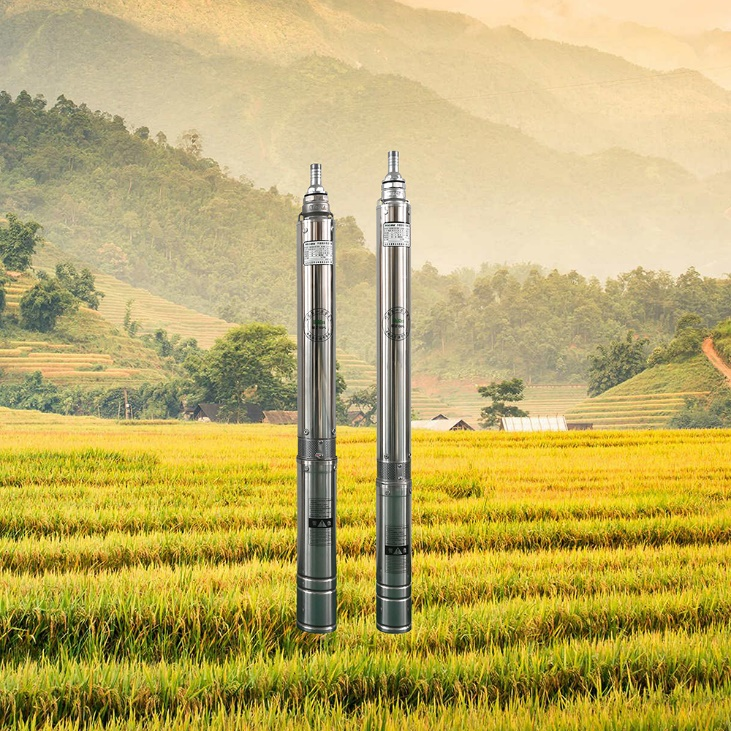
Submersible pumps operate fully submerged, pushing water to the surface—an advantage in deep wells where suction-based systems fail. Their sealed motors resist sediment and mineral buildup, supporting flow rates of 10–30 GPM at depths exceeding 300 feet. This makes them the standard choice for deep residential and commercial installations.
Convertible Jet Pumps for Variable Depth Applications (0–90 Feet)
Convertible jet pumps offer flexibility for sites with fluctuating water tables. By switching between shallow and deep well configurations, they accommodate seasonal changes while delivering 6–18 GPM. This adaptability reduces long-term costs in areas with unpredictable aquifer behavior.
Calculating Total Dynamic Head (TDH) for Proper Sizing
Understanding Total Dynamic Head in well pump systems
The Total Dynamic Head, or TDH for short, basically tells us what kind of resistance our pump has to work against. It's all those things added together: how high we need to lift water, any changes in elevation along the way, plus all that annoying friction inside the pipes. Irrigation folks from DripWorks mention that when picking out pumps, remembering TDH equals Static Lift plus Friction Loss plus whatever pressure we actually need makes all the difference. Let's say someone wants to move 25 gallons per minute but faces 21 feet of vertical lifting and around 5.6 feet worth of friction losses somewhere in their setup. That means they'll probably need a pump capable of handling at least 26.6 feet TDH just to get the job done right. Getting this number right helps keep everything running smoothly without wasting money on equipment that's either too small or way bigger than necessary.
How well depth and static water level influence TDH calculations
The depth of a well determines the starting point for what's called static lift. Seasonal changes in the water table can swing things around quite a bit too, often moving between 15 to 30 feet up or down in most temperate areas. Take a 300 foot deep well where the water sits at about 200 feet below ground level. The pump needs to actually lift that water 200 feet straight up first before even thinking about overcoming friction losses in pipes or pumping against gravity when going uphill somewhere else. According to field measurements we've seen across various installations, roughly every 10 feet deeper means needing about half to three quarters of a horsepower just to keep proper pressure levels. That explains why those small shallow well pumps simply won't work for deeper wells since they max out at only around 25 feet of lift capability, which isn't nearly enough for serious applications.
Selecting Horsepower Based on Depth and Flow Requirements
Balancing Well Depth, Flow Rate, and Horsepower Needs
Getting the right horsepower means finding that sweet spot between well depth, flow rate measured in gallons per minute (GPM), and system pressure. Every extra foot down the hole adds roughly 0.433 pounds per square inch to the pressure, which naturally makes the system work harder and consume more power according to what we've seen in industry publications like Machinery Lubrication last year. There's this basic calculation everyone uses: Horsepower equals GPM multiplied by PSI divided by 1,714. But remember to factor in pump efficiency since most systems run around 75% to 85% efficient at best. Take a look at a typical setup needing 10 GPM at 150 psi pressure. The math gives us about 0.88 HP on paper. Reality tells another story though. Friction losses along pipes, unexpected spikes in demand during busy periods, all these things mean engineers usually round up when specifying equipment. Nobody wants their system struggling during peak hours because they went too lean on the numbers.
How Higher Depths and Demand Affect Well Pump Horsepower Selection
The deeper the well gets and the faster water needs to flow, the more horsepower becomes necessary. For instance, a well that's 400 feet deep pumping out 15 gallons per minute actually needs about four times as much power compared to a similar system at just 100 feet depth because of all that added pressure against gravity. Agricultural systems where water demand fluctuates seasonally often benefit from having around 20 to 30 percent extra capacity built into them to keep motors from burning out during peak usage periods. Most pumps installed in wells deeper than 200 feet typically need motors ranging between 5 and 10 horsepower. Shallow wells measuring 50 feet or less generally don't go beyond 1.5 horsepower requirements. When selecting equipment, it makes sense to plan for worst case scenarios too. Water tables naturally drop throughout certain seasons, so accounting for these changes when sizing components ensures reliable operation through dry spells as well.
Using Well Pump Size Calculators and Charts for Precision
Leveraging Well Pump Size Calculators for Accurate System Design
Well pump calculators today make designing systems much easier since they look at factors like how deep the water is, what kind of flow is needed, and something called Total Dynamic Head or TDH for short. When users enter details about the static water level when nobody's really using it, plus things like pipe size, what materials are used, and any changes in elevation, these tools can suggest pump sizes that are pretty close - within about 5% give or take. Some studies from hydraulic engineers in 2023 back this up. The real benefit comes when these calculators account for those annoying seasonal changes and all that friction loss stuff nobody likes talking about. People who actually use them report making way fewer mistakes. One survey found professionals cut down their sizing errors by around two thirds compared to old fashioned manual calculations, according to NEMA numbers from last year.
How Charts and Tools Improve Well Pump Selection Efficiency
Depth-to-capacity charts simplify matching pumps to site conditions. For example, a 300-foot well needing 15 GPM typically pairs with a 1.5 HP submersible pump, based on standard head capacity curves. These visual tools highlight:
- Operating ranges (minimum and maximum performance limits)
- Efficiency "sweet spots" for energy savings
- Compatibility with pressure tanks and control systems
When combined with manufacturer guides, charts reduce selection time by 40% and help prevent premature failures—improper sizing accounts for 32% of early motor breakdowns (Water Systems Council 2023).
FAQ
What is the importance of measuring static water level and drawdown?
Measuring static water level and drawdown is crucial for determining the pump's lift capacity. Accurate measurements prevent flow problems and ensure system efficiency.
How do seasonal water table fluctuations impact pump performance?
Seasonal fluctuations can cause shallow models to struggle in dry spells or waste energy during wet conditions. Modern pumps with variable speed controls can handle these changes efficiently.
Why are submersible pumps preferred for deep wells?
Submersible pumps are fully submerged and push water to the surface, making them ideal for deep wells where suction-based systems are inadequate.
How do well pump size calculators assist in system design?
Well pump size calculators consider factors like water depth, flow needs, and Total Dynamic Head to suggest pump sizes, reducing sizing errors significantly.