 EN
EN



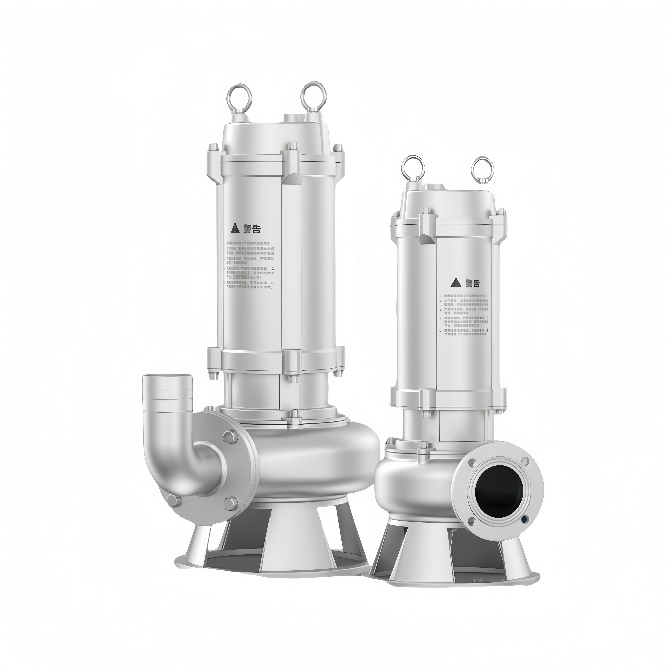
Ensuring Reliable Wastewater Transport and System Continuity
Modern sewage pumps serve as the backbone of urban wastewater management systems, enabling consistent fluid transport across miles of underground infrastructure. Their design directly addresses four critical operational challenges:
Facilitating Wastewater Movement Across Complex Municipal Networks
Sewage pumps maintain flow continuity in sprawling pipe networks by generating pressures up to 125 psi, overcoming friction losses in multi-mile runs. Advanced models automatically adjust output to match real-time demand, ensuring steady transit from residential zones to treatment facilities.
Overcoming Elevation and Pressure Challenges in Drainage Systems
Vertical lift capabilities of 20–30 meters allow pumps to conquer steep terrain variations common in metropolitan areas. Multistage impeller configurations combat static head pressures exceeding 15 psi, preventing flow stagnation in hillside collection points.
Preventing Overflows and Backups During Peak Flow Periods
Automated level sensors activate pumps within seconds of detecting rising fluid volumes, managing inflow spikes from storms or population surges. Units rated for 8,000–12,000 GPM capacities reduce overflow risks by 62% compared to manual systems in EPA flood response evaluations.
Enhancing System Reliability With Durable Pump Construction and Check Valves
Stainless steel that resists corrosion or hardened cast iron casings can handle exposure to hydrogen sulfide and stand up to abrasive solids without breaking down. The system comes with built-in check valves that stop water from flowing backward, something that matters a lot in practical applications. Field tests have shown systems equipped with dual-seal mechanical check valves experience about 89 percent fewer cases where water flows the wrong way. Looking at real world results, a study published in ScienceDirect back in 2022 found that municipalities which implemented these kinds of engineering fixes saw their unplanned maintenance drop by around 41%. Plus, these facilities were still able to meet emergency requirements for at least two weeks straight when needed most.
Efficient Handling of Solids and Maintenance of Flow Integrity
Managing solids, debris, and sludge with advanced sewage pump designs
Today's sewage pumps use vortex and scroll impeller designs that can handle wastewater with solid particles as big as three inches without getting blocked. The pump manufacturers design these units to satisfy those 10 state regulations regarding solid material processing, and they generally keep around 85 percent efficiency when used in regular city sewer systems. To stand up better against all the gritty stuff that flows through sewers, many models come equipped with dual seal arrangements and are built from toughened cast iron that resists wear from sand and other abrasive substances commonly found in wastewater streams.
Sustaining high-volume wastewater flow in demanding environments
High-capacity models deliver consistent flow rates exceeding 1,500 GPM even in systems with 15–20% solids concentration. Optimized wet well designs and variable frequency drives (VFDs) prevent flow disruptions during sudden inflow surges, maintaining performance in aging infrastructure and extreme weather conditions.
Reducing clogs and blockages in urban pumping stations
Anti-clog features like oversized discharge ports and recessed impeller channels decrease blockage incidents by 62% compared to conventional pumps (Municipal Water Infrastructure Report 2024). Automatic reversing mechanisms clear debris without manual intervention, reducing maintenance costs in high-traffic urban networks.
Case Study: Improving flow integrity in high-solids municipal systems
A 2025 municipal case study demonstrated how upgraded sewage pump technology reduced service calls by 41% while handling 35% more solids volume. The implementation of real-time monitoring systems and advanced solids-handling impeller designs allowed continuous operation during heavy storm events without overflow incidents.
Energy Efficiency, Smart Controls, and Long-Term Cost Savings
Sewage pumps equipped with modern tech actually save quite a bit of energy thanks to those variable frequency drives we call VFDs. These clever devices tweak motor speeds based on what's happening with wastewater flow at any given moment. The result? Energy consumption drops somewhere between 15% and 25% when compared to older fixed-speed systems that run constantly regardless of demand. Then there are the smart control systems which take things even further. They coordinate several pumps working together and kick in special energy saving modes whenever the system isn't under heavy load. Cities that have adopted this stuff are seeing some serious money saved each year. One pump station might cut costs anywhere from eight thousand to twelve thousand dollars annually because of better power management plus early warning signs for potential problems before they become expensive repairs down the road.
Using durable materials such as hardened cast iron and stainless steel wear rings means these components last longer between services. Studies on their lifespan show around 40 to 50 percent savings in maintenance expenses when looking at a ten year period compared with regular pumps. When we combine this durability with better energy efficiency and fewer repairs needed, modern sewage pump systems end up costing about 35 to 45 percent less overall than older models. That kind of cost saving makes a real difference for wastewater treatment facilities that often struggle with limited financial resources while still needing to meet strict environmental regulations.
Supporting Environmental Sustainability and Regulatory Compliance
Meeting environmental regulations through advanced pump technology
The latest sewage pump systems are getting smarter about dealing with stricter environmental rules than ever before. Many newer models come with several important certifications under their belt ISO 14001 for managing environmental impact and ISO 50001 focusing on saving energy while still passing all the requirements set forth by the Clean Water Act. According to an EPA report from last year, cities that upgraded to these modern pumps saw a drop in permit problems around 38 percent when compared against older equipment still in service. That's quite impressive considering how complicated wastewater regulations have become over recent years.
Minimizing leaks and ecological impact with seal integrity systems
Next-generation mechanical seals prevent hazardous leaks even under high-pressure conditions, with industry research showing 85% lower failure rates than traditional designs. Dual containment technology maintains seal integrity during power fluctuations, helping plants avoid 90% of contamination fines tied to pump leaks in EPA enforcement actions (2024).
Promoting sustainability via resource-efficient wastewater management
| Efficiency Feature | Impact |
|---|---|
| Variable speed drives | 25-35% energy reduction |
| Optimized impeller design | 40% fewer cavitation-related repairs |
| Automated flow controls | 18% lower chemical dosing costs |
These innovations help facilities meet sustainability targets while processing 12–15% more wastewater daily without infrastructure upgrades.
IoT integration for real-time monitoring and environmental protection
Smart pump networks using IoT sensors achieve 92% faster leak detection and 60% fewer unplanned outages, as demonstrated in the 2024 Water Infrastructure Report. Cloud-connected systems automatically adjust operations during storm events, preventing 80% of overflow incidents that previously violated discharge permits.
Protecting Public Health Through Effective Wastewater Containment
Preventing Sewage Contamination and Safeguarding Water Quality
The release of untreated wastewater remains a major problem for public health worldwide. About 80% of cities in developing countries still struggle with this issue. Modern sewage pumps help stop contamination by keeping pressure steady in the pipes so raw sewage doesn't escape before it gets to treatment centers. Keeping things contained matters a lot because when wastewater isn't treated properly, it carries dangerous stuff like E. coli and chemicals that can raise disease risk by around 23% according to recent studies from Ponemon Institute. These pumping systems handle between 800 and 1200 gallons every minute even when there's heavy flow through the system. They keep groundwater safe from getting polluted and give treatment plants enough time to clean up harmful substances before water goes back into circulation.
Reducing Disease Transmission Risks With Dependable Pump Performance
According to CDC reports, when communities upgrade their old sewage systems with better pumping infrastructure, they see about a 37% drop in cases of diarrhea. Modern sewage pumps come equipped with special anti-clog parts and made from materials that resist rust and wear, so they keep running without stopping. When these pumps stop working properly, stagnant water becomes a breeding ground for dangerous bacteria. Flood zones face extra risks here because if pumps fail during heavy rains, diseases like cholera and typhoid can start spreading rapidly through polluted water surfaces just days after the system gets overwhelmed. Recent WHO findings from 2023 back this up quite clearly.
Frequently Asked Questions
What challenges do modern sewage pumps address?
Sewage pumps address challenges such as wastewater movement across complex networks, elevation and pressure challenges, overflow prevention during peak flows, and system reliability with durable construction.
How do modern sewage pumps enhance energy efficiency?
They use variable frequency drives to adjust motor speeds according to wastewater flow, resulting in 15% to 25% energy savings compared to traditional fixed-speed systems. Smart controls further optimize energy consumption.
What are the environmental benefits of modern sewage pumps?
Modern pumps comply with environmental regulations like ISO 14001 and ISO 50001, reduce permit issues, and use advanced seal integrity systems to minimize leaks and ecological impacts.
How do sewage pumps protect public health?
By maintaining pressure to prevent untreated sewage leaks, they minimize contamination risks and reduce disease transmission by ensuring effective wastewater containment.
Table of Contents
- Ensuring Reliable Wastewater Transport and System Continuity
- Efficient Handling of Solids and Maintenance of Flow Integrity
- Energy Efficiency, Smart Controls, and Long-Term Cost Savings
- Supporting Environmental Sustainability and Regulatory Compliance
- Protecting Public Health Through Effective Wastewater Containment
- Frequently Asked Questions