 EN
EN



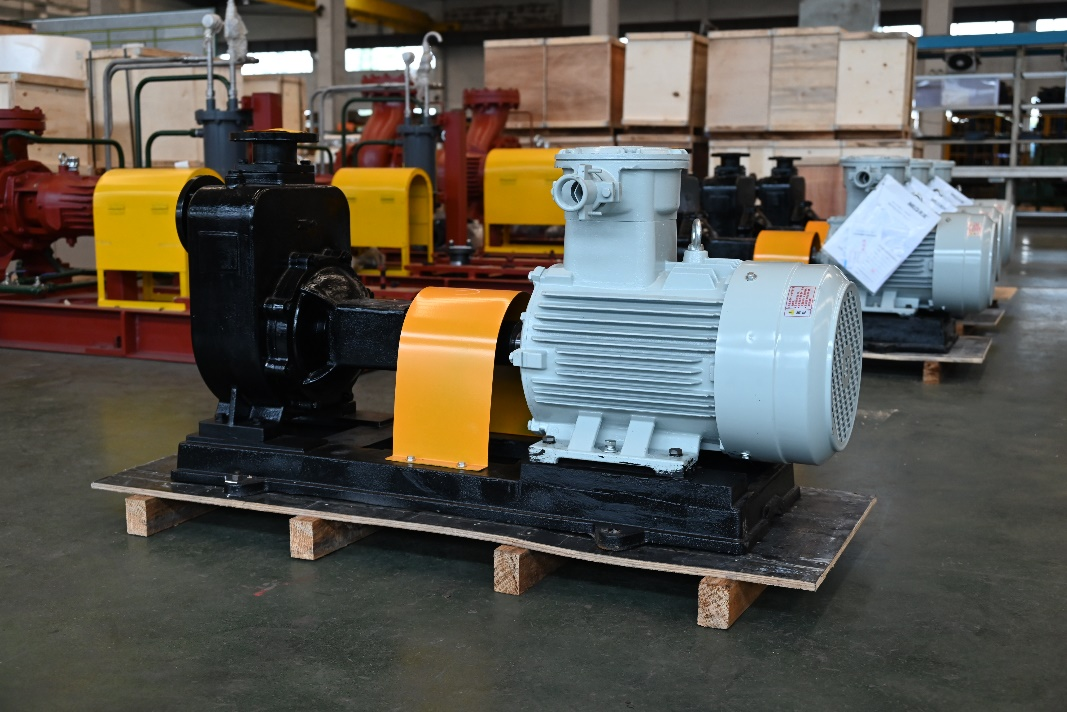
Rapid Deployment: How Self-Priming Water Pumps Enable Immediate Response
Self priming water pumps tackle a big problem in emergency situations when water needs to be moved fast. Traditional centrifugal pumps need someone to manually prime them before they'll work, but self primers do all that automatically by clearing out air from the suction line. That means they can start pumping right away without waiting for setup, which matters a lot if the pump hasn't been used for days or weeks. Firefighters dealing with floodwaters, hazmat teams responding to chemical leaks, or rescue workers operating in areas hit by earthquakes all benefit from this feature. When disaster strikes, getting water moving within minutes rather than hours can make a real difference in saving property and lives.
Elimination of Manual Priming Reduces Operational Delays
Old fashioned pumps often lose around 15 to 20 minutes every time they start up because someone has to manually prime them by filling casings or getting rid of trapped air. The newer self priming versions cut out all that waiting since they have built in systems that circulate fluid and create their own vacuum automatically. Firefighters dealing with wildfires have seen their pump ready times drop by almost two thirds compared to what they used to experience with regular equipment. That kind of speed difference makes a huge difference when trying to stop something like a wildfire from spreading rapidly across terrain.
Dry Installation for Safety and Accessibility in Hazard Zones
Unlike traditional models, these pumps don't need to be submerged, which makes them ideal for tricky spots like unstable ground or places contaminated with chemicals where getting wet could cause problems. When there's an industrial accident, firefighters set up these units on dry ground and then pull out dangerous liquids from below ground level storage tanks or flooded basements. Another big plus is how they stay protected against all the junk floating around in city floods after disasters hit downtown areas. This feature really saves money on repairs down the road.
Time and Labor Savings Through Plug-and-Play Operation
Self priming pumps come ready to go right out of the box with their automatic priming feature and all the connections already set up. Most models get running within just three minutes flat. Cities across the country that mount these pumps on trailers for flood response have seen crews spend about 40 percent less time getting everything ready compared to older systems. When water starts rising fast, this kind of quick setup means emergency workers can actually do what they're trained for instead of wrestling with equipment while trying to save property and lives at the same time.
Reliability and Performance in Critical Emergency Scenarios
Ability to Prime Without Submersion Enhances Deployment Flexibility
Self priming water pumps work without needing to be completely submerged, which makes them great for situations where the water is shallow or has lots of junk floating around. During floods, emergency crews can get these pumps going much quicker than regular models since traditional ones need deeper water to function properly. These pumps basically suck out all the air from their suction pipes on their own, so they're ready to go within just over a minute. That's actually eight times quicker than what people can manage by hand according to some recent FEMA guidelines from last year.
Handling Air-Locked Systems Without Manual Intervention
Advanced impeller designs and vortex chambers enable continuous operation even when air enters the system. This autonomous air-handling capability ensures uninterrupted flow during tank transfers or pipeline breaches, avoiding the 15–20% performance drops typical of standard pumps in airlock conditions.
Durability and Reliability in Challenging Environmental Conditions
A 2024 engineering report found that self-priming pumps operating in extreme temperatures (-20°C to 55°C) maintain 98% uptime during prolonged disasters. This thermal resilience makes them indispensable for Arctic pipeline emergencies and desert wildfire responses alike.
Consistent Performance During Intermittent or Unpredictable Operations
Patented moisture-sealed bearings and corrosion-resistant composites allow these pumps to endure frequent starts and stops without degradation. Field tests show flow-rate stability within 2% variance across more than 500 duty cycles—critical for tidal flooding scenarios requiring precise evacuation timing.
Key Applications of Self-Priming Water Pumps in Emergency Management
Floodwater Drainage and Urban Disaster Response
In city emergencies, self priming water pumps can suck out around 740 gallons worth of dirty floodwater every single minute. These pumps mounted on vehicles keep going even when there's debris floating around as big as two inches across. City workers get these pump units out to flooded street crossings and underground parking areas pretty quick usually within half an hour after they hear about disasters happening nearby. Getting them deployed fast helps stop buildings from getting damaged by water sitting too long and also cuts down on the risk of diseases spreading through all that standing water.
Emergency Dewatering in Construction and Confined Spaces
When tunnels or collapsed foundations flood, these pumps clear more than 15 cubic meters of water per hour without needing submersion. Their vortex impellers handle mud and gravel mixtures that typically disable standard centrifugal pumps during construction site emergencies.
Firefighting Support with Temporary Water Distribution Systems
Fire crews use self-priming pumps to establish instant water supplies from swimming pools or storm drains when hydrant systems fail. Recent fluid dynamics research shows they maintain 95% pressure consistency across 1,000-foot relay systems—key for effective wildfire containment.
Decontamination and Water Supply in Hazardous Environments
Chemical-resistant models transfer fuel-tainted groundwater at spill sites while maintaining sealed fluid paths. Emergency responders prioritize their leak-proof design when dewatering fuel-filled basements or nuclear cooling pond overflows, achieving 99.8% containment rates in EPA-monitored cleanups.
Mobility and Operational Efficiency in Remote and Dynamic Settings
Compact, Trailer-Mounted Units for Fast Transport
Designed for rapid deployment, many self-priming pumps feature compact, trailer-mounted configurations. These units reduce setup time by 60% compared to fixed systems (Federal Emergency Response Agency 2023), enabling swift transport to disaster zones. Lightweight aluminum frames and standard hitch connections allow integration with utility vehicles, eliminating the need for specialized hauling.
Mobility Features Enabling Rapid Response in Remote Locations
All-terrain tires, corrosion-resistant materials, and modular designs ensure reliable function in flooded or debris-filled environments. For example, GPS-equipped models reduced deployment delays by 35% in mountainous regions by optimizing routes in real time. Key advantages include:
- Slope adaptability: Units maintain prime at inclines up to 30°C
- Fuel efficiency: 72-hour runtime on single-tank diesel models
- All-weather operation: Sealed components function in -30°C to 50°C extremes
Integration into National Emergency Preparedness and Mobile Units
More than 40 different national disaster response programs have started incorporating those trailer mounted self priming pumps into their mobile readiness kits lately. The standardized connections work well with most existing emergency vehicles and water distribution systems out there, which means these solutions can scale pretty easily when regions face major crises. Take what happened during those terrible floods in the Pacific Northwest back in 2022 as an example. Within just eight hours after arriving at affected areas, rescue teams managed to set up no fewer than 14 temporary water supply networks using these pump systems. That kind of rapid deployment makes all the difference when communities are cut off from clean water sources following disasters.
Reduced Maintenance and Training Needs for Sustainable Crisis Use
Self-priming water pumps reduce operational complexity through simplified maintenance and intuitive design. Built for quick adoption by personnel with varying skill levels, they eliminate the need for specialized expertise typically required by traditional pump systems.
Ease of Operation Lowers Training Burden for Emergency Personnel
Automatic priming makes it possible for emergency workers to get water transfer systems running in just minutes rather than waiting all day. According to field research, teams working with these systems reach competency levels around 68 percent quicker compared to old school manual methods. Most folks actually pick up the basics after only one practice run through. This kind of ease really matters when bringing together volunteers or staff who have been trained across different areas during major emergencies. The less complicated setup means people can focus on what actually needs doing without getting bogged down by equipment issues at critical moments.
Minimized Maintenance Requirements During Continuous Operation
Corrosion-resistant composites and sealed bearing systems enable operation for over 1,200 hours between servicing intervals—even in contaminated floodwater. Unlike centrifugal pumps requiring weekly diaphragm inspections, self-priming models use fail-safe check valves that prevent debris ingress, reducing unscheduled downtime by 41% in prolonged recovery operations according to hydraulic engineering reports.
Frequently Asked Questions
What is a self-priming water pump?
A self-priming water pump is a type of pump that can automatically remove air from the suction line, allowing it to begin pumping water without requiring manual priming.
How do self-priming water pumps benefit emergency responders?
These pumps enable immediate water movement in emergency situations, reducing setup time and operational delays, and they do not require submersion, which is useful in hazardous environments.
Can self-priming pumps handle dirty and contaminated water?
Yes, self-priming pumps are designed to work with dirty or contaminated water and can handle debris, making them ideal for flood and disaster response.
What are the key applications of self-priming pumps in emergencies?
These pumps are used for floodwater drainage, urban disaster response, emergency dewatering in confined spaces, firefighting support, and decontamination in hazardous environments.
Why are self-priming pumps important in remote or dynamic settings?
Self-priming pumps offer rapid deployment capabilities, are easily transported, and function effectively in extreme weather and challenging environments, making them essential for remote and dynamic locations.
Table of Contents
- Rapid Deployment: How Self-Priming Water Pumps Enable Immediate Response
- Reliability and Performance in Critical Emergency Scenarios
- Key Applications of Self-Priming Water Pumps in Emergency Management
- Mobility and Operational Efficiency in Remote and Dynamic Settings
- Reduced Maintenance and Training Needs for Sustainable Crisis Use
- Frequently Asked Questions