 EN
EN



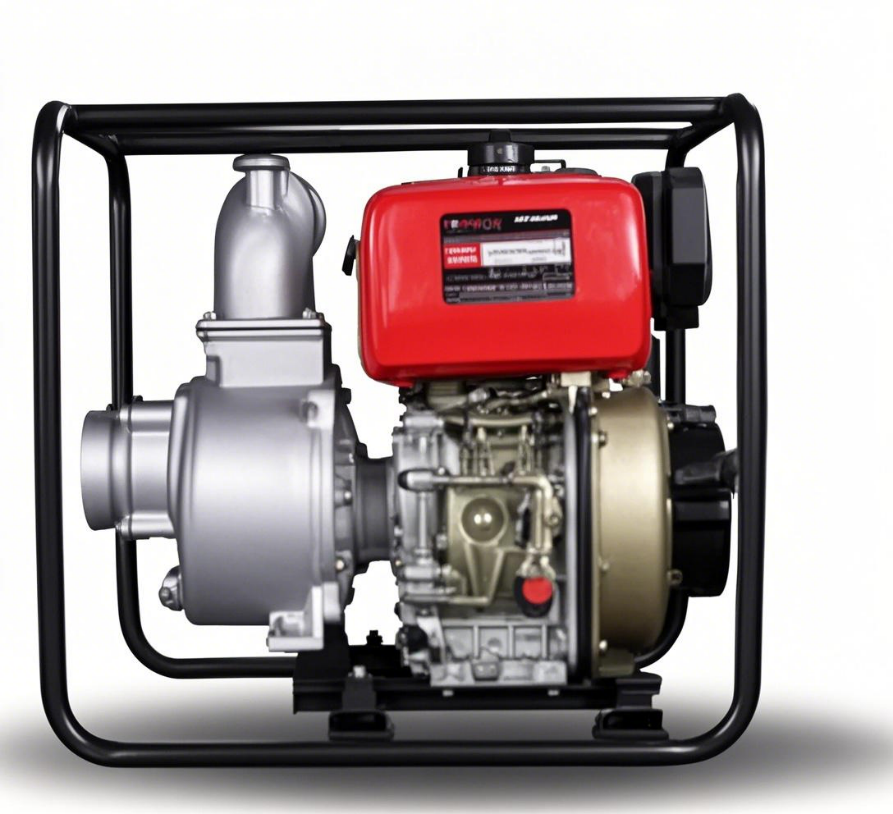
Instant Readiness: How Self Priming Water Pumps Enable Rapid Emergency Response
Elimination of manual priming for immediate operation
Self priming water pumps get going in about 60 seconds which cuts out the usual 8 minute wait needed for regular pumps according to FEMA data from 2023. The extra minutes saved really matters when emergency workers need to set up water supplies during floods or fires before things get worse. Regular pumps often need someone to flood the suction line or manually vent them, but these newer models have built in vortex chambers that take care of getting rid of air from the suction lines all on their own. Firefighters have noticed around 40 percent improvement in how fast they can deploy these pumps, and this translates into putting out fires quicker and containing floods sooner than before.
Self-priming working principle and automatic re-priming after air ingress or shutdown
The special impeller design generates negative pressure that pushes air out through discharge valves while pulling water upwards, allowing the system to keep running even when air gets into it from rough or low water sources. When there are sudden power cuts, these pumps can restart themselves again in about 90 seconds give or take, which really matters where electricity tends to flicker on and off during emergencies. Better versions of this technology actually hold onto their flow rates around 15 percentage points better than regular pumps face airlocks, so they deliver consistent results even when working conditions aren't stable.
Suction lift capability â pumping from below pump level without external assistance
The pumps can pull water from as far down as eight meters, which means they work great for getting water out of flooded basements, deep wells, or even natural water sources without needing to be submerged themselves. Their ability to reach vertically becomes really important when dealing with floodwater that's trapped behind levees, or whenever we need to place the pump higher up to keep it away from dirt and trash. Back during the 2022 hurricane response efforts, these trailer mounted models managed to empty reservoirs holding 12,000 gallons each, even though those tanks were sitting six whole meters beneath where the pumps were located. That shows how useful they are in situations where regular submersible pumps just won't cut it. Plus, since there's no need for separate priming gear, getting everything set up becomes much easier in tight spaces filled with all sorts of junk after a disaster hits.
Unmatched Reliability: Self Priming Water Pumps in Unpredictable Emergency Environments
Tolerance to air/water mixtures and intermittent flow â critical for low-water or debris-laden sources
Self priming water pumps keep running smoothly even when dealing with water full of air bubbles, lots of dirt, or inconsistent flow rates something that happens all too often after disasters strike. What makes these pumps special is their unique impeller setup which stops them from getting stuck on air pockets. They work great in situations like shallow well pumping, moving through thick mud during floods, or drawing from reservoirs that aren't completely filled. Regular pumps would just stop working in these conditions. Because they handle moderate amounts of solids without breaking down, these pumps become essential for important jobs such as removing water from buildings that have collapsed or getting access to polluted water sources right at the beginning of emergency responses.
Stable performance across temperature extremes, voltage fluctuations, and unattended operation
The pumps maintain around 98% uptime even when temps swing between -20 degrees Celsius and 55 degrees Celsius according to the latest engineering data from 2024. That means they work just as well fighting oil spills in Arctic conditions as they do battling wildfires in desert regions. Inside each unit are special voltage regulators that help stabilize power supply when generators act up in the field. Plus, the materials used resist corrosion from all sorts of harsh stuff like seawater, industrial chemicals, and whatever garbage ends up floating around after floods. What really stands out though is how long these things can operate without anyone watching. They'll keep going for over three days straight, which makes all the difference when teams need to rotate through dangerous areas during major disasters where resources are already stretched thin.
Operational Efficiency: Lower Labor, Training, and Downtime Demands
Minimal operator training and simplified maintenance for first responders and non-specialists
Self priming water pumps don't need much technical know how to get running, which makes them great for emergencies when people on scene might not have special training. The automatic priming feature cuts out all those complicated start up steps that regular pumps need. Maintenance is straightforward too thanks to easy access inspection points and parts that resist rust and corrosion, so even folks without mechanical backgrounds can do basic checks themselves. These features really matter during urgent situations where every minute counts. Volunteers or staff who received just a quick walk through can often handle pump operations without getting stuck on technical details.
Reduced downtime during intermittent use â ideal for standby and infrequent emergency activation
The pumps stay ready to go even after sitting idle for long periods without losing their effectiveness. They can get back online quickly after being shut down or getting air in the system, which matters a lot when dealing with sudden problems such as flash floods hitting an area unexpectedly. The dependability of these pumps cuts down on expensive downtime too. Research indicates that when emergency equipment fails, companies might lose over seven hundred forty thousand dollars every single hour according to Ponemon's findings from last year. Plus, since they handle all sorts of usage schedules, these pumps work really well stored away in backup locations for disasters or used in those mobile teams that rush into affected areas.
Proven Emergency Applications Enabled by Self Priming Water Pump Technology
Flood drainage and dewatering â rapid deployment from construction sites to disaster zones
Self priming water pumps have become essential tools for dealing with flood situations and removing excess water because they can start working right away without needing special preparation first. These pumps handle water removal at construction sites where everything is underwater as well as in areas hit by disasters, all while requiring no hands on assistance from workers. They get deployed really quickly, often within just a few minutes, helping to clear out flooded streets, basement levels, and important parts of city infrastructure. Most models come with suction power capable of reaching about 8 meters deep, so they can tackle water accumulation that sits below ground level. What makes them particularly useful is how they deal with water full of debris and manage air pockets too, which keeps the water flowing smoothly even when there are some minor blockages present. This helps stop prolonged flooding that would otherwise cause serious damage to properties and create major public health concerns. After hurricanes strike, getting rid of water fast cuts down recovery time significantly. According to recent reports from FEMA in 2023, communities using these pumps saw their recovery periods shortened by around two thirds compared to places relying solely on manual methods.
Fire support, decontamination, and mobile water supply logistics
Self priming pumps are game changers when it comes to fighting fires and handling hazardous materials. These pumps start delivering pressurized water right away once turned on, which is exactly what emergency teams need in those critical moments. Firefighters often set up these pumps as temporary hydrants in places where there's no proper water infrastructure, keeping water flowing at rates above 500 gallons per minute to put out flames effectively. When dealing with chemical spills, these same pumps power decontamination showers that run at around 40 pounds per square inch. This pressure helps wash away toxins quickly and keeps first responders safe from exposure. What makes these pumps really valuable is their mobility. They can be moved easily to hard to reach spots. Some models mounted on trailers can actually move more than 50 thousand gallons of water each day to temporary medical facilities and shelter sites during major emergencies. And even better, they automatically restart pumping after being shut down, so operations don't get interrupted during long lasting incidents. This feature alone makes them indispensable in situations where multiple agencies have to work together and any equipment failure would seriously impact water supply logistics.
Mobility and Scalability: Trailer-Mounted Self Priming Water Pump Systems
Self priming water pumps mounted on trailers have completely changed how emergency water supplies work because they offer something no other system can match when it comes to moving around quickly and being able to scale up as needed. The trailers themselves make getting equipment into hard to reach areas after disasters much easier. Research indicates that setting up these mobile systems takes about half the time required for traditional fixed installations. Built with all terrain tires and materials that resist rust means these pumps keep working even when there's lots of water around or debris everywhere. Plus, most models come with standard hitch fittings so they fit onto pretty much any standard utility vehicle out there. What really stands out though is how flexible they are. One unit can handle several different locations one after another, and multiple units can be connected together to create temporary water networks that serve entire communities. Take what happened during those terrible floods in the Pacific Northwest back in 2022 for example. Emergency crews managed to set up fourteen water distribution points within just eight hours thanks to these mobile pumping systems. When seconds count in a crisis situation, having equipment that moves fast and adapts well to changing conditions isn't just helpful it's absolutely essential for successful operations.
FAQ
What is the benefit of self priming water pumps during emergencies?
Self priming water pumps enable rapid deployment without manual priming, speeding up emergency response times and efficient water supply during disasters such as floods and fires.
How do self priming water pumps manage to run consistently in unstable conditions?
The pumps feature a special impeller design that allows them to self-reprime and sustain operation despite air ingress, power outages, or low and debris-laden water sources.
Can self priming water pumps handle debris-laden water?
Yes, these pumps are designed to function effectively even with air-water mixtures and moderate amounts of solids, making them suitable for post-disaster environments.
What makes trailer-mounted self priming water pumps advantageous?
These pumps are mobile, scalable and set up faster than traditional fixed systems, making them ideal for quickly establishing water supplies in hard-to-access disaster areas.
Table of Contents
- Instant Readiness: How Self Priming Water Pumps Enable Rapid Emergency Response
- Unmatched Reliability: Self Priming Water Pumps in Unpredictable Emergency Environments
- Operational Efficiency: Lower Labor, Training, and Downtime Demands
- Proven Emergency Applications Enabled by Self Priming Water Pump Technology
- Mobility and Scalability: Trailer-Mounted Self Priming Water Pump Systems
- FAQ