 EN
EN



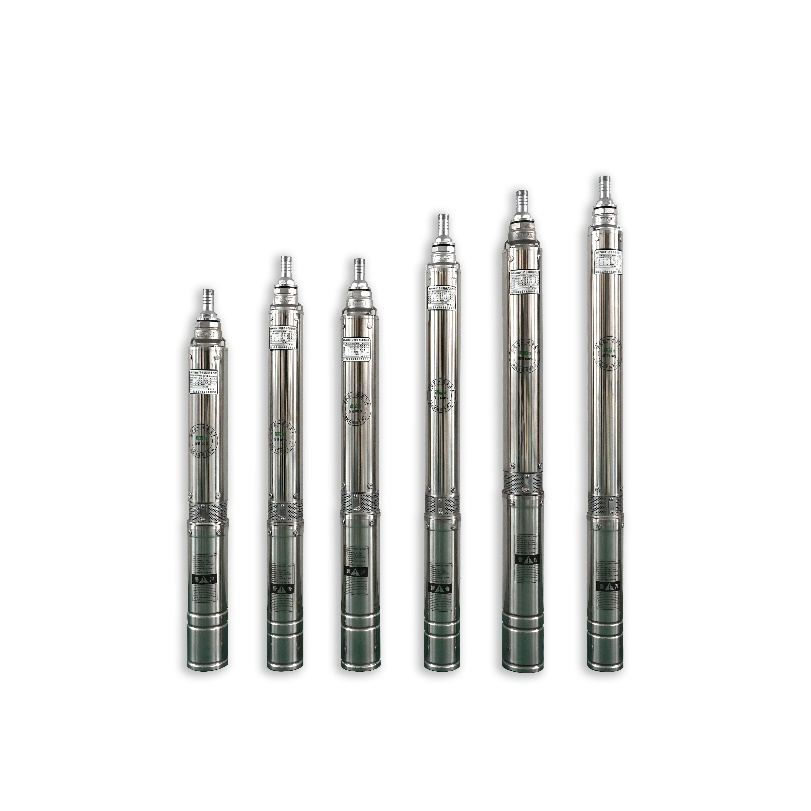
Core Operating Principle: Why Submersible Design Enables Deep Lift
Push vs. pull: How submersion eliminates suction limitations
Old fashioned shallow well pumps work by using atmospheric pressure to suck water up, but there's a hard limit here around 25 feet maximum depth before things start going wrong. When the pump tries to pull water beyond that point, it creates a vacuum effect which leads to cavitation problems and eventually breaks down the whole system. Deep well pumps solve this issue completely different by putting the whole unit underwater instead. The operation changes from just pulling water up against gravity to actually pushing it upwards with pressure. These pumps typically have multiple stages of impellers that build up hydraulic pressure step by step, so water gets forced upward through the pipe without needing any atmospheric help. Because of this setup, modern submersible pumps can reach way deeper than 300 feet underground and still maintain good water flow rates. Plus, since they're fully sealed inside their housing, no air gets into the system either, which means those annoying leaks and breakdowns that plague older suction based systems never happen in the first place.
Pressure dynamics and motor-sealed efficiency at depth
When operating underwater, systems actually work with the surrounding water pressure instead of fighting against it. Take for example depths around 300 feet where water pushes back with about 130 pounds per square inch. This natural force helps keep things flowing smoothly while using less power overall. What really matters for keeping these systems running reliably are those multiple layers of protection on the motor. We're talking about stainless steel mechanical seals, special oil filled compartments, and windings coated with moisture resistant epoxy that all work together to stop water from getting inside where it shouldn't be. The water itself also serves as a built-in cooling system, so components don't overheat even after long periods of operation. Every time an impeller stage kicks in, it typically adds between 15 to 20 psi to the pressure output. This means pumps can lift water well past 500 feet without experiencing cavitation issues. Getting enough Net Positive Suction Head available (NPSHa) remains essential because when there's not enough suction head, vapor bubbles start forming near the impellers which wears down parts faster than normal. Looking at efficiency numbers, submersible pumps beat out jet pumps by roughly 30% at similar depths mainly because they create less friction and don't need to go through the whole priming process each time they start up.
Critical Performance Metrics for Long-Distance Extraction
Total dynamic head (TDH) explained: vertical lift + friction loss
The term total dynamic head or TDH basically tells us how much resistance a pump has to work against when moving water through a system. This includes things like lifting water from its source to where it needs to go vertically, plus all the friction that happens as water moves through pipes, bends around corners, and passes through valves. When looking at friction specifically, longer pipes mean more resistance, faster water flow creates more drag, and rougher pipe surfaces increase losses too. Research indicates that for each 100 foot section of vertical pipe, friction alone can add between 8% to 15% additional workload based on what kind of material was used and how fast the water is flowing. Getting this right matters a lot because even a small mistake in calculating TDH calculations, something like just 10% off, could end up costing operators around 30% in lost efficiency. That's why taking time to get these numbers correct upfront makes all the difference when choosing the right pump for the job.
Matching horsepower, flow rate, and pipe sizing to 300–500 ft lift
Achieving reliable performance across 300–500 ft requires precise equipment alignment:
- Horsepower (HP): Roughly 0.5 HP per 100 ft at 10 GPM; lifts approaching 500 ft typically require 5+ HP units
- Flow Rate: Efficiency peaks at lower flows (≤15 GPM) in deep applications—higher rates increase velocity, friction, and NPSH demand
-
Pipe Diameter: Using ≥1.25" diameter reduces flow velocity to under 5 ft/sec, cutting friction losses by ~40%
Undersized piping at 400 ft can slash system efficiency by 60%, underscoring that pipe dimensioning is not ancillary—it’s foundational to hydraulic balance.
Cavitation prevention through proper submergence and NPSH margin
Cavitation—caused by vapor bubble collapse near impellers—leads to rapid erosion and failure when Net Positive Suction Head available (NPSHa) falls below the pump’s required NPSH (NPSHr). For deep wells, two safeguards are non-negotiable:
- Maintain minimum submergence of at least 3 feet below the lowest seasonal water level, with 15 feet recommended at 300-ft depth to buffer drawdown and pressure fluctuations
- Ensure NPSH margin (NPSHa ∼ NPSHr) exceeds 1.5∼, not just meets minimums
Ignoring these margins increases premature failure risk by 170%, according to field service data from major pump manufacturers.
Strategic Installation: Depth Placement, Intake Positioning, and System Integration
Proper installation of a deep well water pump directly determines its longevity and efficiency in high-lift applications. Placement must reflect both aquifer behavior and real-world hydraulic stresses—not just theoretical capacity.
Optimal submergence depth relative to static water level and drawdown
For proper operation, the pump needs to be placed far enough below the static water level so it stays completely underwater even when water levels drop during heavy usage periods or seasonal changes. Most professionals in the field, including those who follow guidelines set by organizations like the National Ground Water Association (NGWA), suggest installing the pump somewhere between 10 to 20 feet beneath what's expected to be the lowest water level. This extra space helps avoid problems with the pump running dry, keeps necessary pressure margins intact, and allows for temporary drops in water level that happen when pumping continues for extended periods. Getting this right means better reliability throughout all seasons.
Intake screen placement and sediment management in deep aquifers
The intake screen should be placed somewhere between 5 to 10 feet up from the bottom of the well so that sediment can settle down below where it won't interfere with important parts. Just raising it this distance makes a big difference in keeping abrasive particles out and preventing those frustrating clogs. Combine this positioning with a good quality gravel pack installed according to ASTM D5104 guidelines, and what happens is pretty neat. The gravel creates a sort of filter right inside the well itself. It stops sand from moving up through the system without messing with how water flows through over time. Most folks find this setup works much better than trying to fix problems after they happen.
Why Deep Well Water Pump Outperforms Alternatives for Vertical Distance
When it comes to getting water from deep wells, submersible pumps beat every above ground option for vertical pumping jobs since they don't deal with suction issues at all. Jet pumps can only handle about 25 feet before running into problems with atmospheric pressure limits. These units tend to have air leak issues, need constant repriming, and lose efficiency as the suction line gets longer which makes them pretty useless for anything deeper than a few feet below ground. Submersible models work differently though. They actually push water up through pressurized sealed systems underwater. This setup allows for steady water flow even when pulling from depths around 400 feet down. Tests show these systems save roughly between 30 to maybe even 50 percent on energy costs compared to old style jet pumps doing similar lifting tasks.
When it comes to depth optimization, these systems typically last between 10 to 15 years which is about twice what jet pumps manage. The reason? Motors stay protected inside the well casing away from dirt, moisture, and temperature fluctuations that wear things down over time. Being completely submerged means almost zero noise during operation too. Plus there are none of those fragile parts sticking out above ground like foot valves or suction pipes that need constant attention and regular priming. According to field reports, maintenance calls drop by around two thirds once the pump needs to lift water more than 100 feet vertically. For applications where dependable performance really counts such as city water supplies, farm irrigation systems, or homes connected to deep wells, the science behind pressurized water movement clearly favors deep well pumps as the best long term investment available today.
Frequently Asked Questions
What is the main advantage of using a submersible pump in deep wells?
Submersible pumps are advantageous because they can push water upwards with pressure, operating reliably at depths greater than 300 feet and without encountering the suction limitations seen in jet pumps.
How does submersion affect the efficiency of deep well pumps?
Submersion helps as the water pressure assists the pump work, requiring less power. The surrounding water also cools the motor, allowing for continuous operation without overheating.
What is Total Dynamic Head (TDH) and why is it important?
TDH represents the total resistance a pump must overcome, including vertical lift and friction loss within the system. Accurate calculation of TDH is crucial since miscalculations can lead to significant inefficiency.
How do submersible pumps prevent cavitation?
Submersible pumps prevent cavitation by maintaining a minimum submergence below the seasonal low water level and ensuring that the Net Positive Suction Head (NPSH) margin is above the required minimum.
Why might submersible pumps outperform jet pumps in deep applications?
Submersible pumps outperform jet pumps because they function through pressure rather than suction. They have fewer issues with air leaks, require no priming, and maintain energy efficiency over greater depths.
Table of Contents
- Core Operating Principle: Why Submersible Design Enables Deep Lift
- Critical Performance Metrics for Long-Distance Extraction
- Strategic Installation: Depth Placement, Intake Positioning, and System Integration
- Why Deep Well Water Pump Outperforms Alternatives for Vertical Distance
-
Frequently Asked Questions
- What is the main advantage of using a submersible pump in deep wells?
- How does submersion affect the efficiency of deep well pumps?
- What is Total Dynamic Head (TDH) and why is it important?
- How do submersible pumps prevent cavitation?
- Why might submersible pumps outperform jet pumps in deep applications?