 EN
EN



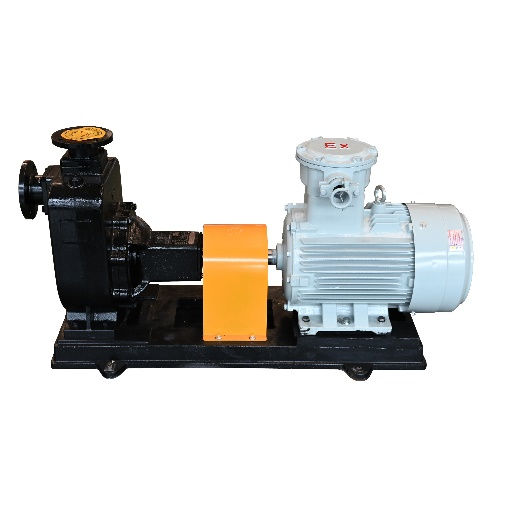
Why Chemical Plants Require Specialized Self-Priming Water Pump Customization
In chemical processing facilities, workers deal with all sorts of harsh substances like concentrated acids, various solvents, and tricky reactive mixtures that regular self-priming water pumps simply aren't built to handle safely or consistently. Standard pump models often fail spectacularly when they come into contact with extreme pH levels, strong oxidizers, or unstable chemical compounds. When companies need specialized equipment, there are really three key requirements that must be met first. The materials used need to withstand corrosion from aggressive chemicals, the design has to meet safety regulations for dangerous environments, and most importantly, the pumps have to perform reliably even in the specific challenging conditions each plant faces daily.
Standard pump housings corrode within months when handling sulfuric acid, leading to leaks that average $740k in incident-related costs (Ponemon 2023). Customized units use corrosion-resistant alloys like duplex stainless steel or Hastelloy C-276—materials proven to extend service life up to fivefold while preventing environmental contamination in high-risk areas.
The process requirements call for special adjustments to both hydraulic systems and mechanical components. When moving chemicals around, there are all sorts of challenges like trapped air bubbles, stop-start flows, and those tricky low NPSH situations at the suction point. Standard off-the-shelf pumps tend to fail when vapor lock occurs, which is pretty common in these applications. That's why custom built systems use specialized impeller designs such as vortex type or recessed channel models. These pump systems also feature stronger double mechanical seals that help keep the suction going even when things get dry. Many plants have learned the hard way that investing in these purpose built solutions pays off big time in terms of reliability and downtime reduction.
Regulatory frameworks like ASME B73.3 and PED 2014/68/EU mandate explosion-proofing, pressure containment, and ignition control for Zone 1/2 areas. Customization integrates ATEX-rated motors, static-dissipative components, and secondary containment—reducing compliance-related downtime by 34% compared to non-certified installations (Process Safety Journal 2024).
| Customization Need | Standard Pump Risk | Custom Solution Benefit |
|---|---|---|
| Material Resistance | HSO corrosion leaks | Hastelloy housing (5x lifespan) |
| Gas Handling | Vapor lock failures | Vortex impeller (99% dry-run tolerance) |
| Safety Compliance | Non-ATEX motor fines | PED-certified explosion-proofing |
Ultimately, specialized self-priming water pumps reduce maintenance costs by 30% and eliminate preventable hazardous material releases—ensuring safe, continuous operation with volatile media.
Corrosion Resistance & Regulatory Compliance: Materials and Certifications for Hazardous Environments
Duplex Stainless Steel, Hastelloy, and Lined Thermoplastics for Aggressive Media
Choosing the right materials stands as the primary barrier against corrosion problems in chemical processing environments. Duplex stainless steels like UNS S32205 and S32206 offer excellent protection from chloride stress cracking, which matters a lot when dealing with brine solutions or seawater exposure up around 150 degrees Celsius. When facing oxidizing acids, Hastelloy C-276 holds up remarkably well structurally. Tests show it corrodes at less than 0.1 mm per year even in 30% sulfuric acid when temperatures rise. For those tricky situations involving hydrofluoric acid, chlorine dioxide, or strong fluorinated solvents, going with PTFE or ETFE lined plastic housings makes sense. These materials don't react chemically and stop substances from passing through them. The financial benefits are substantial too. According to Ponemon Institute research from 2023, good material selection can cut down on the roughly $740,000 average cost companies face when corrosion leads to leaks and system failures.
ASME B73.3 and PED 2014/68/EU Certification for Safe Operation in Zone 1/2 Areas
When working around potentially explosive environments, proper certification goes beyond just paperwork—it forms the very basis of safe operations. The ASME B73.3 standard covers everything from how centrifugal pumps are designed to their testing procedures and documentation requirements throughout North America. These pumps need solid seal chambers, validated pressure containment systems, and complete traceability on all materials used during manufacturing. On the other side of the Atlantic, the PED 2014/68/EU regulation sets similar standards for facilities within the European Union. Compliance means meeting those Essential Safety Requirements, specifically addressing issues like controlling ignition sources aligned with ATEX guidelines, managing static electricity risks, and keeping thorough records of risk assessments for both Zone 1 and Zone 2 hazardous locations. Plants dealing with volatile organic compounds or flammable solvents absolutely need to check off these two major certifications. Failure to do so can lead to serious problems under OSHA's Process Safety Management rules, and companies have faced fines well over half a million dollars for each violation caught by inspectors.
| Certification | Region Covered | Critical Requirements |
|---|---|---|
| ASME B73.3 | North America | Seal flush plans, pressure containment, material traceability |
| PED 2014/68/EU | European Union | ATEX-compliant ignition control, risk assessment documentation |
Performance Customization: Handling Volatile, Intermittent, and Highly Corrosive Fluids
Self-Priming Reliability with Off-Gas Recovery Loops and Low-NPSH Suction Conditions
In chemical processing environments, standard self priming water pumps often struggle to keep up when handling tasks like flashing hydrocarbon transfers, solvent recovery operations, or vacuum assisted sump pumping. When vapors get trapped inside the pump casing, it leads to air binding problems. And those low NPSH situations? They typically result in cavitation damage or complete loss of prime. The solution? Custom engineered systems that incorporate off gas recovery loops. These setups collect and redirect vapors directly to either a vent stack or scrubbing equipment, effectively solving air lock issues. For hydraulic improvements, many facilities install larger volute chambers, fine tune impeller clearance gaps, and add specialized suction diffusers. These changes help maintain consistent flow rates even when NPSH drops below 1.5 meters. A major refinery reported cutting their unexpected downtime by around 40% after upgrading their benzene transfer pumps with all these modifications according to Pump Industry Analysis from last year.
Case Study: Acid Neutralization Skid (pH 0.8–2.1, 30% HSO) Using a Customized Self-Priming Water Pump
A specialty chemical plant experienced recurring pump failures in its sulfuric acid neutralization skid—operating continuously at pH 0.8–2.1 and 30% concentration. Standard pumps corroded within weeks; gas entrainment caused repeated dry runs and seal failures. The engineered solution included:
- Material upgrade: Hastelloy C-276 impeller and PTFE-lined casing
- Hydraulic redesign: Open, two-vane vortex impeller with reinforced shrouds to accommodate particulates and entrained gas
- Seal system: Pressurized dual mechanical seals with buffer fluid monitoring and automated leak detection
- Priming enhancement: Integrated vacuum-assist module enabling restart in under 12 seconds
The retrofitted unit achieved 18 months of uninterrupted operation—cutting annual maintenance costs by $65k and eliminating safety-critical leaks (Chemical Processing Journal 2024).
Impeller Design Trade-offs: Balancing Hydrodynamic Efficiency and Chemical Stability
Getting the right impeller design for chemical applications means making tough choices between how well it moves fluids and whether the materials will last over time. Things like the shape of the blades, how many vanes there are, and where they exit all affect things like pressure output, power usage, and net positive suction head requirements. But when dealing with harsh chemicals, these same features can actually speed up problems like erosion, pitting, or those nasty cracks that form under stress in areas where the fluid moves really fast. Take blade curvature for instance. Bending the blades more definitely helps create better pressure, but this comes at a cost. The increased curve tends to stir up more turbulence and creates higher shear forces in specific spots. This makes corrosion issues much worse in environments containing acids or chlorine compounds, something plant engineers deal with regularly.
Getting customization right means matching the impeller shape to how fluids actually behave. Recessed impellers work best when there's lots of solid particles or gas bubbles around since they stay away from these materials. Open or semi open designs are easier to clean out after running and tend to get clogged less often. Some versions come with hardened surfaces or special coatings that keep them intact while still letting fluid move properly through the system. Computational fluid dynamics tools help fine tune parameters like head pressure, efficiency levels, and net positive suction head requirements. These same tools can check if materials will hold up against chemicals by speeding up corrosion tests. At the end of the day, what works for one fluid might fail completely with another. Factors such as thickness, grittiness, tendency to evaporate, and acidity level all point toward specific impeller configurations. Good design isn't just about making numbers look good on paper it's about keeping operations running smoothly and safely over time.
FAQ
Why do chemical plants require specialized self-priming water pumps?
Chemical plants deal with harsh and corrosive substances that standard water pumps cannot handle safely or reliably. Specialized self-priming water pumps are designed to withstand corrosion, comply with safety regulations, and perform reliably in such challenging conditions.
What materials are recommended for corrosion resistance in chemical processing environments?
Materials such as duplex stainless steel, Hastelloy, and lined thermoplastics like PTFE or ETFE are highly recommended for their resistance to corrosion from aggressive chemicals used in chemical processing environments.
What certifications are needed for pumps used in hazardous environments?
Pumps used in hazardous environments require certifications such as ASME B73.3 for North America and PED 2014/68/EU for the European Union. These certifications ensure pumps meet safety requirements, including explosion-proofing and risk assessment documentation.
How can customizing impeller designs benefit chemical applications?
Customizing impeller designs can enhance the hydrodynamic efficiency and chemical stability of pumps. Suitable impeller designs can prevent erosion, pitting, and cracking, helping the pumps to handle volatile and corrosive fluids more effectively.
Table of Contents
- Why Chemical Plants Require Specialized Self-Priming Water Pump Customization
- Corrosion Resistance & Regulatory Compliance: Materials and Certifications for Hazardous Environments
- Performance Customization: Handling Volatile, Intermittent, and Highly Corrosive Fluids
- Impeller Design Trade-offs: Balancing Hydrodynamic Efficiency and Chemical Stability
-
FAQ
- Why do chemical plants require specialized self-priming water pumps?
- What materials are recommended for corrosion resistance in chemical processing environments?
- What certifications are needed for pumps used in hazardous environments?
- How can customizing impeller designs benefit chemical applications?