 EN
EN



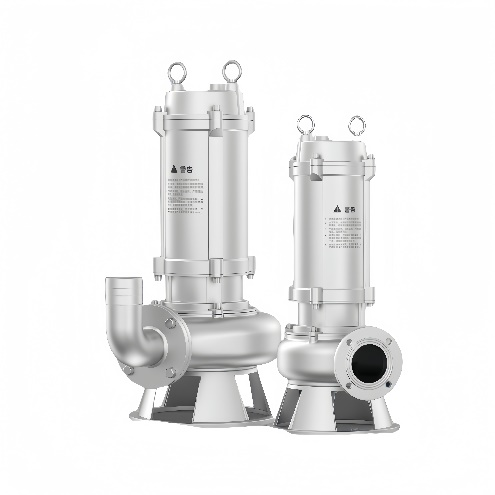
Corrosion-Resistant Materials for Electric Submersible Pumps in Sewage
Stainless Steel vs. Cast Iron vs. Polymer Housings: Real-World Performance in Anaerobic Sewage
Stainless steel is really popular for sewage systems because it has this self healing chromium oxide layer that makes all the difference when dealing with those abrasive solids that constantly scratch pump surfaces. Take 316L stainless steel for instance. It can handle hydrogen sulfide levels around 50 parts per million in areas where oxygen is scarce, which cuts down on failures by about two thirds compared to regular old cast iron. Now cast iron does cost less at first glance, but there's a problem. Its microscopic structure tends to be full of tiny holes that trap corrosive stuff, leading to pits forming and other localized damage over time. Then we have polymers such as polypropylene. They do stand up pretty well against most chemicals, but they start to get soft and bendy once temperatures go past 60 degrees Celsius. That limits their usefulness in places where heavy loads are involved or where temperatures fluctuate a lot. Looking at what actually happens in municipal settings, epoxy coated cast iron usually holds out for about three to five years in average sewage conditions. Meanwhile, duplex stainless steel sticks around for over ten years, making sense economically despite the bigger price tag upfront since it saves money over the long run.
Why Duplex and Super Duplex Stainless Steels Are Optimal for Heavy-Duty Electric Submersible Pumps
The duplex (UNS S32205) and super duplex (UNS S32750) grades of stainless steel mix both austenitic and ferritic structures, giving them roughly twice the strength compared to regular 316L stainless. This makes them particularly suitable for those tough electric submersible pumps that handle over 100 tons per day of solid material. What really stands out is how their balanced internal structure fights off chloride stress corrosion cracking (CISCC). This kind of damage is actually one of the main reasons equipment fails in coastal areas or places where brackish water is common. The super duplex version goes even further with around 3 to 4 percent molybdenum content, which acts as a shield against microbial corrosion caused by sulfate reducing bacteria. Field tests in wastewater environments show these special alloys can cut down on replacements by about 70% when exposed to harsh conditions. Plus, they weld well enough to make field repairs practical, especially important for components like impellers that take a lot of mechanical beating during operation.
Epoxy-Coated Cast Iron and Hybrid Polymers: Balancing Cost, Longevity, and Compatibility with Electric Submersible Pump Design
Epoxy coated cast iron remains a budget friendly option for many applications, especially since those fusion bonded coatings create a protective layer around 250 to 500 microns thick that works well within pH levels from 4 to 10. The problem comes when these coatings start failing in areas where there's lots of mechanical stress, like near impeller cutters. When this happens, we often see galvanic corrosion kick in between the bare metal and remaining coating. Looking at alternatives, hybrid materials such as PVDF reinforced fiber reinforced polymer (FRP) stand out because they resist chemicals better and are roughly 40 percent lighter than traditional metal options. This weight difference makes installation easier and puts less strain on supporting structures. Some newer designs now include sacrificial anodes built right into the polymer volutes, which has been shown to keep equipment running reliably for about eight years even in mildly corrosive sewage environments. When choosing materials for electric submersible pumps, engineers need to consider how different components work together. Motor seals need to match up properly, hydraulic loads have to be accounted for, and heat management becomes critical too. Otherwise, issues like delamination or damage from cavitation can develop over time.
How Sewage Chemistry Accelerates Corrosion in Electric Submersible Pumps
Sewage environments uniquely amplify corrosion through three interconnected factors:
The Corrosive Triad: Low Dissolved Oxygen, Fluctuating pH, and Sulfide-Generating Biofilms
Sewage chemistry attacks electric submersible pumps via synergistic chemical, electrochemical, and biological mechanisms:
- Low dissolved oxygen (DO <1 mg/L) fosters anaerobic conditions where sulfate-reducing bacteria (SRB) proliferate and convert sulfates into hydrogen sulfide (H₂S)
- Fluctuating pH, often dipping below 6.5, increases H₂S volatility and accelerates electrochemical reactions—pipeline failure analyses show each 0.5-unit pH drop doubles corrosion rates
- Sulfide-oxidizing biofilms metabolize H₂S into sulfuric acid, generating localized acid zones with pH as low as 1–3 that breach passive oxide layers
The combination of these three factors leads to what's known as microbiologically influenced corrosion (MIC), which accounts for around 20 percent of all pipeline failures worldwide. Electric submersible pumps are particularly vulnerable to MIC problems. We see pitting damage in metal parts, seals breaking down faster because of those acidic substances produced, plus this conductive biofilm forming on motor windings that can really mess with insulation properties. Things get worse when sulfate levels go past 200 mg per liter in the water. Corrosion speeds up anywhere from three to five times compared to regular wastewater conditions. And temperature plays a role too. For every five degrees Celsius above the 20 degree mark, corrosion rates jump about 30%. That makes a big difference in real world applications.
Advanced Engineering Features That Extend Electric Submersible Pump Lifespan in Corrosive Sewage
Hermetically Sealed Motors with Inert Gas Fill and Dual Mechanical Seals
Motors that are completely sealed and filled with nitrogen gas stop the inside parts from coming into contact with corrosive sewage, which is really important in places where there's no oxygen because metals tend to break down faster when oxygen levels drop. These motors have two mechanical seals acting as backup protection against hydrogen sulfide getting in and keeping out those gritty solids that can cause damage over time. Real world testing shows these special pumps last about three times longer than regular ones when dealing with anaerobic sewage conditions. Plus, the nitrogen gas actually helps with heat transfer, so the motor stays at a consistent temperature even when running nonstop for long periods.
Integrated Cathodic Protection and Strategic Sacrificial Anode Placement
Cathodic protection helps stop the electrochemical corrosion that affects parts of submerged pumps. When we install zinc or magnesium sacrificial anodes, they tend to corrode first, protecting important stainless steel components like pump shafts, support brackets, and those reinforcing rings around the volute. Putting these protective elements close to areas where wear happens most often such as impeller blades and discharge outlets makes a big difference. Some research on corrosion problems in wastewater treatment plants shows this approach cuts down on material loss in those spots by almost two thirds. The newer generation of electric submersible pumps now comes equipped with sensors that track how much the anodes are wearing away over time. This lets maintenance crews know when replacements are needed before anything breaks down unexpectedly, which keeps the whole pumping system running smoothly and efficiently without all those costly shutdowns.
FAQ
What makes stainless steel a popular choice for sewage systems?
Stainless steel has a self-healing chromium oxide layer that provides excellent resistance to abrasive solids and corrosive environments, making it a durable option for sewage systems.
How does the performance of cast iron compare to stainless steel in sewage environments?
Cast iron is initially less expensive but is prone to localized damage and pitting over time due to its porous nature, whereas stainless steel offers greater longevity and resistance to corrosion, especially in environments with low dissolved oxygen.
Why are duplex and super duplex stainless steels preferred for heavy-duty submersible pumps?
Duplex and super duplex stainless steels combine austenitic and ferritic structures, offering enhanced strength and resistance to chloride stress corrosion cracking, making them suitable for handling heavy loads and corrosive environments.
What role do epoxy-coated cast iron and hybrid polymers play in pump design?
Epoxy-coated cast iron provides cost-effective protection but may fail under mechanical stress, while hybrid polymers offer chemical resistance and reduced weight, making them suitable for diverse applications.
How does sewage chemistry accelerate corrosion in submersible pumps?
Sewage chemistry accelerates corrosion through low dissolved oxygen, fluctuating pH, and sulfide-generating biofilms, leading to microbiologically influenced corrosion.
Table of Contents
-
Corrosion-Resistant Materials for Electric Submersible Pumps in Sewage
- Stainless Steel vs. Cast Iron vs. Polymer Housings: Real-World Performance in Anaerobic Sewage
- Why Duplex and Super Duplex Stainless Steels Are Optimal for Heavy-Duty Electric Submersible Pumps
- Epoxy-Coated Cast Iron and Hybrid Polymers: Balancing Cost, Longevity, and Compatibility with Electric Submersible Pump Design
- How Sewage Chemistry Accelerates Corrosion in Electric Submersible Pumps
- Advanced Engineering Features That Extend Electric Submersible Pump Lifespan in Corrosive Sewage
-
FAQ
- What makes stainless steel a popular choice for sewage systems?
- How does the performance of cast iron compare to stainless steel in sewage environments?
- Why are duplex and super duplex stainless steels preferred for heavy-duty submersible pumps?
- What role do epoxy-coated cast iron and hybrid polymers play in pump design?
- How does sewage chemistry accelerate corrosion in submersible pumps?