 EN
EN



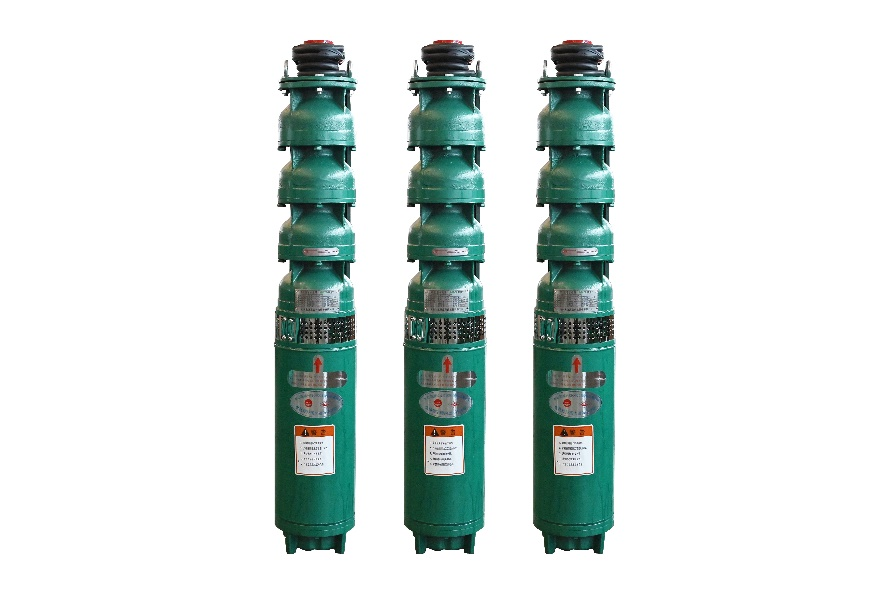
Match Pump Performance to Farm-Specific Irrigation Demands
Why standard industrial pump specs fail in agriculture
Industrial pumps generally handle constant running and resist corrosion pretty well, but when they're put on farms things get tricky. Farm environments throw all sorts of problems at these machines like water full of dirt and debris, changing demands throughout the day, plus long periods where nothing much happens during off seasons. A recent study from 2023 looked at how reliable these pumps actually are in agriculture and found something alarming about 37 percent stop working properly after just two years out there. Why does this happen so often? Well, most regular industrial pumps simply weren't made for what farmers deal with daily. They don't stand up well against gritty sediment buildup or handle the constant starting and stopping required by typical irrigation schedules around farms.
Seasonal duty cycles, reliability thresholds, and uptime expectations in farming
Farm electric submersible pumps face some serious challenges because they go through wild changes in usage. Think about it - running nonstop all day every day when there's a drought, then sitting idle for months during winter. When crops are growing fast and furious, most irrigation systems need to stay online around 90 to 95 percent of the time. And if these pumps fail right when farmers need them most? The Ponemon Institute estimated losses could hit nearly $740,000 worth of crops last year alone. Even worse, those long periods without use actually wear down parts faster than regular agricultural pumps. That's why farmers really need equipment built for this stop-start pattern rather than what works fine in factories where machines run constantly without breaks.
Key Technical Criteria for Electric Submersible Pump Selection
Flow rate (L/s or GPM): aligning with crop water needs and irrigation scheduling
Getting the right amount of water to match what crops actually need is really important if farmers want to protect their yields and not waste resources. Take corn and other row crops for example these usually require around 500 to 800 millimeters of water throughout the growing season. That translates to about 4 to 7 liters per second for every hectare of land, though this number changes depending on how fast the soil absorbs water and how much moisture evaporates back into the air. When there's not enough water delivered, plants start showing signs of stress which can lead to losses as high as 30% in crops that are particularly sensitive to dry conditions. On the flip side, pumping too much water wastes energy and costs farmers extra money, with studies indicating an 18% increase in energy consumption when overwatering occurs according to USDA research from last year. Farmers who synchronize their irrigation schedules precisely with actual crop needs end up delivering just the right amount of water without unnecessary waste.
Total dynamic head (TDH): integrating static head, friction loss, and field elevation profile
When calculating Total Dynamic Head (TDH), there are actually three main factors to consider first. These include the static head which basically means how far vertically we need to lift water from its source point. Then there's all those pesky friction losses that happen inside pipes and fittings as water moves through them. And finally, we have to factor in any elevation changes when moving across different parts of a field or property. For areas with slopes, remember to calculate about 0.1 bar for every meter gained in height during installation. Friction loss alone eats up somewhere between 15% to 25% of total system energy consumption, so getting pipe sizes right really matters here. According to data from Irrigation Association in their 2023 report, nearly half (that's 44%) of early pump failures can be traced back to mistakes made during TDH calculations. This makes good modeling practices absolutely essential if we want systems that work reliably over time instead of breaking down prematurely.
Water source compatibility: NPSH, sand tolerance, and implications for well, borehole, or pond installations
The Net Positive Suction Head, or NPSH for short, basically tells us how deep a pump needs to be submerged to avoid cavitation problems. When cavitation happens in deep well systems, it can knock as much as 35% off the system's efficiency. For those dealing with sandy boreholes, investing in pumps equipped with hardened impellers and reinforced wear plates makes all the difference. These specialized components tend to outlast regular models by about three times in such harsh environments. Pond installations need good quality clog resistant screens to keep debris from getting into the system. And when working with saltwater sources, nothing beats marine grade stainless steel construction. Getting the right materials and design specifications matched to what's actually in the water source isn't just about avoiding breakdowns it's about making sure the whole pumping operation runs smoothly day after day.
Optimize Energy Efficiency and Power Integration for Electric Submersible Pumps
IE3/IE4 Motor Efficiency in Real-World Farm Conditions: Voltage Fluctuations and Thermal Derating
While IE3 and IE4 motors definitely run better than their older counterparts, many rural areas still struggle with power grid issues that cause about plus or minus 10% voltage swings. These fluctuations can cut motor output anywhere from 15 to 20 percent in practice. Then there's the heat problem too. When temperatures rise just 7 degrees Celsius above what the motor is rated for, efficiency plummets by around 1%. This matters a lot for equipment sitting out in direct sunlight all day long. Still, farmers who've made the switch to these efficient motors generally see their energy bills drop between 12 and 18%, as long as they make sure proper ventilation exists and somehow stabilize those erratic voltages coming through the countryside power lines.
Solar-Direct, Grid-Tied, and Hybrid Power Options: Balancing ROI, Resilience, and Operational Continuity
Solar direct systems get rid of reliance on the power grid and typically pay for themselves within three to five years in areas with good sunlight exposure. Grid connected systems work well when electricity rates stay steady, but farms that combine solar panels with battery storage or backup generators can keep their irrigation running even when there's no power. According to recent studies looking at improvements in pumping efficiency, agricultural operations that install intelligent control systems alongside these mixed setups experience around 73% less downtime and manage to waste about 31% less energy overall. Large orchards that require lots of water still depend heavily on reliable grid connections, while smaller fields planted in rows with drip irrigation tend to work best with straightforward solar direct installations since they scale more easily as farm size changes.
Ensure Long-Term Reliability Through Precision Sizing of Electric Submersible Pumps
Operating within the Best Efficiency Point (BEP) – interpreting pump curves correctly
Running pumps at their Best Efficiency Point (BEP), which usually falls between 70% to 120% of ideal flow rates, helps get the most out of them while keeping mechanical strain to a minimum. Things start going south when electric submersible pumps operate beyond these limits. Efficiency plummets by around 15-30%, leading to all sorts of problems like increased vibrations, cavitation issues, and premature wear on bearings. Farmers need to pay special attention here. Matching the pump's BEP curve with what crops demand during peak irrigation seasons makes all the difference. This approach keeps things running smoothly even when water levels fluctuate or sediment builds up, something that happens quite often in those sandy well environments common across many agricultural regions.
Case study: Precision sizing delivers 22% energy savings and extends service life by 3.7 years
A 500-acre almond farm replaced an oversized pump after hydraulic analysis revealed it operated at just 55% efficiency due to miscalculated head. The original system incurred $18,700 in excess annual energy costs. The new precision-sized unit delivered:
- 22% reduction in energy use ($4,114 annual savings)
- Vibration reduced from 8 mm/s to below 3 mm/s
- Service life extended from 6.3 to 10 years
This outcome highlights how accurate TDH modeling and BEP alignment reduce operational costs and enhance durability, proving that proper sizing is a strategic investment in long-term farm resilience.
FAQ Section
Q: Why do industrial pumps often fail in agricultural settings?
A: Industrial pumps fail in agriculture due to gritty sediment buildup and constant starting and stopping. They are not designed for farm water demands.
Q: What is the Best Efficiency Point (BEP) for pumps?
A: BEP for pumps is between 70% to 120% of ideal flow rates. Running pumps within this range ensures optimal performance and minimal mechanical strain.
Q: How can farmers optimize energy efficiency for electric submersible pumps?
A: Farmers can optimize energy efficiency by using IE3/IE4 motors, stabilizing voltage fluctuations, providing proper ventilation, and integrating solar-direct or hybrid power systems.
Q: What factors need consideration when selecting electric submersible pumps?
A: Important factors include flow rate, total dynamic head, water source compatibility, and precision sizing.