 EN
EN



Understanding Agricultural Water Pump Fundamentals
What Is an Agricultural Water Pump and How Does It Support Large-Scale Irrigation?
Water pumps used in agriculture basically move water from places like wells, rivers, and reservoirs out to the crops via pressurized systems. There are different types available too, including centrifugal pumps, those that go underwater, and various turbine designs. They help get water spread evenly over big fields. Some newer models can push anywhere between 4,000 to 15,000 gallons every minute, though this depends quite a bit on what kind of irrigation setup is being used. A recent report from the World Bank found something interesting. Farms that had upgraded their pumping systems saw about a 28 percent drop in wasted water without any loss in crop production. This happened across roughly 12 million hectares worldwide according to their findings last year.
Key Features of Agricultural Water Pumps: Durability, Efficiency, and Adaptability
Top-performing pumps are built for longevity and performance under demanding conditions, featuring:
- Corrosion-resistant materials (e.g., stainless steel or cast iron) that support lifespans exceeding 10,000 hours
- Energy efficiency above 85%, aligned with DOE 2023 standards, to lower operational costs
- Adjustable impellers capable of handling water sources from shallow wells (<50 ft) to deep aquifers (>300 ft)
This flexibility is essential, as 62% of global farms experience seasonal shifts in water availability (FAO 2023 Irrigation Report).
Rising Demand for Efficient Irrigation Systems in Expansive Farmlands
With 40% of cultivated land now dependent on pressurized irrigation (UNEP 2022), farmers increasingly seek pumps that balance flow rate and energy use. A 2024 analysis found that switching to variable-speed pumps improved water-use efficiency by 19% compared to fixed-speed models, driven by climate change and declining groundwater levels.
Evaluating Types of Agricultural Water Pumps and Their Applications
Centrifugal, Submersible, and Turbine Pumps: Pros, Cons, and Use Cases
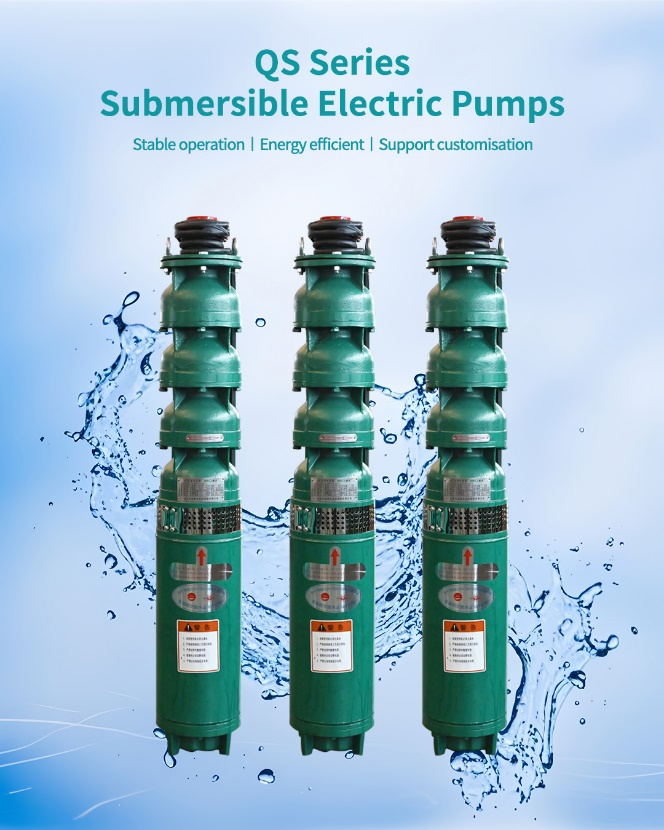
Centrifugal pumps work great for pulling water from surface sources such as rivers and reservoirs since they can move large volumes at moderate pressure levels. The catch? They struggle with deeper water sources because most models can only suck up about 25 to 30 feet before performance drops off significantly. Submersible pumps take a different approach by sitting right down in the water column inside deep wells that go as far down as 400 feet. These pumps actually push water upward instead of trying to suck it against gravity, which saves quite a bit of energy over time. While these units cost more initially, many operators find them worth the investment for deep water applications where efficiency matters most. Turbine pumps handle massive flow rates needed for big industrial operations, but let's be honest - maintaining these beasts gets complicated fast and adds up to serious expenses over their lifetime. A recent study published last year found that centrifugal pumps eat up around 15 to 20 percent more power compared to submersible models whenever water needs to travel more than 50 feet vertically.
When to Choose Centrifugal vs. Submersible vs. Turbine Pumps
- Centrifugal: Best for flood irrigation using surface water
- Submersible: Ideal for drip or sprinkler systems drawing from deep wells
- Turbine: Recommended for reservoir-based irrigation over 500+ acres
According to the 2024 Agricultural Water Pump Market Report, 62% of Nebraska farms using turbine pumps have transitioned to solar-submersible hybrids to reduce pipeline friction and energy costs.
Trend: Increasing Adoption of Solar-Powered Submersible Pumps in Remote Areas
Solar-powered submersible pumps now represent 34% of new installations in arid and off-grid regions, fueled by a 40% decline in photovoltaic panel prices since 2020. These systems eliminate diesel dependency and achieve 85% uptime in high-sunlight areas such as Arizona and sub-Saharan Africa.
Efficiency Claims vs. Real-World Performance of Multi-Stage Turbine Pumps
While manufacturers claim 78–82% efficiency for multi-stage turbine pumps, real-world data from 128 farms reveals actual performance between 63–71%, primarily due to sediment buildup and voltage instability. Regular impeller cleaning can restore efficiency by 12–18% (Iowa State University, 2023).
Aligning Pump Selection with Water Source and Quality Conditions
Selecting Pumps Based on Water Source: Well, River, or Reservoir
Choosing the right pump really depends on what kind of water source we're dealing with. For wells, submersible pumps work great since they operate fully underwater. Centrifugal pumps, on the other hand, handle big volumes better when drawing water from rivers or reservoirs. When it comes to deeper installations where water needs to be lifted more than 50 meters, turbine pumps tend to perform best. Speaking of materials matters too. Pumps used in sandy river environments should have parts that resist abrasion otherwise they'll wear out way too fast. Stainless steel components or ceramic coatings can make all the difference in these situations.
Impact of Water Source Depth and Accessibility on Pump Choice
Each 10 meters of elevation gain increases pressure requirements by 14.5 PSI, directly affecting energy use. Farms relying on mountain-fed sources often face 15–30% higher energy costs due to elevation and pipeline friction. Accessibility also impacts maintenance; a Nebraska study found hard-to-reach pumps required 40% more downtime than easily accessible units.
Managing Water Quality Challenges: Sediment, Salinity, and Clogging Risks
Water with over 500 ppm sediment necessitates multi-stage filtration to protect impellers. In saline or acidic environments, stainless steel or polymer-coated components reduce corrosion risk by 60% compared to standard iron housings. A 2024 survey showed farms conducting regular water quality testing lowered annual pump replacement costs by $1,200 through informed material choices.
Maximizing Energy Efficiency and Reducing Long-Term Operational Costs
How Pump Efficiency Impacts Energy Consumption and Cost Savings
A mere 10% boost in pump efficiency translates to savings between $1,200 and $2,800 each year for every 100 hectares according to research from the University of Nebraska back in 2023 looking at those center pivot irrigation systems. The newer high efficiency pump designs basically reduce all that internal friction happening inside the impellers and volutes which cuts down on electricity consumption while still maintaining good water flow rates. Farmers running operations larger than 500 hectares have noticed their return on investment comes much quicker too when they go for these top tier pumps with at least 85% hydraulic efficiency compared to regular ones that only hit around 70%. Some folks even say it makes a huge difference in their bottom line during dry seasons when water demands spike.
Energy Efficiency Ratings for Agricultural Water Pumps
Manufacturers now benchmark performance using recognized standards:
| Standard | Flow Rate Range | Efficiency Benchmark | Annual Savings* |
|---|---|---|---|
| MEI ⥠1.35 | 50–200 m³/h | 87% ± 2% | $8–$12/kW |
| Eurovent Class A | 30–150 m³/h | 84% ± 3% | $6–$9/kW |
| DOE 2027 | 100–300 m³/h | 89% ± 1.5% | $10–$15/kW |
*Based on 8,000 annual operational hours at $0.11/kWh
Strategy: Integrating Variable Frequency Drives (VFDs) to Optimize Energy Use
Variable frequency drives work by adjusting how fast pumps run based on what's actually needed for irrigation at any given moment, which cuts down on wasted energy when the system isn't running at full capacity. Some field trials conducted on soybean farms throughout Nebraska found that centrifugal pumps fitted with VFD technology consumed around 31 percent less power compared to traditional fixed speed models during periods of drought. Farmers who combine these drives with solar powered submersible pumps report another benefit too their batteries last approximately 40% longer without compromising water pressure even when pumping against elevation differences as high as 150 meters. This makes sense from both an economic standpoint and environmental perspective since it reduces overall energy consumption while still delivering reliable performance.
FAQ
What types of agricultural water pumps are available?
There are several types, including centrifugal, submersible, and turbine pumps. Each type has specific applications and benefits depending on the water source and depth.
How do agricultural water pumps improve irrigation efficiency?
These pumps help distribute water evenly across crops efficiently, with some models reducing water wastage by up to 28% without affecting crop yield, according to a World Bank report.
What factors should be considered when choosing an agricultural pump?
Factors include the water source type, required flow rate, existing irrigation systems, and operational efficiency such as energy consumption and cost.
Why are submersible pumps popular in deep well applications?
Submersible pumps are designed to operate underwater, making them efficient for deep well applications by pushing water upwards, thus conserving energy compared to other pumps.
What are the benefits of solar-powered submersible pumps?
They eliminate diesel dependency, provide high uptime in sunny regions, and are cost-effective due to a decline in photovoltaic panel prices.
Table of Contents
- Understanding Agricultural Water Pump Fundamentals
- Evaluating Types of Agricultural Water Pumps and Their Applications
- Aligning Pump Selection with Water Source and Quality Conditions
- Maximizing Energy Efficiency and Reducing Long-Term Operational Costs
-
FAQ
- What types of agricultural water pumps are available?
- How do agricultural water pumps improve irrigation efficiency?
- What factors should be considered when choosing an agricultural pump?
- Why are submersible pumps popular in deep well applications?
- What are the benefits of solar-powered submersible pumps?