 EN
EN



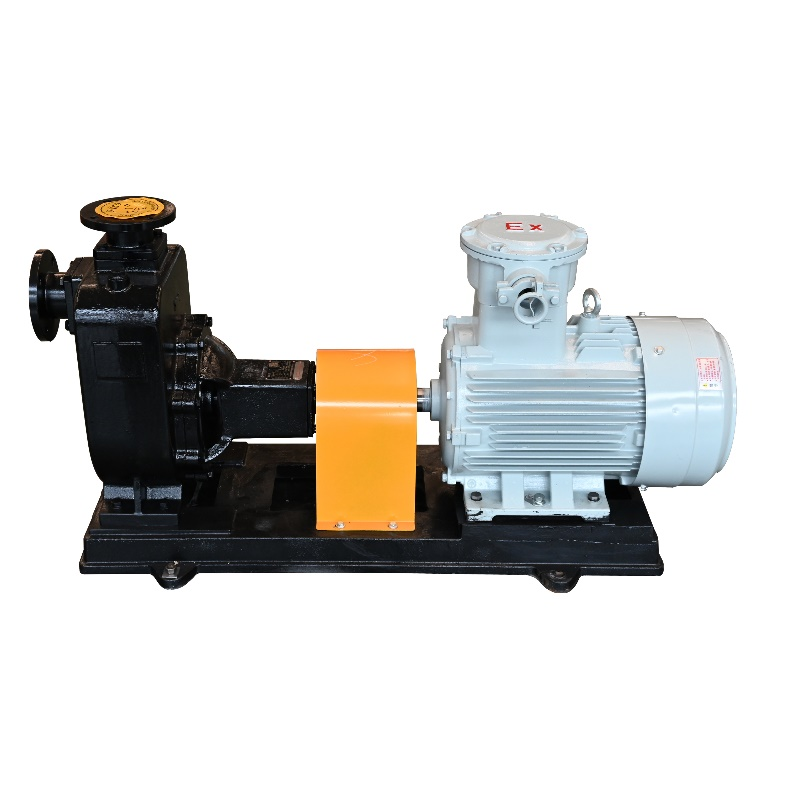
Immediate Readiness: How Self Priming Water Pumps Enable Rapid Deployment
Understanding the Working Principle of Self-Priming Pumps
Self priming water pumps work by getting rid of those pesky air pockets thanks to their vacuum system that keeps things moving. Inside these pumps, there's this spiral shaped part called a helical impeller which basically sucks out the air, pushing it through special valves while still keeping some water inside so the pump can kick back into action. The whole point is that they don't need someone to fill them up first before starting, which makes all the difference when setting them up in tricky spots like muddy ground after heavy rains or areas where water might be polluted from floods.
Automatic Priming Without Manual Intervention: Mechanism and Benefits
Built-in check valves and optimized volute geometry enable 87% faster priming cycles compared to standard centrifugal pumps (Fluid Dynamics Institute 2023). Operators gain three tactical advantages:
- Zero startup delays: No manual bleeding required even after transport
- Fail-safe restarts: Automatically re-primes if air enters during operation
- 24/7 readiness: Standby units remain primed for months
Case Study: Flood Relief Operations with Instant Pump Activation
In Lee County's 2022 flash floods, crews deployed 14 self-priming pumps within 90 minutes, draining 2.3 million gallons before waters breached evacuation routes. First responders prioritized these units specifically for their plug-and-play operation under driving rain conditions that rendered conventional pumps inoperable.
Critical Applications in Emergency Scenarios
Dewatering and Flood Control: Real-World Use During Flash Floods
Self priming water pumps are really good at getting rid of floodwater fast because they can deal with both air and water mixtures without needing someone to prime them manually. Take the 2023 Midwest floods as an example where city workers were able to pump out over 6,000 gallons per minute with these pumps, which shaved about 40 percent off the time needed to clear areas compared to older pump systems according to FEMA reports from last year. What makes these pumps stand out is their special design features like impellers that don't get clogged easily plus materials that resist corrosion, so they work well even in murky floodwaters full of trash and other debris. This becomes super important during emergencies when first responders have to deal with water that might be contaminated too.
Urban Stormwater Management with Intermittent Operation Capability
Houston and Miami have started installing self priming water pumps throughout their storm drain systems because they can kick back on automatically when there's a power outage. This feature really helps stop flooding when it rains all of a sudden, something that's becoming more of a problem lately. Storms just seem to be getting worse year after year, with reports showing about a 17 percent jump in intensity since around 2020. Traditional pumps need someone to go out and manually restart them after losing power, which isn't practical during those big storms everyone keeps talking about. These newer models stay ready to work even when the electricity flickers in and out, which happens quite often in older city infrastructure that's showing its age.
Application in Firefighting: Tactical Advantages in Rural and Remote Areas
Wildfire fighting crews rely on self priming water pumps for drawing water from shallow streams and portable storage units. These pumps deploy about 90 percent quicker compared to traditional engine driven options according to the latest fire safety guidelines released in 2024. What really matters is their impressive fuel economy, which lets them run nonstop for over 72 hours on just one tank of fuel. This becomes essential during wildfires where there's no established water supply nearby. The frames are made from lightweight aluminum too, coming in at around 32% lighter than regular models. This makes all the difference when firefighters need to move equipment quickly through rough terrain while responding to fast moving fires.
Operational Reliability During Repeated and Intermittent Use
Durability of Self Priming Water Pumps Through Frequent Start-Stop Cycles
Self priming water pumps today last much longer even after many start stop cycles, which makes them really important for emergencies where pumps need to work on and off. New impeller shapes plus materials that resist rust cut down on wear and tear about 32 percent over regular pumps according to Fluid Systems Journal from 2023. Maintenance stuff like checking seals automatically and keeping rotors balanced adds around 400 to 600 extra hours of life when these pumps are used in cycles. Looking at bigger picture, better reliability across fluid handling systems means less downtime overall. And that connection between staying online and being ready for emergencies just makes sense for anyone dealing with water management issues.
Controversy Analysis: Long-Term Reliability in Extended Power Outages
Self priming water pumps work great for quick emergencies, but folks still worry about how reliable they are when power stays off for days on end. Some experts point out that diesel models face bigger problems with vapor lock after running nonstop for around 60 hours, according to a study from the National Hydraulic Institute back in 2023. The good news? Manufacturers have built in safety features such as dry run sensors and extra cooling systems that help prevent overheating when the grid goes dark. Real world tests show these pumps actually performed pretty well too. During those terrible floods in Kerala last year, over 90 percent kept working even past what the manuals said was possible.
Performance Consistency in High-Stress, Crisis-Sensitive Environments
Tests conducted in actual disaster areas show that self priming water pumps keep about 98% consistent flow rates even when dealing with sediment concentrations as high as 12,000 parts per million. What really matters is how these pumps can restart themselves automatically after losing suction, something absolutely critical during fires or floods where there might not be electricity or someone around to monitor them. The latest tech improvements bring in IoT based diagnostics too. These systems can actually spot potential bearing problems anywhere from 8 to 10 hours before they fail completely. Municipalities are saving roughly $740,000 each year on repairs thanks to this early warning system according to Ponemon's research from 2023. When lives depend on equipment working properly, having both durable mechanics and intelligent monitoring makes all the difference for emergency responders who need reliable tools in their most challenging moments.
Integration into Municipal and Industrial Emergency Preparedness Plans
Trend: Inclusion of Self Priming Water Pumps in Official Disaster Response Kits
Cities are starting to put self priming water pumps at the top of their standard disaster preparedness lists because they work right away without any extra steps. According to a recent survey on urban resilience from 2023, around two thirds of municipalities have added these pumps to their plans for dealing with floods. The main reasons? They prime themselves automatically and can handle all sorts of debris that regular pumps struggle with. Regular water pumps need someone to set them up manually before they'll work, but self priming versions kick in almost instantly. This makes all the difference when trying to get people out of hospitals fast or protect important buildings during those unexpected flood events.
Strategy: Deploying Self Priming Units in High-Risk Urban and Industrial Zones
Putting self priming pumps close to areas prone to flooding such as subways, power stations, and places where chemicals are stored can cut down on emergency response time by about 15 minutes according to FEMA data from 2022. Cities along coasts have started placing these pumps every 500 meters along their levees so they can be deployed quickly when storms hit hard. This approach makes sense because it gets water moving faster before things get really bad.
- Permanent installation in underground flood control chambers
- Compatibility with backup power systems for 72+ hour operation
- Quarterly dry-run tests to maintain performance consistency
This approach transforms crisis management from reactive containment to pre-emptive resilience planning, particularly in regions facing climate-change-induced weather extremes.
FAQ
How do self priming water pumps differ from regular pumps?
Self priming water pumps can remove air pockets automatically, allowing them to be ready for use without manual intervention, unlike regular pumps that need priming before operation.
What are the advantages of automatic priming in emergency situations?
Automatic priming enables faster deployment, eliminates startup delays and provides fail-safe restarts, which are crucial in emergency scenarios like floods or power outages.
Can self priming pumps function during power outages?
Yes, self priming pumps are designed to work during power outages and can automatically restart, making them ideal for stormwater management in areas with frequent electrical failures.
Are self priming pumps reliable for long-term use?
They are quite reliable with built-in safety features to prevent overheating and issues like vapor lock, ensuring continued operation during extended power outages.