 EN
EN



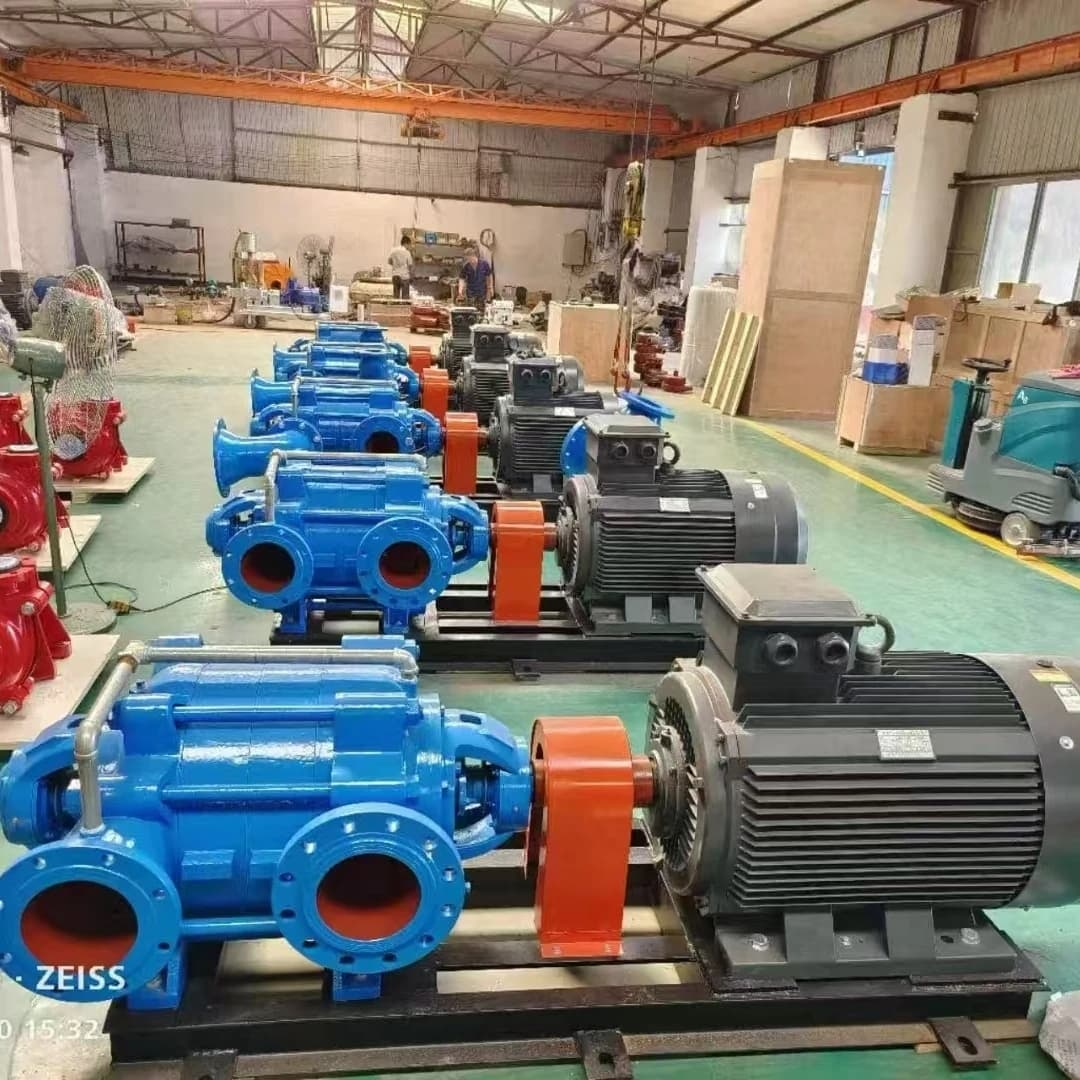
Design Advantages of Horizontal Centrifugal Pumps for Minimal Maintenance
Horizontal split-case construction: Fast, tool-free access to impellers and seals without pipe rework
Split case pumps have their casings cut right through the middle line, which means techs can get inside for inspection or repairs without having to take apart all those pipes first. Most maintenance tasks like checking out impellers or swapping out mechanical seals take just a few minutes work with regular wrenches and screwdrivers. No need to mess around with flange alignment or cut open any piping during routine service either. The way these pumps are built basically removes the risk of getting things misaligned when putting everything back together after maintenance. Maintenance shops report that downtime gets cut down somewhere around 70% compared to traditional end suction models. That kind of efficiency saves money because production lines don't stop as often for unexpected repairs.
Double-suction impeller design: Balanced axial thrust extends bearing life beyond 20,000 operating hours
Dual inlet impellers pull liquid evenly from each side of the shaft, which naturally balances out those pesky axial thrust forces. This means there's basically no net force pushing against the bearings anymore something that causes early failures in standard single suction models all the time. According to various engineering reports, bearings experience around 45 percent less radial stress when these dual inlet systems are used, so vibrations drop off and general wear gets cut down substantially. Most maintenance shops report that bearings last well past 20 thousand operating hours during regular duty cycles, allowing plants to run continuously for months at a stretch without worrying about unexpected breakdowns interrupting production schedules.
Heavy-duty bearing housings with extended grease intervals (â¥6 months) per HI-compliant OEM specifications
Bearing housings built for industrial applications go beyond what the Hydraulic Institute (HI) considers durable enough. They have stronger frames, those special labyrinth seals that keep grease inside but stop water and dirt from getting in, plus better heat control features. When following manufacturer specs based on HI 20.3 rules, most of these housings can go six months between grease applications during regular operation. That cuts down on maintenance work by around two thirds each year. The longer time between needed services lines up well with scheduled factory shutdown periods, which makes sense for operations where downtime costs money and equipment failures are not an option.
Total Cost of Ownership: Why Horizontal Centrifugal Pumps Deliver Lower Maintenance TCO
CAPEX vs. OPEX trade-off: 42% lower 10-year TCO despite higher initial investment (2023 HI Lifecycle Cost Study)
Horizontal centrifugal pumps do cost more when first purchased compared to vertical or submersible options, but they tend to save money over time because they're easier to maintain and work better hydraulically. According to research from the Hydraulic Institute in 2023, these pumps actually cut down on total costs by about 42% over ten years when compared against submersible models. Why? Well, part of it is just using less energy throughout their lifespan, which accounts for roughly 40% of all expenses. Plus, they last longer between breakdowns, so there's less downtime. And best of all, no need for those expensive special tools or equipment whenever maintenance needs doing. For businesses that care more about what something costs in the long run rather than just the sticker price at checkout, switching to horizontal centrifugal makes real financial sense.
Reduced labor dependency: 72% fewer scheduled maintenance interventions vs. submersible alternatives
According to industry data, horizontal centrifugal pumps need about 72% fewer regular maintenance sessions compared to their submersible counterparts. The design of these pumps with split cases makes it possible to replace seals, check bearings, and adjust impeller clearances right at ground level. No need to pull the whole unit out of sumps or tight spots during routine checks. Maintenance on submersibles usually takes anywhere from 3 to 5 hours because workers have to drain water first, then lift and reinstall the equipment. With horizontal models, most of these same jobs can get done in less than half an hour. Over the course of a year, this difference cuts down on labor time by nearly 60%. Plus, there's significantly less risk involved since technicians don't have to enter those dangerous confined spaces as often for repairs.
Smart Maintenance Enablement: IoT Integration for Predictive Care of Horizontal Centrifugal Pumps
Real-time vibration and temperature analytics cut unscheduled downtime by up to 68%
Today's horizontal centrifugal pumps come equipped with IoT sensors that keep tabs on things like bearing temperatures, vibrations, and those tricky rotational patterns. These smart systems feed data into machine learning models which spot problems long before they become disasters. Think about things going wrong slowly over time - maybe an imbalance starts forming, parts get misaligned, there's the beginnings of cavitation, or lubrication just stops working properly. Plants that have implemented this kind of predictive monitoring tell us they've seen around 65-70% less unexpected downtime than what used to happen with old fashioned reactive maintenance approaches. And emergency fixes? Those drop down by roughly two thirds too when facilities switch to this proactive approach.
Cloud-based runtime-triggered maintenance alertsâreplacing calendar-based servicing
Horizontal pumps connected to IoT systems change how maintenance gets done, moving away from fixed schedules to protocols that respond to actual conditions. The cloud processes live data from sensors and sends out specific alerts when needed. For instance, it might warn about seals wearing down past 90% of their lifespan, signal when it's time for greasing based on how long the pump has been running, or suggest replacing bearings if there are unusual friction patterns detected. According to research published in maintenance journals, this approach not only makes parts last longer but also means fewer unnecessary service calls and saves between 30 and 45 percent on labor costs for maintenance work. What matters most is that these alerts come through only when something actually needs attention, so technicians aren't wasting time on problems that don't exist yet.
FAQs
What are the advantages of horizontal split-case construction in centrifugal pumps?
The horizontal split-case construction allows for tool-free access to the internals, like impellers and seals, which simplifies maintenance without requiring pipe disassembly and reduces downtime by about 70% compared to traditional models.
How does a double-suction impeller design benefit centrifugal pumps?
A double-suction impeller design balances axial thrust forces, reducing wear on bearings and extending their operational life above 20,000 hours, thus minimizing maintenance frequency and availability of the equipment.
What role do IoT sensors play in maintaining horizontal centrifugal pumps?
IoT sensors provide real-time data on vibrations and temperatures, allowing for predictive maintenance that prevents unscheduled downtimes. These systems reduce unexpected maintenance by up to 68% by sending alerts only when necessary.
Table of Contents
-
Design Advantages of Horizontal Centrifugal Pumps for Minimal Maintenance
- Horizontal split-case construction: Fast, tool-free access to impellers and seals without pipe rework
- Double-suction impeller design: Balanced axial thrust extends bearing life beyond 20,000 operating hours
- Heavy-duty bearing housings with extended grease intervals (â¥6 months) per HI-compliant OEM specifications
- Total Cost of Ownership: Why Horizontal Centrifugal Pumps Deliver Lower Maintenance TCO
- Smart Maintenance Enablement: IoT Integration for Predictive Care of Horizontal Centrifugal Pumps
- FAQs