 EN
EN



Determine System Requirements Using Water Source and Field Data
Assess groundwater depth, surface water reliability, and water quality impact on pump longevity
The depth of groundwater determines how high a pump can suck water up from below ground level. Generally speaking, anything deeper than about 8 meters usually needs a submersible pump installed down there to prevent cavitation problems. When dealing with surface water sources, seasonal changes matter a lot too. Places prone to drought should plan for around 30 percent extra storage capacity according to some recent research on irrigation systems in dry climates. Water quality plays a big role in equipment longevity as well. If salt content goes over 500 parts per million or sediment levels get above 50 milligrams per liter, this tends to wear out impellers and seals much faster. Equipment life drops somewhere between 40 to 60 percent in these brackish situations. Regular checks for things like pH balance, water hardness, and particle content help determine when maintenance work is needed and ultimately keeps the whole system running properly over time.
Calculate total dynamic head (TDH) with elevation, pipe length, fittings, and friction loss
Total Dynamic Head (TDH) represents the full resistance your pump must overcome—including static lift, pipe friction, and fitting losses. Begin with vertical elevation change: each 2.31 feet adds ~1 psi. Then apply the Hazen-Williams equation to estimate friction loss: TDH = Static Lift + (Pipe Friction Loss – Length) + (Fitting Equivalent Length – 0.1)
For example:
- 100 ft elevation gain = 43.3 psi
- 500 ft of 6-inch PVC (C = 150) at 800 GPM = 12 psi
- 15 elbows – 75 ft equivalent length – 7.5 psi
Total TDH – 63 psi (–145 ft head), a key benchmark for selecting appropriately rated pumps. Underestimating TDH contributes to 27% of premature pump failures in agricultural systems.
Match Pump Type to Application: Centrifugal, Submersible, and Turbine Water Pump Options
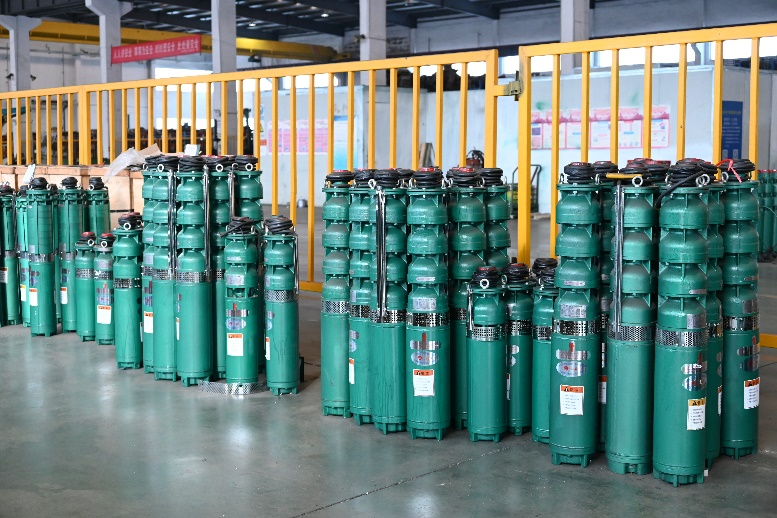
Selecting the proper pump depends largely on three factors: how efficient it is, whether maintenance can be easily accessed, and what kind of space limitations exist at the installation site. Centrifugal models tend to be cheaper initially when moving water across surfaces, but they struggle with suction lift issues. Performance really takes a hit once past about seven meters. Submersible pumps take care of the priming problem entirely and work pretty well even down around 100 meters depth with efficiencies hitting or exceeding 80 percent. The downside? Getting them out for servicing causes quite a bit of operational disruption. For those dealing with deep wells and situations requiring significant head pressure, turbine pumps are often the go to choice since they maintain good efficiency levels above 75%. However these units demand careful installation alignment and ongoing attention to their bearings which adds another layer of maintenance complexity.
Efficiency, Maintenance, and Installation Trade-offs Across Large-Scale Farming Conditions
Centrifugal units achieve 60–70% efficiency in open reservoirs but lose 15–20% when lifting beyond 7 meters. Submersibles maintain consistent flow and efficiency under depth but demand waterproof cabling and incur higher service logistics costs. Turbines excel above 50 meters of lift yet need specialized installation and disciplined preventive maintenance.
Real-World Performance: Submersible Water Pump Adoption in High-Yield Rice Irrigation
Farmers across rice growing areas in Southeast Asia have found that using submersible pumps saves around 35 percent on energy costs compared to those old centrifugal models they used before. These pumps maintain about half a bar of pressure which works great for keeping fields flooded properly. The design is pretty smart actually since the intake sits underwater so it doesn't suck up all that muddy stuff from the bottom. That means these pumps last much longer between maintenance checks, sometimes getting through 8,000 operating hours before needing attention. And when water keeps flowing consistently during those crucial plant development periods, something interesting happens. Rice yields go up significantly, with some farms reporting nearly a quarter more harvest from their continuously flooded paddies after switching systems.
Align Water Pump Performance with Crop-Specific Irrigation Demands
Sizing flow rate (L/s) and pressure (bar) to drip, sprinkler, and flood systems by crop stage
Water requirements for crops change quite a bit through different growth phases, so farmers need to adjust both flow rates and pressure accordingly. For drip systems to work properly during germination, they typically run between 1 to 4 liters per second with pressures around 1 to 3 bars to keep those tiny emitters from getting clogged. When it comes to sprinklers, things look different. They generally require somewhere between 5 and 15 liters per second at pressures ranging from 2 to 5 bars to make sure water spreads evenly as plants grow taller and their canopies spread out. Flood irrigation, which many rice growers rely on during maturation, works best with very low pressure below 1 bar but needs a lot of water flow, often over 20 liters per second when plants are taking up water most actively. Getting this wrong costs money. Take tomatoes for example. If someone forgets to increase the system from 5 liters per second during the vegetative stage to about 8 liters per second when fruits start forming, roughly 30% of all that water just runs off or evaporates away. That's why matching pump capacity to what crops actually need at each stage matters so much.
Prioritize Energy Efficiency and Lifecycle Cost for Sustainable Water Pump Operation
Looking at the big picture, energy costs eat up most of what farmers spend over time on equipment — around 45% according to various industry reports. The actual purchase price is only about 17%, and regular maintenance adds another quarter of the total expense. Going for those high efficiency models with variable speed drives really pays off in the long run. They cut down energy consumption by roughly 30% compared to standard machines, so the investment typically pays for itself after two to three growing seasons. When evaluating costs, don't forget to look beyond what's written on the price tag. A proper life cycle analysis should factor in local electricity rates, how often parts need replacing, and how long the equipment will last before needing major repairs. Many growers overlook these hidden costs, such as oversized pumps that waste power when they're not working at full capacity, or undersized systems that keep turning on and off all day long. Modern smart control systems make a huge difference too. These gadgets adjust water flow based on what crops actually need right now and current weather conditions, which means no wasted operation time during rain showers when irrigation isn't necessary.
FAQ Section
What is the role of groundwater depth in choosing a pump?
The depth of the groundwater affects the type of pump needed; anything deeper than 8 meters typically requires a submersible pump to prevent cavitation.
How do you calculate Total Dynamic Head (TDH)?
TDH is calculated by considering static lift, pipe friction, and fitting losses through a formula incorporating these elements, with the Hazen-Williams equation handling friction loss.
Which pump types are best for various applications?
Centrifugal, submersible, and turbine pumps cater to different needs based on efficiency, maintenance access, and space limitations.