 EN
EN



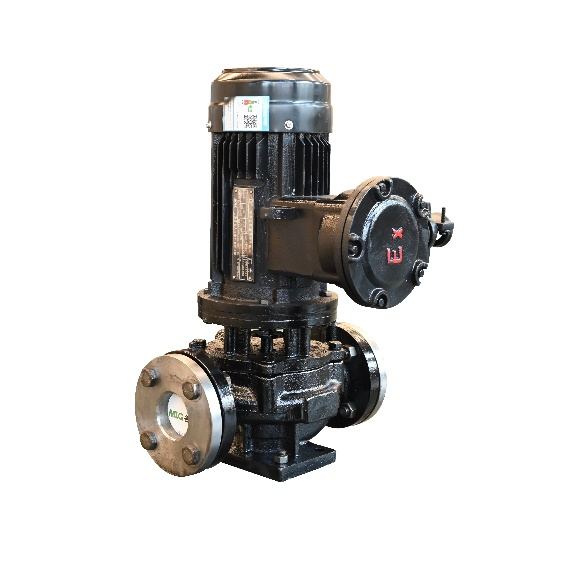
Core Determinants of Centrifugal Water Pump Reliability
Mechanical Integrity: Bearing Life, Shaft Alignment, and Seal Performance
More than half of all problems with centrifugal water pumps come down to mechanical issues. When bearings get proper lubrication and alignment, they often last well past 50,000 hours of operation. But even small misalignments matter a lot - anything over 0.002 inches in misalignment can triple the rate of wear on these components. Looking at vibration data tells us something similar: around seven out of ten early bearing failures happen because the shaft isn't properly aligned or balanced. Mechanical seals present another challenge. Without regular checks, most will start failing after just two years, which means higher chances of leaks. And when fluids do get into the system through failed seals, this actually causes nearly 4 out of every 10 bearing failures. That's why many maintenance teams now rely on laser alignment tools and continuous pressure monitoring systems for seals. These approaches have shown real results in stopping the gradual breakdown process before it gets too costly.
Hydraulic Stability: Cavitation Margin, NPSHr vs. NPSHa, and Flow-Induced Vibration
Pumps suffering from hydraulic instability tend to last about 40% less time before needing replacement. Keeping the Net Positive Suction Head Available (NPSHa) at least three feet higher than the Net Positive Suction Head Required (NPSHr) remains the best defense against this problem. This safety margin stops cavitation from happening, which can wear down impellers by roughly 0.1 inch each year through those powerful implosions. When pumps operate outside their acceptable operating range, flow vibrations get really intense. These vibrations create damaging resonant frequencies that hit around ten times what's normal during regular operation. For stable hydraulic performance, proper suction line design matters a lot. Minimizing elbows in the piping and steering clear of sudden diameter changes helps control turbulence and keeps things running smoothly overall.
System Matching: Why Pump Selection Must Align with Duty Point, Pipeline Dynamics, and Control Strategy
When pumps don't match their systems, they can waste around 30% of available energy and make failures much more likely. Getting this right means matching what the system actually needs (flow rate and pressure head requirements) to where the pump works best, known as its Best Efficiency Point or BEP for short. The pipes themselves matter too. Things like how many bends there are, what kind of valves get installed, even how rough the inside surfaces feel all affect how much pressure the pump needs to generate. Then there's the question of controls. Traditional throttle valves tend to cost about 25% in efficiency losses compared to modern Variable Frequency Drives (VFDs) that keep pumps running closer to their optimal performance range when conditions change. Good integration between the whole system and pump setup cuts down on those pesky radial forces by roughly two thirds and generally adds three to five extra years before maintenance becomes necessary.
Preventive Maintenance Strategies for Extended Centrifugal Water Pump Service Life
Condition-Based Monitoring: Vibration Analysis, Temperature Trends, and Seal Leakage Detection
Condition based monitoring changes how maintenance gets done, moving away from fixed schedules toward actions based on actual equipment conditions. When it comes to vibration analysis, this method can spot problems like early stage bearing wear or shaft misalignment simply by looking for unusual frequency patterns long before real damage happens. Checking temperatures continuously on things like motor windings and bearing housings helps catch overheating issues that often point to lubrication problems or hydraulic system imbalances. For seal integrity checks, ultrasonic leak detectors come into play. These devices can find tiny pressure losses at mechanical seals down to about 0.1 gallons per hour sensitivity level, which stops fluids from getting where they shouldn't be. And we know why this matters because around 40 percent of all bearing failures actually start with such leaks. Putting all these diagnostic tools together makes a big difference too, cutting down unexpected equipment shutdowns by as much as two thirds and significantly increasing the time between necessary repairs.
Smart Integration: How VFDs and IoT Sensors Enable Predictive Interventions
The combination of VFDs and IoT sensors creates what many call a predictive maintenance ecosystem in industrial settings. These variable frequency drives adjust motor speeds so equipment runs at its best efficiency point, which stops problems like fluid recirculation and those pesky radial forces that really beat up bearings over time. When we look at the sensor side, these IoT devices monitor things like shaft movement, oil thickness changes, and strange power consumption patterns, sending all this information to online analysis systems. Smart algorithms then check current readings against past failure records to spot early warning signs such as when cavitation starts happening or seals begin to fail - sometimes weeks ahead of traditional monitoring approaches. With these insights, maintenance teams can take action sooner, whether it means topping off lubricants automatically or tweaking impeller clearances manually. The result? Plants save around 18 to 25 percent on energy costs and often get another few years out of their pumps compared to the standard 15 year lifespan most expect.
Optimal Operational Practices to Sustain Centrifugal Water Pump Performance
Operating Within the Hydraulic Acceptable Operating Region (AOR) and Avoiding Recirculation
The Hydraulic Acceptable Operating Region, commonly known as AOR, generally covers between 70 to 120 percent of Best Efficiency Point flow. This area represents where things stay pretty much stable for the fluid dynamics and keeps recirculation at bay. When pumps run below this threshold, they start experiencing suction recirculation problems. What happens then? Vapor bubbles form and collapse right near the impeller eye, which leads to surface erosion over time. Even worse stuff occurs when discharge recirculation drops below 60% BEP. High energy vortices begin forming that wear out bearings and bend shafts away from their proper alignment. The numbers don't lie either - pumps running outside the AOR face roughly three times more seal failures than those staying within these boundaries. To keep everything running smoothly, operators need real time monitoring through flow meters and differential pressure sensors. These should be combined with quick responses from variable frequency drives or valve adjustments to maintain those safe operating conditions consistently.
BEP-Centric Control: Reducing Radial Thrust, Bearing Wear, and Efficiency Decay
Operating near the Best Efficiency Point (BEP) balances hydraulic pressure across the impeller, eliminating uneven radial thrust on bearings—a key factor in extending mechanical service life by up to 40% (Hydraulic Institute, 2022). Deviations from BEP trigger nonlinear deterioration:
- 10% below BEP: Radial forces increase 200%, accelerating bearing fatigue
- 20% above BEP: Efficiency drops 8–12%, and recirculation risks rise markedly
VFDs enable precise, demand-responsive BEP targeting—reducing vibration, seal stress, and shaft misalignment while preserving energy efficiency and long-term reliability.
FAQ
What is the main cause of mechanical issues in centrifugal water pumps?
More than half of mechanical issues arise from improper lubrication and misalignment of bearings and shafts.
How does hydraulic instability affect pump lifespan?
Pumps with hydraulic instability generally last about 40% less time before needing replacement.
What are the benefits of using Variable Frequency Drives (VFDs) in pump systems?
VFDs improve energy efficiency, reduce radial forces on bearings, and help maintain pumps near the Best Efficiency Point, thereby extending lifespan.
How can condition-based monitoring aid in pump maintenance?
Condition-based monitoring detects issues like early bearing wear or misalignment through vibration analysis and temperature checks, allowing for timely interventions.