 EN
EN



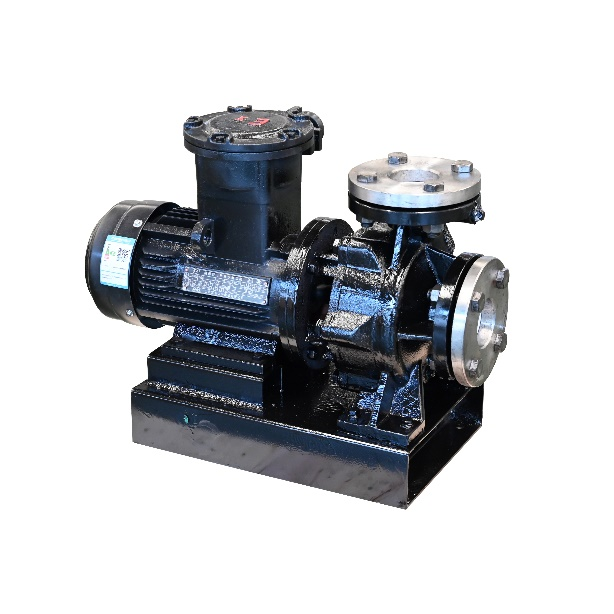
Material Selection Strategies for OEM-Specific Operating Environments
Corrosion-Resistant Alloys (SS316L, Duplex, Hastelloy) in Horizontal Centrifugal Pump Wetted Parts
When it comes to moving brackish water around, SS316L holds up pretty well against chlorides. But if we're talking about seawater service, duplex stainless steels really shine. They cut down on those pesky pits forming in the metal surface, bringing corrosion rates below 5 mils per year according to recent NACE studies from last year. Now when dealing with hot sulfuric acid situations, there's no substitute for Hastelloy C-276. Regular stainless just can't take the heat and usually fails completely after about half a year in these conditions. On the flip side, equipment lined with Hastelloy lasts way longer. We've seen installations where these special impellers run three times as long between breakdowns compared to regular 316 stainless in super acidic environments where pH drops below 2. Makes sense why so many plants are switching over now.
When Standard Cast Iron Outperforms Exotic Alloys: Low-pH Slurry Applications and Lifecycle Cost Realities
When dealing with abrasive materials in slightly acidic conditions around pH 4 to 6, cast iron actually creates protective oxide layers that stand up better against wear and corrosion than some fancy alloy alternatives, all while saving about 30% on initial costs. Take phosphate slurry transfer systems as a real world example from the Minerals Processing Journal back in 2022. Duplex steel pumps typically need replacing every 14 months or so, whereas good old cast iron can last nearly five years before needing attention. The bottom line is pretty clear when looking at long term expenses rather than just what something costs when purchased.
| Material | Initial Cost | Replacement Frequency | 10-Year TCO |
|---|---|---|---|
| Super Duplex | $28,000 | 18 months | $186,000 |
| Cast Iron | $9,500 | 5 years | $19,000 |
Where pH-neutral abrasives dominate—such as in many mining applications—overengineering with premium alloys inflates total cost of ownership without commensurate reliability gains, making cast iron the technically sound and economically rational choice.
Surface Engineering: Coatings That Extend Service Life in Demanding OEM Installations
PTFE Lining for Chemical Compatibility in API Process Lines
PTFE linings offer exceptional resistance to chemicals in horizontal centrifugal pumps dealing with harsh substances like concentrated acids, various solvents, and hydrocarbon mixtures found throughout API processing systems. The material's inert nature stops corrosive reactions from happening on pump parts that come into contact with these aggressive media, which means equipment lasts anywhere from three to five times longer than standard metal surfaces would in pharmaceutical manufacturing or oil refining operations. Plus, because PTFE has those famous non-stick properties, it cuts down on buildup inside the pump chambers. This helps maintain proper fluid flow rates without clogging issues developing over months of operation in demanding industrial environments.
Rubber and Ceramic Coatings for Abrasion Resistance in Mining and Wastewater Horizontal Centrifugal Pumps
For high-solids applications, targeted surface engineering delivers measurable durability gains:
- Elastomeric rubber linings absorb impact energy and dampen cavitation pulses in wastewater treatment pumps, reducing cavitation-related damage by 40%.
- Alumina ceramic coatings, with hardness exceeding 1,200 HV, resist abrasive wear from silica-rich mining slurries far more effectively than bare metal or polymer alternatives.
Together, these solutions reduce component replacement frequency by up to 60% in demanding slurry services—without compromising pump efficiency or requiring hydraulic redesign.
Drive System Integration: Motor and Control Flexibility for Compact OEM Skids
Variable-Speed Drives (VSD) and IEC Frame Compliance in Horizontal Centrifugal Pump Assemblies
Integrated motor drive systems today merge IEC compliant motors with internal variable speed drives, which cuts down on those bulky external control cabinets we used to need. The installation space required drops somewhere between 30 to 40 percent compared to older setups. When manufacturers stick strictly to IEC size standards, these units just fit right into existing equipment without needing expensive mechanical changes. Variable speed drives work their magic by adjusting motor speeds to match actual demand, saving anywhere from 25 up to half the energy normally consumed in applications where loads change constantly, think HVAC systems circulating air or chemical plants running batches. What really makes these systems stand out though is how they bring together diagnostic tools, rugged designs that withstand vibrations, and much simpler wiring schemes all at once. These combined features cut down overall ownership expenses around 18 percent when compared to separate motor and drive installations. For facilities dealing with tight spaces or needing quick deployment on skid mounted systems, this integration has become the go to choice among engineers looking for efficiency.
Sealing Solutions Meeting API 682 and Hazardous Area Standards
Double Mechanical Seals with Quench Systems for High-Pressure Hydrocarbon Transfer
For horizontal centrifugal pumps dealing with those really high pressure hydrocarbons above 50 bar, double mechanical seals combined with quench systems have become standard practice across the industry. These setups go beyond what API 682 Category 1 actually requires. When we add in a pressurized barrier fluid system following Plan 53A or B guidelines, fugitive emissions stay well under that 100 ppm threshold which is essential for compliance in ATEX and IECEx Zone 1 areas where there's potential for explosion hazards. Injecting something like steam or solvent between the actual seal faces helps stop hydrocarbon polymerization from happening, and that's one of the main reasons why seals fail in refinery operations. The primary seal faces made from silicon carbide can handle all sorts of gritty stuff mixed into crude oil, and the secondary seals constructed from perfluoroelastomers don't crack when exposed to hydrogen sulfide. Real world testing indicates these dual seal configurations cut down on unexpected downtime by about 40 percent when compared to just using single seals in similar high pressure applications involving hydrocarbons.
FAQ
What are the best materials for resisting corrosion in pumps?
For brackish water, SS316L is effective against chlorides. In seawater, duplex stainless steels perform better. Hastelloy C-276 is best for hot sulfuric acid conditions.
How does cast iron compare to exotic alloys in slurry applications?
In low-pH slurry applications, cast iron can outperform more expensive alloys due to its protective oxide layers, resulting in cost savings and longer life.
What coatings help extend the service life of pumps?
PTFE linings and rubber or ceramic coatings are effective in extending pump life. PTFE protects against harsh chemicals, while rubber and ceramic resist abrasion.
How do variable-speed drives benefit pump assemblies?
Variable-speed drives reduce energy consumption by adjusting motor speeds to actual demand, resulting in significant space and cost savings in pump assemblies.
Why are double mechanical seals used in high-pressure systems?
Double mechanical seals with quench systems prevent polymerization and enhance reliability, particularly in high-pressure hydrocarbon environments, reducing downtime by about 40%.
Table of Contents
- Material Selection Strategies for OEM-Specific Operating Environments
- Surface Engineering: Coatings That Extend Service Life in Demanding OEM Installations
- Drive System Integration: Motor and Control Flexibility for Compact OEM Skids
- Sealing Solutions Meeting API 682 and Hazardous Area Standards
- FAQ