 EN
EN



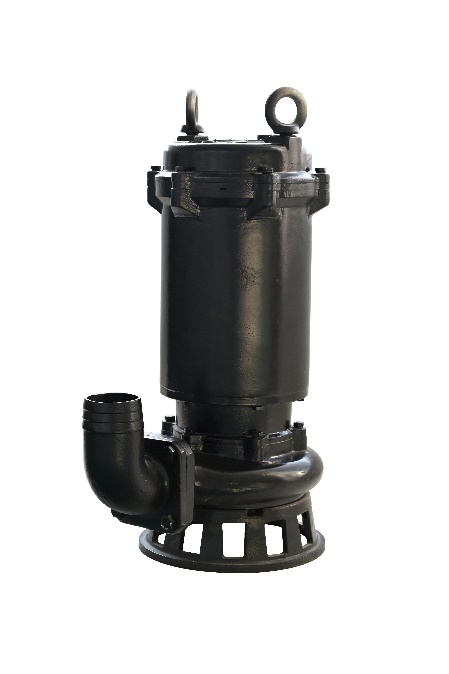
Predictive Maintenance Enabled by IIoT-Integrated Sewage Pumps
Real-time health monitoring: How embedded IIoT sensors cut unscheduled maintenance by up to 45%
The Industrial Internet of Things has really changed how we maintain sewage pumps these days. These smart sensors keep an eye on important stuff like vibration levels, temperature changes, and pressure fluctuations all the time. They catch problems early on when bearings start wearing down or when there's an imbalance in the impeller. With this kind of constant monitoring, plant managers can actually fix issues before they cause complete breakdowns. According to recent industry reports from Ponemon Institute in 2023, facilities that have implemented IIoT technology in their pumping systems see around 45 percent reduction in those unexpected repair situations. Technicians get automatic notifications so they can plan maintenance work during times when demand is lower rather than scrambling at inconvenient moments. Take abnormal vibrations for instance. When these show up, specific maintenance procedures kick in automatically to stop major motor failures from happening. This proactive approach saves mid sized treatment plants approximately 740 thousand dollars each year just on downtime alone.
AI-driven failure prediction in sewage pump systems: Lessons from the City of Austin Wastewater Division (2023)
When machine learning models get fed historical IIoT data, they can actually predict how long components will last pretty accurately around 92% of the time according to recent tests. Take what happened in Austin last year for example. The city rolled out some AI systems that looked at pump performance data as it came in alongside old maintenance records. These systems spotted potential seal failures weeks before they would happen sometimes as early as 30 days ahead. That allowed technicians to replace parts during scheduled maintenance windows instead of dealing with emergency breakdowns, which cut down on those surprise pump replacements by about two thirds. Looking at motor current patterns over time helped detect early signs of blockages too. This approach eliminated roughly four out of five wet well cleaning jobs that used to be routine. A recent look at IIoT predictive maintenance setups shows these kinds of smart integrations typically bring down overall costs by around a quarter when companies plan better for spare parts and allocate labor more efficiently across their operations.
| Maintenance Approach | Downtime Hours/Year | Emergency Repair Costs | Energy Waste |
|---|---|---|---|
| Scheduled (Traditional) | 120 | $210k | 18% |
| IIoT Predictive (Deployed) | 32 | $48k | 7% |
| Data reflects average outcomes across 12 wastewater facilities (WaterTech Journal 2024) |
Clog-Resistant, High-Solids Handling Sewage Pump Designs
Eddy current and vortex impeller technologies: Eliminating blockages and slashing service frequency by 60%
Today's sewage pumps use specially designed impellers that can tackle wastewater loaded with solids without breaking down. The vortex impellers work by creating centrifugal forces that keep those pesky solids floating in the water instead of getting stuck on the vanes, which cuts down on jams significantly. There's also eddy current tech involved here too, which basically uses magnetic fields to spot and push away all those annoying fibers before they even get close to where things could go wrong. Put all this together and these systems can move through stuff as big as 3.5 inches across like rags, wipes, and all sorts of organic junk without clogging up. Plants that switched to these newer designs are seeing around 60% less downtime for maintenance because there's just not as much wear and tear happening anymore. Plus, wider volutes, better hydraulic designs, and improved handling of thick fluids means these pumps keep running efficiently even when faced with tough conditions day after day.
Dry Pit Sewage Pumps: Lowering Labor, Corrosion, and Lifecycle Costs
Dry pit sewage pumps cut down on both risks and expenses because they keep motors and electrical parts safely above the wastewater level. The setup means workers don't have to enter tight spaces or handle gear underwater, which saves around 30 to 40 percent in maintenance time compared to those submersible models everyone else uses. Components aren't sitting in corrosive stuff all day long either, so things like pump housings and control panels tend to last anywhere from five to seven extra years. Safety for staff gets better too since there's less contact with dangerous materials. Sure, upfront costs go up somewhere between 15 and 20 percent, but when looking at everything over time, most companies see about a 35 percent drop in overall spending thanks to longer lasting parts, fewer replacements needed, and not having to deal with unexpected breakdowns. Still worth noting though that flood protection is important business for these installations since heavy rains can still get into dry pits if proper safeguards aren't in place during storm seasons.
Energy-Efficient Sewage Pumps Engineered for Long-Term Reliability
Integrated motor-pump optimization: Reducing both energy consumption and mechanical wear simultaneously
Sewage pumps designed for energy efficiency offer two main advantages at once lower electricity bills and longer lasting equipment thanks to how the motor and pump components work together closely. When manufacturers combine advanced water flow designs with those top tier IE4 efficiency motors, they manage to slash energy usage somewhere around 15 to maybe even 30 percent when compared against older versions of these systems. The Variable Frequency Drive technology makes all the difference here too. These drives adjust pumping speed based on what's actually needed at any given moment, so no extra power gets wasted while also protecting against the wear and tear caused by constant starting and stopping cycles. According to data from the Wastewater Industry Benchmarking Consortium back in 2023, this kind of system can last almost twice as long before needing maintenance or replacement parts.
- Stable flow conditions that suppress cavitation
- Balanced torque transmission to prevent bearing overload
- Reduced thermal stress that slows seal degradation
Corrosion-resistant alloys in wetted components ensure long-term integrity in abrasive, chemically aggressive sewage environments. The result is a compounding effect: energy savings directly translate into mechanical longevity, extending asset lifespans by more than 25% beyond standard equipment.
FAQ
What is IIoT and how does it benefit sewage pump maintenance?
The Industrial Internet of Things (IIoT) refers to the integration of smart sensors and data analysis technologies in industrial equipment. In sewage pump maintenance, IIoT enables real-time monitoring of vibration, temperature, and pressure, allowing for early problem detection and reducing unscheduled maintenance by up to 45%.
How do AI-driven predictions improve sewage pump system management?
AI-driven models analyze historical IIoT data to predict component lifespan and potential failures. This method allows maintenance teams to perform repairs during scheduled maintenance instead of emergencies, significantly reducing unexpected pump replacements.
What are the benefits of using dry pit sewage pumps over submersible models?
Dry pit pumps place motors above wastewater, reducing corrosion risks and simplifying maintenance. While they may have higher initial costs, they lower overall lifecycle expenses by reducing the risk of component deterioration and decreasing maintenance time by 30% to 40%.
How do energy-efficient sewage pumps contribute to long-term reliability?
Energy-efficient pumps with advanced designs and Variable Frequency Drives optimize energy use and reduce mechanical wear. This leads to lower operational costs and extends the lifespan of equipment by over 25% compared to standard models.