 EN
EN



Understanding Total Dynamic Head for Deep Well and Long-Distance Applications
Why static water level alone misleads pump selection
Over 60% of early failures in electric submersible pumps for deep wells can be traced back to relying just on static water level readings according to recent data from the U.S. Department of Energy. What many overlook is that static levels don't account for several important resistance elements. First there's the effort needed to lift water vertically to ground level. Then comes the friction as it travels through pipes horizontally across fields. And finally, getting the water up to whatever elevated storage tanks or irrigation systems exist at the end point adds another layer of challenge. Many farm operators who stick with static depth measurements end up installing pumps that simply aren't strong enough for what they actually need. These undersized units tend to cycle on and off constantly, suck in dirt and debris from lower depths, and eventually overheat when pressure falls beneath 30 pounds per square inch. Getting proper total dynamic head calculations done ahead of time makes all the difference. This approach gives farmers a realistic picture of how much resistance their entire system will face, helping them pick pumps that match real world conditions rather than theoretical numbers.
How TDH unifies vertical lift, pipe friction, and elevation gain
TDH combines all hydraulic resistance components into a single metric using this formula:
TDH = Vertical Lift (feet) + Friction Loss (feet) + Elevation Gain (feet)
Friction loss proves especially critical in long-distance applications. For example, pumping 35 GPM through 1,500 feet of 1.25" PVC pipe adds 87 feet of equivalent head pressureâexceeding the lift required in many 200-foot wells. Key variables affecting friction loss include:
| Factor | Low Impact Scenario | High Impact Scenario |
|---|---|---|
| Pipe Diameter | 2-inch (+15 ft TDH) | 1-inch (+110 ft TDH) |
| Flow Rate | 20 GPM (+22 ft TDH) | 50 GPM (+140 ft TDH) |
| Pipe Material | HDPE (+8% friction) | Corroded steel (+35% friction) |
When talking about vertical lift, we're looking at how far the pump needs to pull water from where it sits underwater all the way up to where it gets discharged. So if a pump is hanging down there 50 feet beneath a water level that's sitting at 200 feet deep in the well, guess what? The pump still has those full 200 feet to contend with plus whatever extra resistance comes from moving water sideways through pipes. And don't forget about pressure calculations either. For anyone dealing with systems that need specific pressure at outlets such as those irrigation manifold setups, remember this rule of thumb: figure on adding around 2.31 feet of head pressure for each pound per square inch needed at the end point. Makes sense when thinking about how pumps actually work in practice.
Matching Electric Submersible Pump Specifications to Depth and Distance
Optimal horsepower range (3â5 HP) for 110â325 ft deep wells with lateral runs >1,000 ft
Electric submersible pumps rated between 3 to 5 horsepower work best for wells ranging from about 110 to 325 feet deep when the discharge lines run over 1,000 feet long. These pumps strike a good middle ground between having enough power and being efficient with energy consumption. They keep the pressure above 40 psi at the far end points without wasting electricity. Going too small leads to problems with water flow dropping off, but going too big just wears out equipment faster. According to research from the US Department of Energy, pumps with around 3.5 horsepower perform roughly 30 percent better in efficiency compared to smaller ones when installed in 250 foot deep wells connected to 1,500 foot lateral lines. This improved efficiency translates into real savings on operating expenses over time for most installations.
Multi-stage stainless steel impellers: Enabling 400+ ft TDH at 25â50 GPM sustainably
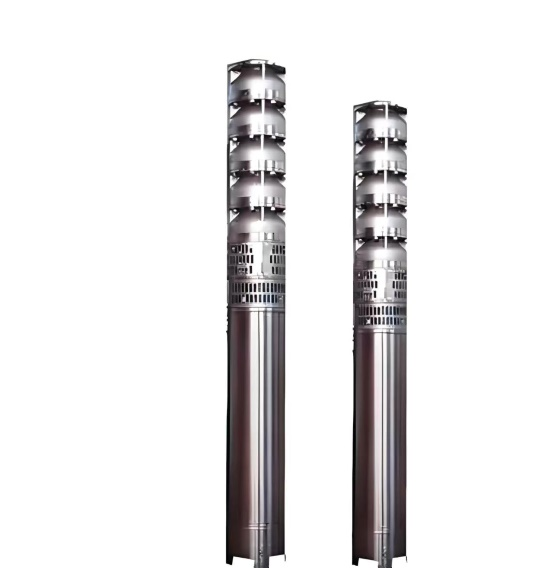
When dealing with those tough TDH requirements, premium deep well pumps really shine thanks to their multi-stage stainless steel impeller systems. The way these work is pretty straightforward actually each additional stage boosts the pressure further. Most models come with between 7 and 10 stages, which typically means they can handle over 400 feet of TDH while still pumping water at around 25 to 50 gallons per minute. What makes them stand out compared to cast iron options? Well, stainless steel grades like 304 and 316 just don't rust away when exposed to mineral heavy groundwater. Plus, they hold their shape much better under all that pressure buildup. Real world experience shows these pumps last significantly longer too many users report needing maintenance only every 3 to 5 years instead of constantly replacing parts. That kind of longevity makes them a must have solution for anyone working with high head applications where downtime simply isn't an option.
Avoiding Common Failure Modes in Long-Distance Deep Well Installations
Flow decay and pressure loss beyond 1,000 ft lateral discharge: Causes and mitigation
When dealing with long lateral runs over 1,000 feet, friction really starts to eat away at system pressure, sometimes taking as much as 40% of what's available. Small pipes combined with buildup from minerals only makes things worse for maintaining good flow speed. There are three main ways to tackle this problem though. One option is simply going bigger on the pipe size, which can cut down on how fast the fluid moves through by anywhere between a quarter to half. Another trick works wonders too - switching to those smooth bore HDPE pipes instead of regular steel ones cuts friction down around 30%, making all the difference in longer runs. Lastly, when picking out pumps, it pays to go just a bit over on capacity, maybe 15% extra headroom, so there's enough power left after accounting for all that friction loss along the way. Keeping an eye on pressure levels where water actually comes out helps spot problems early on, and running some acid treatments regularly keeps those mineral deposits from building up into something serious that could shut down operations completely.
Debris-handling limitations and sand tolerance in high-head electric submersible pumps
According to the Groundwater Protection Council report from 2022, sand getting into these pumps accounts for around 63 percent of all early failures. For high head pump models especially, there's a bigger problem because their impellers have such small clearance spaces when operating under intense pressure conditions. The abrasive sand particles actually wear down those stainless steel parts pretty fast too, about half a millimeter each year in areas where the water is really sandy. There are two main ways to make these systems last longer. First option involves vortex impeller design which creates special spinning areas inside that keep out most of the larger particles, roughly 98% of anything bigger than 100 microns. Another approach uses special chromium seals that can handle ten times as much wear compared to regular materials. And remember to match the pump with appropriate well screens based on what kind of sediment load exists locally. Regular checks on bearings once per year will also help catch any buildup before it leads to complete failure from all that grit accumulation.
Total Cost of Ownership: Reliability and Service Life of Premium Electric Submersible Pumps
High quality electric submersible pumps actually save money in the long run because they're built to last. These pumps feature sealed stainless steel bodies that keep out corrosion and dirt particles even when installed in tough deep well conditions. According to various industry reports, good quality units can last anywhere between 8 to 15 years if maintained properly, which means they tend to last almost twice as long as cheaper alternatives on the market. What makes them so durable? Three main factors contribute to their longevity. First, multi stage impellers spread out the hydraulic stress across different points. Second, the motors are filled with dielectric oil that stops the windings from burning out. Third, special composite materials resist wear caused by sediment buildup. While premium models typically cost 25 to 50 percent more initially compared to standard pumps, operators find that they end up spending about 30 to 40 percent less overall during the pump's lifetime. Fewer replacements needed, less downtime for repairs, and not having to replace parts so often all help balance out the higher initial price tag. Plus, these top tier pumps work better at greater depths too, reducing energy consumption by around 15 to 25 percent during long running periods. When dealing with installations deeper than 1,000 feet or those needing to reach water sources located far away laterally, this kind of reliable performance means predictable operating expenses without unexpected repair bills coming out of nowhere.
FAQ
What is Total Dynamic Head (TDH) in pump systems?
Total Dynamic Head (TDH) is a crucial metric in pump systems that combines all hydraulic resistance components, taking into account vertical lift, pipe friction, and elevation gain.
Why is static water level not enough for pump selection?
Static water level does not consider additional resistance like vertical lift, pipe friction, and pressure requirements, leading to potential pump inefficiencies and failures when not properly calculated.
How can I improve the efficiency of a deep well pumping system?
Ensuring correct TDH calculation, choosing appropriate horsepower for your pump, selecting the right material, size of pipes, and accounting for future friction loss can improve system efficiency.
What are some solutions to prevent sand and debris damage in pumps?
Using vortex impeller designs and chromium seals, regularly checking bearings, and proper well screen installation can mitigate damage from sand and debris.
Table of Contents
- Understanding Total Dynamic Head for Deep Well and Long-Distance Applications
- Matching Electric Submersible Pump Specifications to Depth and Distance
- Avoiding Common Failure Modes in Long-Distance Deep Well Installations
- Total Cost of Ownership: Reliability and Service Life of Premium Electric Submersible Pumps
- FAQ