 EN
EN



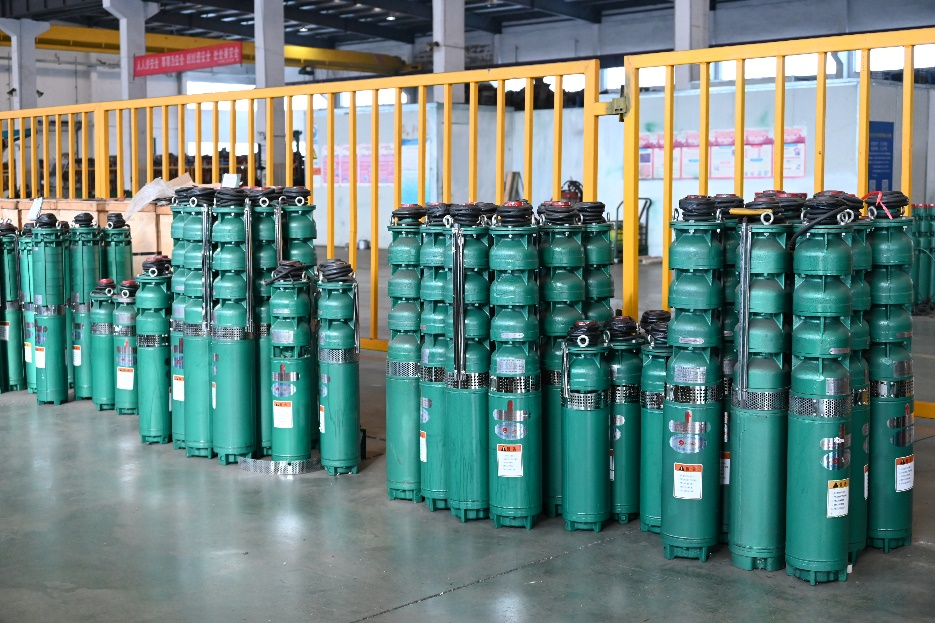
Understanding Major Types of Agricultural Water Pumps
Choosing the right agricultural water pump begins with recognizing four core designs: centrifugal, submersible, turbine, and booster pumps. These systems address diverse irrigation demands, from shallow well extraction to high-pressure distribution across expansive fields.
Common classifications: Centrifugal, submersible, turbine, and booster pumps
In agriculture, centrifugal pumps are the go to option for moving water around because they have those spinning parts inside that push water along pretty well from places like rivers and reservoirs on the surface. When it comes to getting water out of underground sources deeper than about 25 feet, farmers rely on submersible pumps which work best when completely underwater. These kinds of pumps are actually essential for drip irrigation systems in dry areas where water is scarce. For situations requiring lots of water pulled up from really deep wells, turbine pumps do the job nicely. And then there are booster pumps that help keep everything running smoothly by maintaining consistent pressure throughout big drip network setups. A recent look at irrigation pump usage data from 2023 shows that roughly 60 percent of all row crop irrigation systems across the United States still depend primarily on either centrifugal or submersible pump technology.
Dynamic vs. positive displacement pumps in agricultural applications
Dynamic pumps (centrifugal, turbine) accelerate water through velocity, ideal for high-flow scenarios like flood irrigation. Positive displacement pumps (diaphragm, piston) trap fixed water volumes, delivering precise pressure control for fertigation or orchard micro-sprinklers.
| Pump Type | Flow Range | Pressure Output | Energy Efficiency |
|---|---|---|---|
| Dynamic | 100–5,000 GPM | 15–150 PSI | 70–85% |
| Positive Displacement | 5–500 GPM | 50–3,000 PSI | 60–75% |
Farmers prioritize dynamic pumps for cost-effective water delivery to field crops, reserving positive displacement systems for specialty operations requiring exact fluid management.
Centrifugal Pumps for Surface Water and Shallow Well Irrigation
How Centrifugal Pumps Work and Their Role in Farm Water Systems
Centrifugal pumps work by spinning impellers that turn kinetic energy into actual water pressure, which makes them great for moving big amounts of water from places like ponds, rivers, and shallow wells that aren't deeper than about 20 feet. Farmers love these pumps for agriculture because they're straightforward to operate and can handle various tasks. Around three out of four surface water irrigation projects actually rely on centrifugal pump designs according to industry data. What really stands out is how fast these pumps can push water through at over 200 gallons per minute. This speed matters a lot when distributing water across farmland, especially important for those who use sprinklers or flood irrigation methods where timing is everything.
End-Suction vs. Split-Case Designs: Best Uses in Agriculture
End suction pumps work really well for those smaller or medium sized farms that don't need massive amounts of water day after day. They're pretty budget friendly when it comes to setting them up and keeping them running smoothly over time. Then there are split case designs which handle much bigger volumes and last longer too. These tend to be the go to choice for bigger farming operations where the pumps need to run non stop throughout harvest seasons. Most farmers who care about getting things fixed quickly without breaking the bank opt for split case models because they can swap out parts easily without tearing everything apart just to replace one faulty component.
Performance Factors: Flow Rate, Pressure, and Efficiency for Irrigation
Three metrics determine pump suitability:
- Flow rate: Must match crop water needs (e.g., maize requires 18–22 inches per growing season)
- Pressure: 40–60 PSI for sprinklers, 15–30 PSI for drip systems
- Efficiency: Modern designs with variable frequency drives reduce energy use by up to 30% compared to fixed-speed models.
Case Study: Centrifugal Pump Use on a 50-Hectare Maize Farm
A corn farmer from Iowa saw his crop yields jump around 20 percent when he swapped out his old turbine system for a modern high efficiency centrifugal pump last season. The upgraded equipment now moves water at 180 gallons per minute under 50 pounds per square inch pressure, which makes all the difference for keeping fields evenly moist on those hilly plots that used to dry out unevenly. And there's another bonus too - energy bills dropped by about two thousand dollars each year according to AgriTech Solutions report from 2023. Farmers elsewhere are seeing similar results too. Industry research indicates these centrifugal pumps tend to save roughly 15% on water usage compared to traditional methods when applied to surface irrigation systems.
Submersible Pumps for Deep Wells and Precision Irrigation Systems
Accessing deep groundwater: Why submersible pumps are essential
Submersible pumps for agriculture sit right inside the water source itself, which makes them absolutely necessary when trying to get groundwater out of wells deeper than 100 feet something regular surface pumps just can't handle. These pumps have a sealed construction that stops cavitation problems, which often plague shallow pumps when they try to pull water from really deep down. Plus, they can move around 300 gallons per minute, which is pretty impressive for underground work. Most top brands are putting their submersibles together with stainless steel parts and other materials that resist rust and wear, so they keep working even when there's sand or minerals floating around in the well water. Farmers who deal with tough water conditions know how important this durability factor really is.
Integration with drip and sprinkler irrigation setups
Submersible pumps maintain pretty steady pressure levels around ±2 PSI, which works really well for both drip and sprinkler systems. The stable pressure helps spread water evenly over hilly ground, cutting down on wasted water. Some tests show this can actually reduce runoff by about 18% when compared against older gravity fed systems. These pumps also work great with those smart controllers connected to the internet. Farmers can match their pump settings to what's happening in the soil right now based on moisture readings. Dripworks did some research on this topic recently, and they found these features make a big difference in how efficiently water gets used in fields.
Energy efficiency, reliability, and maintenance challenges
Submersible pumps can reach around 80% energy efficiency when everything works just right, which is actually 30 percentage points better than those old fashioned jet pumps. But there's a catch with all those parts sitting underwater needing special care. According to some recent field studies from last year, nearly 6 out of 10 deep well systems ended up needing expert help after only five years because of dirt buildup getting stuck in the impeller blades. The good news though? Manufacturers have been making real progress lately. Things like bearings coated with epoxy resin and plumbing connections that snap together quickly have cut down on repair bills by about $1,200 per system compared to what people were paying back in 2018.
Turbine and Booster Pumps for Large-Scale Agricultural Operations
Vertical Turbine Pumps for High-Volume Well Extraction
Vertical turbine pumps are really good at pulling big amounts of water out of those deep wells we see around here, usually going down anywhere between fifty to over a thousand feet. What makes these pumps work so well is their multi stage impeller setup, which basically means they can lift water much higher without losing too much power. That's why farmers with properties larger than 100 acres tend to go for them when setting up irrigation systems. Some studies done recently on optimizing irrigation showed something interesting too: these turbine pumps actually move about 15 to maybe even 30 percent more water compared to regular old submersible pumps in similar situations. Plus, they use roughly twenty percent less energy for every acre foot of water moved. Makes sense when thinking about long term costs and efficiency.
Booster Pumps to Maintain Consistent Pressure Across Vast Fields
Booster pumps address pressure drops in irrigation networks spanning over ½ mile or serving multiple elevation zones. These systems prevent uneven watering in hilly terrain or fields with complex layouts. Modern variable-speed models automatically adjust output to match real-time demand, reducing energy use by up to 40% compared to fixed-speed pumps.
Matching Pump Type to Water Source: Wells, Rivers, and Reservoirs
- Deep wells (>50 ft): Vertical turbine pumps with corrosion-resistant stainless steel bowls
- Shallow surface water: Axial flow pumps (for rivers) or end-suction centrifugal pumps (for reservoirs)
- Hybrid systems: Booster pumps paired with main pumps to maintain 45–65 PSI across mixed terrains
Farmers should conduct quarterly water source evaluations, as shifting groundwater levels or sedimentation can alter pump performance requirements.
How to Select the Right Agricultural Water Pump for Your Farm
Selecting the optimal agricultural water pump requires balancing technical specifications with farm-specific variables. Three critical evaluation areas determine irrigation efficiency and operational costs.
Assessing farm size, crop water needs, and irrigation schedule
What crops are growing makes all the difference when it comes to water needs. For instance, rice paddies typically require 30 to 50 percent more water flow than vineyards do. And then there's the whole issue with irrigation systems themselves. Drip irrigation setups work best with careful pressure management around 8 to 15 psi, whereas traditional flood methods don't have such strict requirements. Farmers who install pumps that are too big end up spending between $120 and $180 extra each year just on electricity alone. That kind of money adds up fast across multiple acres. Proper planning matters here. Getting accurate flow calculations right depends on knowing exactly how many hectares are planted and what the average daily watering schedule looks like for each field.
Evaluating compatibility between pump types and water sources
Match pump designs to water access challenges:
- Shallow wells/surface water: End-suction centrifugal pumps handling 100-500 GPM
- Deep aquifers (>25 meters): 4-inch submersible pumps with stainless steel shafts
- Sloped terrain: Booster pumps maintaining 40-60 psi across elevation changes
Precision irrigation systems like drip networks achieve 90-95% efficiency when paired with pressure-compensated submersible models, according to 2025 irrigation studies.
Balancing upfront cost, energy consumption, and long-term durability
While diesel pumps cost 40% less upfront than solar alternatives, photovoltaic systems reduce energy expenses by 60-70% over 5 years. Composite materials in modern pumps extend service life by 3-5 years in brackish water compared to cast iron, justifying their 20-25% price premium through reduced maintenance.
FAQ
What are the main types of agricultural water pumps? The four main types of agricultural water pumps are centrifugal, submersible, turbine, and booster pumps.
Why are centrifugal pumps preferred for surface water irrigation? Centrifugal pumps are preferred for surface water irrigation because they are easy to operate, can handle large volumes of water, and are suitable for various irrigation tasks.
What makes submersible pumps essential for deep wells? Submersible pumps are essential for deep wells because they can reach greater depths than conventional surface pumps and have a sealed construction to prevent cavitation.
How do booster pumps help in large-scale agricultural operations? Booster pumps help maintain consistent pressure in irrigation networks with multiple zones or elevations, preventing uneven watering and optimizing energy use.
Table of Contents
- Understanding Major Types of Agricultural Water Pumps
- Centrifugal Pumps for Surface Water and Shallow Well Irrigation
- Submersible Pumps for Deep Wells and Precision Irrigation Systems
- Turbine and Booster Pumps for Large-Scale Agricultural Operations
- How to Select the Right Agricultural Water Pump for Your Farm
- FAQ