 EN
EN



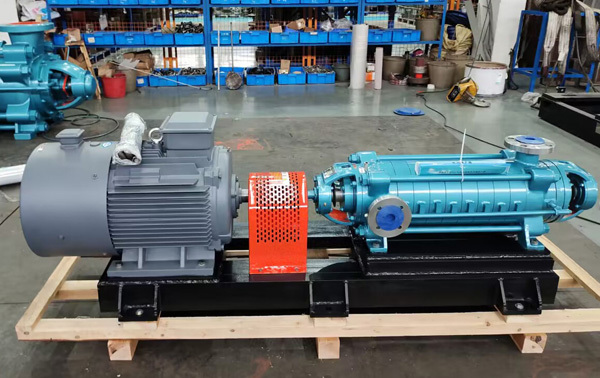
Superior Efficiency and Energy Savings in Horizontal Centrifugal Pumps
How Horizontal Centrifugal Pumps Achieve Energy-Efficient Fluid Transfer
Horizontal centrifugal pumps are pretty efficient when it comes to energy usage because their design works to cut down on things like turbulence and those annoying recirculation losses we all hate. The impellers spin around and actually manage to turn that spinning motion into useful fluid pressure at rates above 85% according to some research published in the ASME Journal of Fluids Engineering last year. What makes these pumps stand out is how smooth the flow path is inside them. This means there's less friction going on compared with vertical pumps or those old fashioned positive displacement types. We've seen this make a big difference in places where lots of fluid needs moving quickly through pipelines.
Energy Consumption Comparison: Horizontal vs. Vertical and Positive Displacement Pumps
A 2024 DOE-funded study revealed horizontal centrifugal pumps consume 18–22% less energy than vertical models when handling fluids below 150°C. In water treatment operations at flow rates above 2,000 GPM, they require 30% less power than positive displacement pumps. Key factors include:
- Reduced axial thrust losses due to horizontal shaft orientation
- Lower sensitivity to viscosity changes in turbulent flow
- Wider best efficiency point (BEP) ranges for variable demand
Case Study: 27% Reduction in Power Usage at a Chemical Processing Plant
A Midwestern chemical plant cut cooling system energy use by 27% after replacing aging vertical pumps with modern horizontal centrifugal units. The retrofit improved both performance and reliability:
| Parameter | Before Retrofit | After Retrofit |
|---|---|---|
| Flow Rate | 1,800 GPM | 1,950 GPM |
| Power Draw | 215 kW | 157 kW |
| MTBF | 6,200 hours | 8,500 hours |
These gains resulted from reduced cavitation and elimination of vertical shaft alignment issues.
Optimizing Performance with Variable Frequency Drives (VFDs) and Impeller Design
Pairing horizontal centrifugal pumps with VFDs delivers an additional 12–15% energy savings by aligning output with real-time demand. Modern enhancements include:
- Trimmed impellers, which improve efficiency by 6–8% versus oversized designs
- CFD-optimized vane angles for smoother flow dynamics
- Polymer-coated surfaces that reduce friction losses by 4.3% (ASHRAE 2023)
Together, these features enable >80% efficiency across 90–110% of BEP, outperforming most vertical and positive displacement alternatives under typical industrial conditions.
Robust Durability and Reduced Maintenance Costs
The horizontal centrifugal pump design tends to last much longer because manufacturers use forged steel shafts along with those triple layer casings that can handle constant pressure at around 150 psi. When looking at real world performance across oil pipelines, these pumps actually spend about 40 percent less time offline than their vertical turbine counterparts. Mechanical seals have gotten better too, cutting down how often they need replacing when dealing with gritty slurries according to Pump Systems Analysis from last year (something we've seen ourselves on several projects). Sure, the upfront price tag might be 15 to 20% more expensive than standard models, but maintenance crews tell us that over seven years, total operating expenses drop by roughly 22%. Why? Fewer parts needing replacement and those seal cartridges swapping out in less than half an hour makes all the difference. And don't forget about those new condition monitoring systems either. They're pretty good at spotting potential bearing issues before they cause problems, with about 92% accuracy rate. This early warning system cuts unexpected shutdowns by nearly three quarters in power plants where reliability matters most.
High Flow Rates and Reliable Pressure Performance
Engineering Behind High-Capacity Fluid Transport in Horizontal Centrifugal Pump Systems
Horizontal centrifugal pumps use rotating impellers to generate sustained fluid momentum, supporting flows exceeding 5,000 GPM in industrial applications. The volute casing efficiently converts kinetic energy into pressure, making these pumps ideal for power plant cooling and large-scale water distribution networks where throughput is critical.
Real-World Performance: 5,000 GPM at 300 PSI in Power Plant Cooling Applications
In a recent combined-cycle power plant deployment, a horizontal centrifugal pump maintained 5,000 GPM at 300 PSI during peak cooling operations. This performance stems from optimized impeller diameters (18"–24") and precision-machined wear rings that minimize internal recirculation.
Comparison With Submersible and Inline Pumps Under High-Demand Conditions
Submersible pumps face size limitations that restrict performance beyond 2,500 GPM, while horizontal centrifugal models achieve 2–3× higher flow rates using axial suction configurations. Inline pumps require 15–20% more energy to sustain equivalent pressures, as demonstrated in a 2023 fluid dynamics study of 100 matched installations.
Multi-Stage Configurations for Meeting Elevated Pressure Requirements
For demands exceeding 500 PSI, multi-stage horizontal centrifugal pumps connect impellers in series—each adding 150–200 PSI. This modular design excels in fire suppression and pipeline boosting, where consistent high-pressure delivery justifies upfront investment.
Simplified Installation and Maintenance Accessibility
Compact Footprint and Space-Saving Benefits in Retrofit and Constrained Sites
Horizontal centrifugal pumps occupy 35% less floor space than vertical models due to their low-profile design. This advantage is crucial in retrofits where existing piping limits equipment placement. Municipal water treatment facilities report faster integration, with some achieving 50% quicker upgrades (Fluid Handling Quarterly 2023).
Real-World Example: 30% Faster Installation in Municipal Water Treatment Plants
A Midwestern water district upgraded to 1,200 GPM capacity in 11 weeks—four weeks faster than vertical pump installations—by using standardized mounting bases and inline connections. Engineers avoided costly concrete modifications by aligning the horizontal unit directly with existing 8-inch discharge headers.
Top-Access Design Enabling Easier Servicing Without Full Disassembly
Maintenance crews access bearings and seals via 360° service panels without disconnecting piping. Six inspection ports allow real-time seal monitoring during operation, cutting annual downtime by 18–22 hours per unit in wastewater applications.
Wide Range of Industrial Applications and Fluid Compatibility
Handling Corrosive, Abrasive, and Viscous Fluids with Specialized Materials
Horizontal centrifugal pumps transport challenging media using engineered material pairings. Hardened alloys reduce wear by 62% in slurry services compared to standard cast iron (Industrial Materials Report, 2024). Common configurations include:
- Stainless steel 316L for acidic fluids (pH 1.5–12)
- Rubber-lined impellers capable of handling solids up to 25mm
- Ceramic-coated shafts resistant to abrasion at flow velocities up to 15m/s
Case Study: Slurry Transport in Mining Using Hardened Alloy Pumps
A Chilean copper mine achieved 18,000 operational hours between overhauls after switching to tungsten carbide-lined horizontal centrifugal pumps. The new system handled 35% solids concentration while maintaining 92% efficiency—extending lifespan 3.5× over previous vertical pumps.
Adaptability in Chemical Processing with Corrosion-Resistant Linings
Polypropylene-lined pumps retained 99.8% of their weight after exposure to concentrated sulfuric acid at 80°C in 2024 corrosion trials. This resilience extends to PTFE seals for solvents and Hastelloy C-276 constructions in chlorine dioxide environments.
Key Roles in Oil & Gas, Power Generation, and Water Treatment Systems
The technology’s versatility is reflected in cross-industry adoption:
| Industry | Flow Range | Pressure Capability | Temperature Tolerance |
|---|---|---|---|
| Oil Refining | 800–12,000 GPM | 650 PSI | -40°C to 450°C |
| Power Plants | 2,000–25,000 GPM | 450 PSI | 5°C to 200°C |
| Wastewater | 500–8,000 GPM | 150 PSI | 0°C to 80°C |
This operational flexibility, combined with compliance to API 610 and ISO 5199 standards, establishes horizontal centrifugal pumps as universal workhorses for industrial fluid transfer.
FAQ: Horizontal Centrifugal Pumps
What are the advantages of horizontal centrifugal pumps over other types?
Horizontal centrifugal pumps offer superior energy efficiency, reduced maintenance costs, and robust durability compared to vertical and positive displacement pumps. They are ideal for high-flow and high-pressure applications in various industries.
Can horizontal centrifugal pumps handle corrosive and abrasive fluids?
Yes, these pumps can transport challenging media using specialized materials like stainless steel, rubber-lined impellers, and ceramic-coated shafts. This allows them to handle acidic, abrasive, and viscous fluids effectively.
How does the installation of horizontal centrifugal pumps impact existing systems?
Horizontal centrifugal pumps have a compact footprint and top-access design, simplifying installation and servicing without requiring full disassembly. This makes them suitable for retrofits and sites with space constraints.
Table of Contents
-
Superior Efficiency and Energy Savings in Horizontal Centrifugal Pumps
- How Horizontal Centrifugal Pumps Achieve Energy-Efficient Fluid Transfer
- Energy Consumption Comparison: Horizontal vs. Vertical and Positive Displacement Pumps
- Case Study: 27% Reduction in Power Usage at a Chemical Processing Plant
- Optimizing Performance with Variable Frequency Drives (VFDs) and Impeller Design
- Robust Durability and Reduced Maintenance Costs
-
High Flow Rates and Reliable Pressure Performance
- Engineering Behind High-Capacity Fluid Transport in Horizontal Centrifugal Pump Systems
- Real-World Performance: 5,000 GPM at 300 PSI in Power Plant Cooling Applications
- Comparison With Submersible and Inline Pumps Under High-Demand Conditions
- Multi-Stage Configurations for Meeting Elevated Pressure Requirements
- Simplified Installation and Maintenance Accessibility
- Wide Range of Industrial Applications and Fluid Compatibility
- FAQ: Horizontal Centrifugal Pumps